
A single wrongful termination lawsuit can cost a home health agency between $75,000 and $250,000 in legal fees and settlements, even when the agency has done nothing wrong. For an industry defined by high staff turnover, decentralized workforces, and constant hiring cycles, the exposure to
employment-related claims is not hypothetical: it is a near certainty over the life of any growing operation.
Employment practices liability insurance (EPLI) exists to protect
home health agencies from the financial consequences of claims involving caregiver hiring disputes, harassment allegations, retaliation, wage and hour violations, and wrongful termination. Without this coverage, a single disgruntled employee's complaint can threaten the viability of your entire business. The challenge is that most standard business insurance policies do not cover employment-related claims, leaving a gap that many agency owners do not recognize until a demand letter arrives. Understanding how EPLI works, what it covers, and why home health agencies face elevated risk is essential for any owner or administrator who wants to protect both their workforce and their bottom line.
Understanding EPLI in the Home Health Context
EPLI is a specialized form of coverage designed to pay for defense costs, settlements, and judgments arising from claims made by employees, former employees, and sometimes job applicants. For home health agencies, this coverage addresses a broad spectrum of allegations: discrimination in hiring, sexual harassment, wrongful termination, retaliation against whistleblowers, and violations of wage and hour laws. The policy typically covers both the agency as an entity and its individual owners, directors, officers, and managers.
Why Home Health Agencies Face Unique Risks
Home health agencies operate under conditions that multiply employment risk. Caregivers work alone in private homes, far from supervisors, which creates environments where harassment can occur without witnesses and where documentation of work hours becomes difficult. The workforce itself tends to be predominantly female, often from immigrant communities, and frequently employed on part-time or variable schedules. These factors increase the likelihood of discrimination, wage theft, and harassment claims. Regulatory scrutiny has also intensified: the Department of Labor has issued new guidance affecting wage protections for home care workers, creating additional compliance obligations that many smaller agencies struggle to meet.
Common Claims: From Hiring to Termination
The most frequent EPLI claims filed against home health agencies fall into predictable categories. Discrimination claims arise during hiring when agencies screen candidates based on language ability, physical capacity, or background checks in ways that disproportionately affect protected groups. One home care agency was required to pay $400,000 to settle EEOC allegations of race and national origin discrimination in its hiring and assignment practices. Wrongful termination claims follow when caregivers are let go without proper documentation. Wage disputes, particularly around travel time between client homes and overtime calculations, round out the most common claim types.

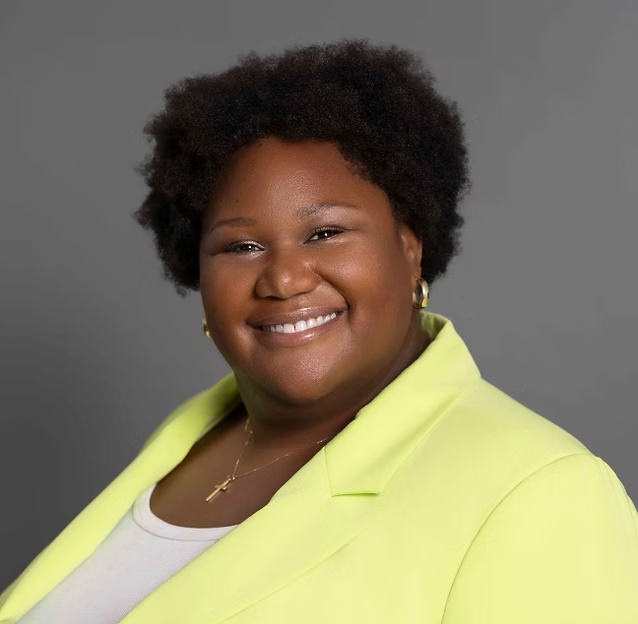
By: Venee Galloway, CPCU, CBIA, CLCS, SBCS
Director of Commercial Insurance
Managing Caregiver Hiring and Turnover Risks
Hiring and termination are the two moments of greatest legal exposure for any employer, and home health agencies cycle through both at an extraordinary rate. Annual turnover in the home care industry routinely exceeds 60 percent, meaning your agency is likely conducting dozens or hundreds of hiring and separation events each year, each one a potential trigger for an employment claim.
Avoiding Discrimination in the Recruitment Process
Your hiring process should be built on consistent, documented criteria applied equally to every applicant. Job descriptions must reflect genuine occupational qualifications rather than preferences that could be interpreted as discriminatory. Background check policies require particular care: blanket disqualifications based on criminal history can violate EEOC guidance and state fair-chance hiring laws. Virginia employers should ensure that any background screening criteria are directly related to the job duties and applied uniformly. Every interview should use standardized questions, and rejection decisions should be documented with specific, job-related reasons.
Addressing High Turnover and Wrongful Termination Claims
High turnover means high termination volume, and each separation is a potential wrongful termination claim. The best defense is a paper trail. Progressive discipline policies, documented performance reviews, and clear written expectations give your agency evidence to demonstrate that a termination was based on legitimate business reasons. At-will employment status, while applicable in Virginia, does not protect you from claims that the real reason for termination was discriminatory or retaliatory. Exit interviews, when conducted properly, can also identify brewing complaints before they become formal charges.
Protecting Against Harassment and Retaliation Claims
Harassment claims in home health settings present a unique challenge because the alleged harasser is often not a coworker but a patient or a patient's family member. Standard workplace anti-harassment policies may not account for these interactions, and many agencies fail to train caregivers on how to report inappropriate behavior from clients.
Third-Party Coverage for Patient-Caregiver Interactions
Not all EPLI policies cover third-party harassment claims, so this is a critical distinction when selecting coverage. Third-party coverage protects your agency when a caregiver alleges that you failed to address harassment by a patient, a patient's family member, or another non-employee. Given that caregivers work alone in private residences, staffing agencies and home care providers face elevated third-party harassment exposure that standard employment policies may not address. You should confirm with your insurance provider that your EPLI policy includes third-party claims, and you should establish clear protocols for caregivers to report client misconduct without fear of losing assignments.
The Legal Impact of Retaliation Allegations
Retaliation claims have become the single most common charge filed with the EEOC, and they are particularly dangerous because they can be layered on top of any other complaint. A caregiver who reports harassment, files a wage complaint, or raises a safety concern is protected from adverse employment actions. If that caregiver is subsequently terminated, reassigned, or given fewer hours, the agency faces a retaliation claim regardless of whether the original complaint had merit. Your EPLI policy should explicitly cover retaliation claims, and your supervisors need training on how to handle employees who have engaged in protected activity.

Wage and hour claims represent one of the fastest-growing areas of employment litigation for home health agencies, driven by complex rules around travel time, overtime, and live-in caregiver exemptions. The financial stakes can be enormous. A federal judge granted preliminary approval for a $162 million settlement in July 2026 to benefit 200,000 home care workers in a single wage theft case, illustrating the scale of exposure in this industry.
Travel Time and Overtime Miscalculations
The most common wage violations in home health involve travel time between client homes and overtime calculations for caregivers who work split shifts or serve multiple clients in a single day. Federal regulations generally require that travel time between job sites during the workday be compensated, but many agencies either fail to track this time or exclude it from payroll calculations. The Department of Labor has
proposed rules specifically addressing home care provider wage obligations, and enforcement actions have
targeted agencies that misclassify workers or fail to pay required overtime. Your payroll systems should capture all compensable time, including travel, training, and mandatory meetings, and your EPLI policy should cover wage and hour defense costs.
Comparing Coverage: General Liability vs. EPLI
Many home health agency owners assume their general liability or professional liability policy covers employment disputes. It does not. General liability policies cover bodily injury and property damage claims from third parties. Professional liability covers errors in the delivery of care. Neither covers claims made by your own employees about how they were hired, managed, paid, or terminated.
Comparison Table: Coverage Scope and Limits
| Coverage Area | General Liability | EPLI |
|---|---|---|
| Bodily injury to clients | Covered | Not covered |
| Property damage at client homes | Covered | Not covered |
| Wrongful termination claims | Not covered | Covered |
| Harassment allegations | Not covered | Covered |
| Wage and hour disputes | Not covered | Covered (varies by policy) |
| Retaliation claims | Not covered | Covered |
| Hiring discrimination | Not covered | Covered |
| Third-party harassment | Not covered | Covered (if endorsed) |
| Defense costs | Only for covered claims | Included for employment claims |
| Typical limits | $1M/$2M | $500K to $5M |
This table makes clear that EPLI fills a gap no other policy addresses. An independent agency like ABP Insurance Agency, Inc. can compare EPLI options across more than 25 carriers to find a policy that matches your agency's size, claims history, and specific risk profile. With over 150 years of combined staff experience, ABP Insurance Agency, Inc. can also identify whether your current policies contain exclusions that leave you exposed.
Common Questions About Home Health EPLI
Does EPLI cover claims from independent contractors? Most EPLI policies cover claims from individuals who allege they were misclassified as independent contractors when they should have been treated as employees. This is a significant exposure for home health agencies that use 1099 workers.
Are defense costs included within the policy limits or paid separately? This varies by carrier. Some policies pay defense costs within the coverage limit, which reduces the amount available for settlements. Others pay defense costs outside the limit. You should clarify this before purchasing.
Can a single caregiver's complaint really threaten my agency financially? Yes. EEOC complaints, even those that lack merit, can cost $50,000 to $150,000 to defend. A class action wage claim can reach millions. EPLI exists specifically to absorb these costs.
Do I need EPLI if I only have a few employees? Virginia requires workers' compensation insurance for businesses with three or more employees, but EPLI is not mandated by law. That said, agencies with even a small staff face hiring, termination, and wage claims. The smaller your agency, the more devastating a single lawsuit can be to your finances.
Does EPLI cover claims arising from social media posts by employees? Many modern EPLI policies include coverage for claims related to defamation, invasion of privacy, and other torts that can arise from social media activity, but you should verify this with your carrier.
Making the Right Choice for Your Agency
Employment practices liability insurance is not a luxury for home health agencies: it is a financial necessity given the industry's high turnover, decentralized workforce, and exposure to wage, harassment, and discrimination claims. The right EPLI policy protects your agency from defense costs, settlements, and judgments that could otherwise consume your operating capital. When evaluating policies, pay close attention to whether third-party harassment is covered, whether wage and hour claims are included, and whether defense costs erode your coverage limits.
If your agency serves diverse communities, working with a provider that understands your operational realities makes a meaningful difference. ABP Insurance Agency, Inc., backed by 120+ five-star Google reviews and multilingual agents fluent in nine languages including Spanish, Vietnamese, Korean, and Mandarin, can help you compare EPLI options across dozens of carriers to find coverage tailored to your home health operation.
Get in touch for a free consultation to review your current exposure and identify the right policy for your agency's needs.
Our Reviews
Trusted Advice, Proven Results
See what our clients have to say about their experience working with us, or share feedback about your experience.

PERSONAL INSURANCE
Protect What Matters Most
Home, auto, and life coverage at competitive rates from 25+ carriers.
Home Insurance
Covers your home and belongings from events like fire, theft, or storms. Ensures peace of mind with clear, reliable coverage for houses, condos, apartments, and rentals
Auto Insurance
Covers vehicle repairs, liability, and medical costs from accidents. Protects you and your car with easy-to-understand policies that meet Virginia requirements.
Umbrella Insurance
Provides extra liability coverage beyond home and auto policies. Adds protection for unexpected situations that exceed your standard policy limits.
Renters Insurance
Covers your personal belongings and provides liability protection if you rent your home. Replaces items damaged by fire, theft, or water at a low monthly cost.
Condo Insurance
Fills the coverage gaps your HOA master policy leaves open. Protects your unit's interior, personal property, and liability from covered losses.
Classic & Specialty Vehicles
Coverage for classic cars, motorcycles, ATVs, boats, and RVs. We partner with specialty carriers like Hagerty to protect vehicles that standard auto policies do not cover.
BUSINESS INSURANCE
Secure What You've Built
Coverage solutions for growing companies backed by decades of commercial experience.






INDUSTRIES WE SERVE
Virginia's Businesses We Protect
Insurance solutions to help Virginia businesses protect their assets, employees, and operations.



FAQs
Your Questions, Answered
Explore our FAQs to get answers to some of the most common questions about our insurance solutions and services.
What languages do your agents speak?
We have agents who are fluent in Spanish, Vietnamese, Mandarin, Cantonese, Korean, Hindi, Urdu, and Punjabi. If you prefer a language other than English, just let us know!
Who do you typically work with?
We work with clients at all stages of life—from young professionals and growing families to high-net-worth individuals and retirees. We work with both small and large companies. No matter where you are on your journey, we can provide insurance solutions that align with your needs.
How do I get started?
It’s easy! Simply click here to get started. From there you will be able to seamlessly transfer your current coverage information to us or answer a few questions and one of our agents will be in touch.
How do you charge for your services?
We never charge fees for our service. As independent agents, we are paid by the insurance company after the policies you select are issued. Our compensation is a small percentage of the policy premium.
What makes ABP Insurance different from other insurance providers?
ABP Insurance is an independent agency. We work with over 25 insurance carriers to find the best coverage and rates for your needs. We do not represent a single company — we represent you. Our team also speaks nine languages, making us one of the most accessible agencies in Northern Virginia. We combine modern technology with personal service so clients get fast quotes, clear explanations, and ongoing support throughout their policy term.
What areas does ABP Insurance serve?
Our office is in Falls Church, Virginia, and we serve clients throughout Northern Virginia, the greater D.C. metro area, and beyond. We currently write policies in Virginia, Maryland, Washington D.C., Massachusetts, New Hampshire, Maine, Georgia, Texas, and North Carolina. Because we work with many of the largest national carriers, we can often help clients who own property in multiple states or who are relocating.
Contact Us
Phone Number:
703-846-0558
Email Address:
info@abpinsurance.com
Located at: 8315 US-29 Ste 215, Fairfax, VA 22031, United States
In-Person by Appointment Only