
Filling a prescription at your local Virginia pharmacy should feel straightforward, yet the reality of coverage, costs, and requirements can quickly become overwhelming without proper guidance. Residents across the Commonwealth face a complex web of insurance options, formulary restrictions, and out-of-pocket expenses that vary dramatically depending on their coverage type and individual circumstances. Understanding pharmacy insurance in Virginia requires examining everything from private plan structures to government-assisted programs, and knowing how these elements interact can save you hundreds or even thousands of dollars annually. The average Virginian spends approximately $1,200 per year on prescription medications, though this figure fluctuates widely based on age, health conditions, and insurance coverage quality. Whether you are a young professional selecting your first employer-sponsored plan, a family navigating coverage for multiple members, or a senior comparing Medicare Part D options, the decisions you make about pharmacy benefits directly impact both your health outcomes and your financial stability. This guide breaks down the essential components of prescription drug coverage in Virginia, providing practical strategies for managing costs while ensuring you receive the medications you need.
Overview of Prescription Drug Coverage in Virginia
Prescription drug coverage in Virginia operates through multiple channels, each with distinct advantages, limitations, and regulatory frameworks that affect how you access and pay for medications. The Commonwealth maintains specific requirements for insurers operating within its borders, ensuring baseline protections for consumers while allowing flexibility in plan design and pricing structures.
Private vs. Public Insurance Options
Private insurance plans, including employer-sponsored coverage and individual marketplace policies, typically offer pharmacy benefits as part of comprehensive health insurance packages. These plans must comply with Virginia's insurance regulations and often provide tiered formularies that categorize medications by cost and coverage level. Public insurance options include Virginia Medicaid for qualifying low-income residents, the Family Access to Medical Insurance Security (FAMIS) program for children, and Medicare Part D for individuals aged 65 and older or those with qualifying disabilities. Each pathway presents different enrollment requirements, coverage structures, and cost-sharing arrangements that you must evaluate based on your specific circumstances.
The Role of the Virginia Bureau of Insurance
The Virginia Bureau of Insurance serves as the primary regulatory body overseeing insurance companies operating within the state, including those providing pharmacy benefits. This agency reviews policy forms, investigates consumer complaints, and ensures insurers comply with state laws regarding coverage requirements and claims processing. If you encounter disputes with your insurance provider regarding prescription coverage denials or reimbursement issues, the Bureau provides resources for filing formal complaints and seeking resolution.

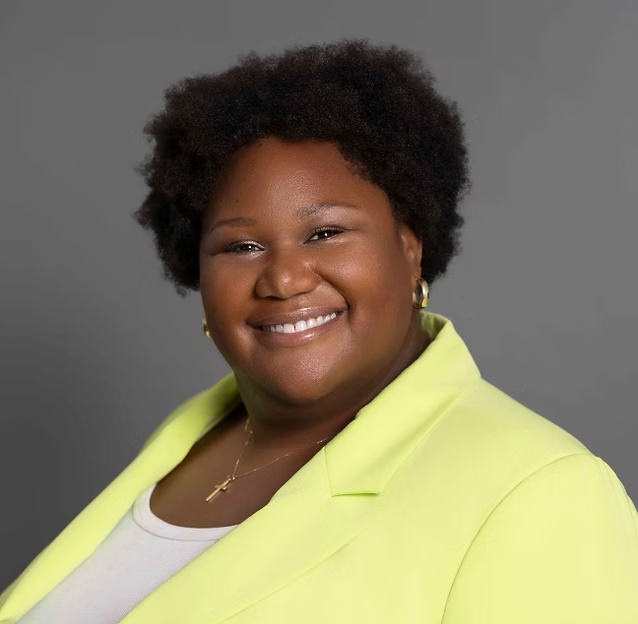
By: Venee Galloway, CPCU, CBIA, CLCS, SBCS
Director of Commercial Insurance
Understanding Pharmacy Benefit Tiers and Formularies
Insurance formularies function as approved medication lists that determine which drugs your plan covers and at what cost level, making them essential documents for understanding your actual out-of-pocket expenses.
Generic vs. Brand-Name Cost Structures
Most Virginia insurance plans organize medications into three to five tiers, with generic drugs occupying the lowest-cost tier and specialty medications commanding the highest out-of-pocket expenses. Generic medications typically cost between $5 and $20 per prescription under most plans, while brand-name equivalents may require co-payments of $30 to $75 or more. Your plan's formulary dictates these cost structures, and insurers update their formularies annually, meaning a medication covered this year may shift to a higher tier or require prior authorization next year.
Specialty Medication and Prior Authorization
Specialty medications, including biologics and treatments for complex conditions such as rheumatoid arthritis, multiple sclerosis, or certain cancers, often require prior authorization before your insurance will cover them. This process involves your prescribing physician submitting documentation to your insurer demonstrating medical necessity. Prior authorization requests in Virginia must typically receive a response within 72 hours for urgent situations, though standard requests may take up to two weeks. Working with an experienced insurance agent can help you select plans that cover your specific medications with minimal authorization barriers.
Virginia residents encounter significant variation in pharmacy-related costs depending on their insurance type, plan tier, and prescription needs.
| Coverage Type | Average Monthly Premium | Typical Drug Co-pay Range | Annual Out-of-Pocket Maximum |
|---|---|---|---|
| Employer-Sponsored | $125-$250 (employee share) | $10-$75 | $3,000-$8,000 |
| ACA Marketplace Silver | $350-$550 | $15-$100 | $9,100 (2024 limit) |
| Medicare Part D | $35-$100 | $0-$100+ | $8,000 (2024) |
| Virginia Medicaid | $0 | $0-$4 | None |
Deductibles and Co-payment Variations
Many prescription drug plans include separate pharmacy deductibles that you must satisfy before coverage begins, ranging from $0 to $500 or more depending on your plan design. Co-payments represent fixed amounts you pay per prescription, while co-insurance requires you to pay a percentage of the medication's total cost. Understanding whether your plan uses co-payments or co-insurance for different drug tiers helps you anticipate expenses when filling prescriptions.
The 'Donut Hole' and Coverage Gaps
Medicare Part D enrollees face a unique coverage gap commonly called the "donut hole," which occurs after combined spending by you and your plan reaches a certain threshold but before catastrophic coverage begins. Recent federal legislation has reduced the financial impact of this gap, and by 2025, Part D enrollees will pay no more than $2,000 annually for covered medications. Virginia seniors should factor this coverage structure into their plan selection, particularly if they take expensive brand-name or specialty medications.

Government-Assisted Pharmacy Programs in Virginia
Virginia offers several government-sponsored programs designed to help residents access affordable prescription medications, each targeting specific populations with distinct eligibility requirements.
Virginia Medicaid and FAMIS Coverage
Virginia Medicaid provides comprehensive pharmacy benefits to eligible low-income adults, children, pregnant women, and individuals with disabilities, covering most prescription medications with minimal or no co-payments. The FAMIS program extends coverage to children in families earning too much to qualify for Medicaid but unable to afford private insurance, typically covering households earning up to 200% of the federal poverty level. Both programs maintain extensive formularies and require enrollment through the Virginia Department of Medical Assistance Services.
Medicare Part D Options for Seniors
Virginia seniors can choose from dozens of Medicare Part D prescription drug plans, each offering different premium levels, formularies, and pharmacy networks. Open enrollment occurs annually from October 15 through December 7, providing an opportunity to compare plans and switch coverage based on changing medication needs. ABP Insurance Agency, Inc. assists Virginia seniors in comparing Part D options, with multilingual agents available to explain coverage details in Spanish, Vietnamese, Korean, Mandarin, and other languages commonly spoken throughout the Commonwealth.
Factors Influencing Drug Pricing in the Commonwealth
Prescription drug prices in Virginia reflect multiple interconnected factors beyond insurance coverage, including manufacturer pricing decisions, pharmacy benefit manager negotiations, and state regulatory policies. Pharmacy benefit managers, or PBMs, serve as intermediaries between insurers and drug manufacturers, negotiating rebates and discounts that may or may not translate to lower consumer costs. Virginia has enacted legislation requiring greater transparency from PBMs regarding their pricing practices and rebate arrangements. Geographic location also affects pricing, as pharmacies in different regions may negotiate varying reimbursement rates with insurers. Additionally, whether you fill prescriptions at a retail pharmacy, mail-order service, or specialty pharmacy can significantly impact your costs, with mail-order options often providing 90-day supplies at reduced rates compared to monthly retail fills.
Strategies for Reducing Prescription Expenses
Managing prescription costs requires proactive engagement with available resources and strategic decision-making about where and how you fill your medications.
State-Sponsored Discount Cards
Virginia residents can access prescription discount cards through various state and nonprofit programs that provide savings at participating pharmacies regardless of insurance status. These cards work by negotiating group discount rates with pharmacies, sometimes offering prices lower than insurance co-payments for certain medications. The Virginia Rx Card, available free to all Commonwealth residents, provides discounts averaging 20% to 75% off retail prices at most major pharmacy chains.
Utilizing Patient Assistance Programs (PAPs)
Pharmaceutical manufacturers operate patient assistance programs that provide free or reduced-cost medications to individuals meeting income and insurance eligibility requirements. These programs typically require annual applications and income verification, with many serving patients earning up to 400% of the federal poverty level. Your pharmacist or physician can often direct you to relevant PAPs for your specific medications, and nonprofit organizations maintain searchable databases of available programs.
Frequently Asked Questions
How do I know if my medication is covered by my Virginia insurance plan? Your insurer provides a formulary document listing all covered medications and their tier assignments, typically available online through your member portal or by calling customer service directly.
Can I appeal if my insurance denies coverage for a prescribed medication? Yes, Virginia law requires insurers to provide an appeals process for coverage denials, and you have the right to request an external review if internal appeals are unsuccessful.
What happens if I need a prescription filled while traveling outside Virginia? Most insurance plans cover prescriptions filled at out-of-network pharmacies, though you may face higher co-payments or need to submit claims for reimbursement manually.
Are insulin and diabetic supplies subject to special pricing rules in Virginia? Virginia has enacted legislation capping insulin co-payments at $50 per 30-day supply for state-regulated insurance plans, providing significant savings for diabetic residents.
How often can I change my Medicare Part D plan? You may change Part D plans during the annual open enrollment period or during special enrollment periods triggered by qualifying life events such as moving or losing other coverage.
Making Informed Coverage Decisions
Selecting appropriate pharmacy insurance coverage in Virginia requires balancing premium costs against potential out-of-pocket expenses based on your specific medication needs and health circumstances. Reviewing formularies before enrollment, understanding tier structures, and exploring available assistance programs can substantially reduce your annual prescription expenses. For personalized guidance navigating Virginia's pharmacy insurance options, consider speaking with a licensed agent who can compare plans across multiple carriers. ABP Insurance Agency, Inc. offers consultations in nine languages and maintains access to numerous insurance carriers, helping you
find coverage that fits your needs.
Our Reviews
Trusted Advice, Proven Results
See what our clients have to say about their experience working with us, or share feedback about your experience.

PERSONAL INSURANCE
Protect What Matters Most
Home, auto, and life coverage at competitive rates from 25+ carriers.
Home Insurance
Covers your home and belongings from events like fire, theft, or storms. Ensures peace of mind with clear, reliable coverage for houses, condos, apartments, and rentals
Auto Insurance
Covers vehicle repairs, liability, and medical costs from accidents. Protects you and your car with easy-to-understand policies that meet Virginia requirements.
Umbrella Insurance
Provides extra liability coverage beyond home and auto policies. Adds protection for unexpected situations that exceed your standard policy limits.
Renters Insurance
Covers your personal belongings and provides liability protection if you rent your home. Replaces items damaged by fire, theft, or water at a low monthly cost.
Condo Insurance
Fills the coverage gaps your HOA master policy leaves open. Protects your unit's interior, personal property, and liability from covered losses.
Classic & Specialty Vehicles
Coverage for classic cars, motorcycles, ATVs, boats, and RVs. We partner with specialty carriers like Hagerty to protect vehicles that standard auto policies do not cover.
BUSINESS INSURANCE
Secure What You've Built
Coverage solutions for growing companies backed by decades of commercial experience.






INDUSTRIES WE SERVE
Virginia's Businesses We Protect
Insurance solutions to help Virginia businesses protect their assets, employees, and operations.



FAQs
Your Questions, Answered
Explore our FAQs to get answers to some of the most common questions about our insurance solutions and services.
What languages do your agents speak?
We have agents who are fluent in Spanish, Vietnamese, Mandarin, Cantonese, Korean, Hindi, Urdu, and Punjabi. If you prefer a language other than English, just let us know!
Who do you typically work with?
We work with clients at all stages of life—from young professionals and growing families to high-net-worth individuals and retirees. We work with both small and large companies. No matter where you are on your journey, we can provide insurance solutions that align with your needs.
How do I get started?
It’s easy! Simply click here to get started. From there you will be able to seamlessly transfer your current coverage information to us or answer a few questions and one of our agents will be in touch.
How do you charge for your services?
We never charge fees for our service. As independent agents, we are paid by the insurance company after the policies you select are issued. Our compensation is a small percentage of the policy premium.
What makes ABP Insurance different from other insurance providers?
ABP Insurance is an independent agency. We work with over 25 insurance carriers to find the best coverage and rates for your needs. We do not represent a single company — we represent you. Our team also speaks nine languages, making us one of the most accessible agencies in Northern Virginia. We combine modern technology with personal service so clients get fast quotes, clear explanations, and ongoing support throughout their policy term.
What areas does ABP Insurance serve?
Our office is in Falls Church, Virginia, and we serve clients throughout Northern Virginia, the greater D.C. metro area, and beyond. We currently write policies in Virginia, Maryland, Washington D.C., Massachusetts, New Hampshire, Maine, Georgia, Texas, and North Carolina. Because we work with many of the largest national carriers, we can often help clients who own property in multiple states or who are relocating.
Contact Us
Phone Number:
703-846-0558
Email Address:
info@abpinsurance.com
Located at: 8315 US-29 Ste 215, Fairfax, VA 22031, United States
In-Person by Appointment Only