
A single ladder slip on a residential job site can result in medical bills exceeding $50,000, and without proper insurance coverage, that cost comes directly from your business account. Painting contractors in Virginia face a unique combination of risks that extend far beyond the obvious concerns of paint spills and property damage. From lead-based paint exposure in older homes to employee injuries on scaffolding, the potential for financial devastation exists on every project you undertake. Understanding painting contractor insurance in Virginia requires knowledge of state-specific requirements, coverage options, and cost factors that differ significantly from other trades. The Commonwealth maintains strict licensing requirements through the Department of Professional and Occupational Regulation, and your insurance coverage must align with these regulations to remain compliant. Whether you operate as a sole proprietor handling residential touch-ups or manage a crew of twenty completing commercial projects, the right insurance portfolio protects your livelihood, your employees, and your clients. This protection is not merely a regulatory checkbox but rather a fundamental business necessity that determines whether a single claim strengthens or destroys your company.
Essential Insurance Policies for Virginia Painters
Virginia painting contractors require a specific combination of policies to address the varied risks inherent in the trade. The foundation of your coverage begins with general liability but extends into specialized areas that many contractors overlook until a claim occurs.
General Liability for Property Damage and Bodily Injury
General liability insurance serves as the cornerstone of any painting contractor's risk management strategy. This policy responds when your operations cause damage to a client's property or when a third party sustains an injury related to your work. Consider a scenario where your crew accidentally knocks over a ladder that crashes through a homeowner's antique china cabinet, or where a visitor trips over your drop cloths and breaks a wrist. General liability coverage addresses these situations by paying for property repairs, medical expenses, and legal defense costs if a lawsuit follows. Most Virginia contracts, particularly those involving commercial properties or general contractors, require proof of general liability coverage with minimum limits of $1 million per occurrence and $2 million aggregate. Your policy should also include products-completed operations coverage, which protects against claims arising after you have finished a project and left the site.
Virginia Workers' Compensation Requirements
Virginia law mandates workers' compensation insurance for any business employing three or more workers, including part-time and seasonal employees. This coverage pays for medical treatment, rehabilitation, and lost wages when employees suffer work-related injuries or illnesses. Painting contractors face elevated workers' compensation risks due to ladder falls, repetitive motion injuries, and chemical exposure. The Virginia Workers' Compensation Commission oversees compliance, and penalties for operating without required coverage include fines up to $250 per day plus personal liability for all employee injury costs. Even if you employ fewer than three workers, carrying voluntary workers' compensation coverage protects you from potentially devastating out-of-pocket expenses when injuries occur.
Commercial Auto and Inland Marine Coverage
Your vehicles and equipment represent significant investments that require dedicated protection.
Commercial auto insurance covers your trucks, vans, and trailers used for business purposes, including liability for accidents and physical damage to the vehicles themselves. Personal auto policies explicitly exclude business use, meaning any claim arising during work-related driving will be denied. Inland marine insurance protects your tools, sprayers, scaffolding, and other equipment while in transit or stored at job sites. A single theft from your work van could cost thousands to replace, and inland marine coverage ensures you can continue operations without financial hardship.

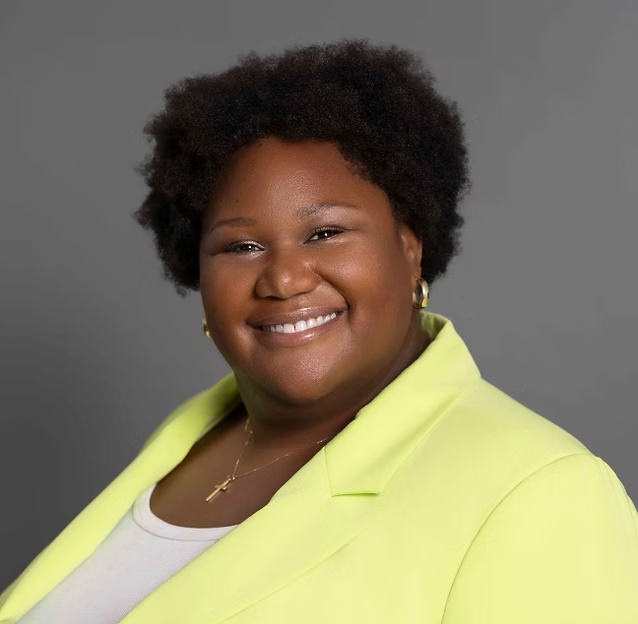
By: Venee Galloway, CPCU, CBIA, CLCS, SBCS
Director of Commercial Insurance
Average Costs for Painting Contractor Insurance in VA
Understanding typical premium ranges helps you budget appropriately and recognize when you are receiving competitive quotes versus overpaying for coverage.
Factors Influencing Your Annual Premiums
Insurance carriers evaluate numerous variables when calculating your premiums. Your claims history carries substantial weight, as contractors with prior claims face higher rates than those with clean records. The types of projects you undertake also matter significantly: residential interior painting presents lower risk than commercial exterior work involving scaffolding and lifts. Your annual revenue and payroll figures determine your exposure level, with higher numbers resulting in higher premiums. Geographic factors within Virginia also influence pricing, as contractors operating in Northern Virginia's competitive market may see different rates than those in rural Southwestern Virginia. Your experience level, safety programs, and employee training documentation can all work in your favor when negotiating rates.
Typical Price Ranges for Small vs. Large Crews
| Coverage Type | Solo/Small Crew (1-3) | Medium Crew (4-10) | Large Crew (11+) |
|---|---|---|---|
| General Liability | $800 - $1,500/year | $1,500 - $3,500/year | $3,500 - $8,000/year |
| Workers' Comp | $2,500 - $5,000/year | $8,000 - $20,000/year | $25,000 - $60,000+/year |
| Commercial Auto | $1,200 - $2,500/year | $3,000 - $7,000/year | $8,000 - $15,000/year |
| Inland Marine | $300 - $600/year | $600 - $1,500/year | $1,500 - $4,000/year |
These ranges represent typical Virginia market conditions, though your specific circumstances may result in higher or lower quotes. ABP Insurance Agency, Inc. works with multiple carriers to compare options and identify the most competitive rates for your particular situation.
State-Specific Licensing and Insurance Compliance
Virginia maintains detailed requirements for contractor licensing that directly affect your insurance obligations.
DPOR Requirements for Class A, B, and C Licenses
The Department of Professional and Occupational Regulation classifies contractor licenses based on project value thresholds. Class C licenses cover projects up to $10,000, Class B licenses cover projects between $10,000 and $120,000, and Class A licenses permit projects of any value. Each license class requires specific documentation, including proof of insurance coverage meeting minimum limits. Class A and B contractors must demonstrate financial responsibility through either a surety bond or equivalent insurance coverage. The application process requires submission of certificates of insurance showing current coverage, and maintaining continuous coverage is mandatory to keep your license active. Lapses in coverage can result in license suspension and the inability to legally perform work in Virginia.
Surety Bonds vs. Liability Insurance
Many contractors confuse
surety bonds with liability insurance, but these products serve entirely different purposes. A surety bond protects your clients by guaranteeing you will fulfill contractual obligations and pay subcontractors and suppliers. If you fail to complete a project or pay your bills, the bond company pays the injured party and then seeks reimbursement from you. Liability insurance, by contrast, protects your business from third-party claims for bodily injury and property damage. Virginia requires either a $50,000 surety bond or equivalent coverage for Class B licenses and a $100,000 bond or equivalent for Class A licenses. Most painting contractors need both a surety bond to meet licensing requirements and liability insurance to protect against operational risks.

Protecting Your Business Against Industry-Specific Risks
Painting contractors face hazards that general business policies may not adequately address without specific endorsements or specialty coverage.
Pollution Liability and Lead-Based Paint Risks
Standard general liability policies contain pollution exclusions that eliminate coverage for claims arising from hazardous materials, including lead-based paint. Given that any Virginia home built before 1978 may contain lead paint, this exclusion creates substantial exposure for painting contractors. EPA regulations under the Renovation, Repair, and Painting Rule require certified renovators to follow specific lead-safe work practices, and violations can result in fines exceeding $37,500 per day. Pollution liability insurance fills the gap left by standard policies, covering cleanup costs, third-party bodily injury claims from lead exposure, and defense costs for regulatory actions. Contractors who work on older properties should consider this coverage essential rather than optional.
Completed Operations and Workmanship Coverage
Your liability exposure does not end when you pack up your equipment and leave a job site. Completed operations coverage, typically included within general liability policies, protects against claims arising after project completion. If paint begins peeling six months after application due to improper surface preparation, or if a client discovers damage you caused that was not immediately apparent, completed operations coverage responds to these claims. Workmanship issues represent a common source of painting contractor claims, making this coverage particularly valuable. Review your policy carefully to confirm completed operations coverage is included and understand any limitations on the time period during which claims remain covered.
How to Secure the Best Rates and Coverage
Strategic decisions about policy structure and risk management practices directly influence your insurance costs and coverage quality.
Bundling Policies with a Business Owner's Policy (BOP)
A Business Owner's Policy combines general liability and commercial property coverage into a single policy, typically at a lower cost than purchasing these coverages separately. Many carriers offer BOP options designed specifically for contractors that include valuable endorsements such as equipment breakdown coverage, business income protection, and expanded liability limits. Bundling your policies with a single carrier often qualifies you for multi-policy discounts while simplifying your administrative burden. ABP Insurance Agency, Inc. represents multiple top carriers and can compare bundled options against standalone policies to identify the approach that delivers the best value for your specific needs.
Maintaining a Safe Job Site to Lower Premiums
Your safety record directly influences your insurance costs, particularly for workers' compensation coverage. Implementing documented safety programs, conducting regular training sessions, and maintaining proper equipment demonstrates to insurers that you actively manage risk. Virginia's workers' compensation system uses an experience modification rate that adjusts your premiums based on your claims history compared to similar contractors. A favorable experience modification can reduce your premiums by 20 percent or more, while a poor record can increase costs substantially. Investing in safety equipment, enforcing proper ladder use, and requiring personal protective equipment when working with chemicals all contribute to fewer claims and lower long-term insurance costs.
Frequently Asked Questions
How much does general liability insurance cost for a painting contractor in Virginia? Solo operators and small crews typically pay between $800 and $1,500 annually, while larger operations may pay $3,500 to $8,000 or more depending on revenue and claims history.
Do I need workers' compensation if I only hire subcontractors? If you employ three or more direct employees, Virginia law requires coverage. Subcontractors should carry their own policies, and you should verify their coverage before allowing them on your job sites.
What is the minimum insurance required for a Virginia contractor license? Class A licenses require $100,000 in coverage or a surety bond, while Class B licenses require $50,000. General liability coverage typically satisfies this requirement.
Does my personal auto insurance cover my work vehicle? No. Personal auto policies exclude business use, and claims arising during work activities will be denied. Commercial auto insurance is necessary for any vehicle used in your painting business.
Should I carry pollution liability insurance for residential painting?
If you work on homes built before 1978, pollution liability coverage is strongly recommended due to lead paint exposure risks that standard policies exclude.
Making the Right Coverage Decision
Selecting appropriate painting contractor insurance in Virginia involves balancing regulatory compliance, risk exposure, and budget constraints. The coverage requirements and cost factors discussed here provide a framework for evaluating your options, but every painting business presents unique circumstances that influence the ideal policy structure. Working with an independent agency that represents multiple carriers allows you to compare options efficiently and secure coverage tailored to your specific operations. If you are ready to explore your options,
contact ABP Insurance to speak with a multilingual agent who can help you find the right coverage at competitive rates.
Our Reviews
Trusted Advice, Proven Results
See what our clients have to say about their experience working with us, or share feedback about your experience.

PERSONAL INSURANCE
Protect What Matters Most
Home, auto, and life coverage at competitive rates from 25+ carriers.
Home Insurance
Covers your home and belongings from events like fire, theft, or storms. Ensures peace of mind with clear, reliable coverage for houses, condos, apartments, and rentals
Auto Insurance
Covers vehicle repairs, liability, and medical costs from accidents. Protects you and your car with easy-to-understand policies that meet Virginia requirements.
Umbrella Insurance
Provides extra liability coverage beyond home and auto policies. Adds protection for unexpected situations that exceed your standard policy limits.
Renters Insurance
Covers your personal belongings and provides liability protection if you rent your home. Replaces items damaged by fire, theft, or water at a low monthly cost.
Condo Insurance
Fills the coverage gaps your HOA master policy leaves open. Protects your unit's interior, personal property, and liability from covered losses.
Classic & Specialty Vehicles
Coverage for classic cars, motorcycles, ATVs, boats, and RVs. We partner with specialty carriers like Hagerty to protect vehicles that standard auto policies do not cover.
BUSINESS INSURANCE
Secure What You've Built
Coverage solutions for growing companies backed by decades of commercial experience.






INDUSTRIES WE SERVE
Virginia's Businesses We Protect
Insurance solutions to help Virginia businesses protect their assets, employees, and operations.


FAQs
Your Questions, Answered
Explore our FAQs to get answers to some of the most common questions about our insurance solutions and services.
What languages do your agents speak?
We have agents who are fluent in Spanish, Vietnamese, Mandarin, Cantonese, Korean, Hindi, Urdu, and Punjabi. If you prefer a language other than English, just let us know!
Who do you typically work with?
We work with clients at all stages of life—from young professionals and growing families to high-net-worth individuals and retirees. We work with both small and large companies. No matter where you are on your journey, we can provide insurance solutions that align with your needs.
How do I get started?
It’s easy! Simply click here to get started. From there you will be able to seamlessly transfer your current coverage information to us or answer a few questions and one of our agents will be in touch.
How do you charge for your services?
We never charge fees for our service. As independent agents, we are paid by the insurance company after the policies you select are issued. Our compensation is a small percentage of the policy premium.
What makes ABP Insurance different from other insurance providers?
ABP Insurance is an independent agency. We work with over 25 insurance carriers to find the best coverage and rates for your needs. We do not represent a single company — we represent you. Our team also speaks nine languages, making us one of the most accessible agencies in Northern Virginia. We combine modern technology with personal service so clients get fast quotes, clear explanations, and ongoing support throughout their policy term.
What areas does ABP Insurance serve?
Our office is in Falls Church, Virginia, and we serve clients throughout Northern Virginia, the greater D.C. metro area, and beyond. We currently write policies in Virginia, Maryland, Washington D.C., Massachusetts, New Hampshire, Maine, Georgia, Texas, and North Carolina. Because we work with many of the largest national carriers, we can often help clients who own property in multiple states or who are relocating.
Contact Us
Phone Number:
703-846-0558
Email Address:
info@abpinsurance.com
Located at: 8315 US-29 Ste 215, Fairfax, VA 22031, United States
In-Person by Appointment Only