
Running a construction business in Virginia means balancing skilled labor, tight deadlines, and the constant possibility that something could go wrong on a job site. A single accident, a damaged piece of equipment, or an injured worker can derail months of hard work and threaten your company's financial stability. Understanding contractor insurance in Virginia, including coverage options, cost factors, and state requirements, is not merely a regulatory checkbox but a fundamental component of protecting your livelihood. The Commonwealth maintains specific licensing standards through the Department of Professional and Occupational Regulation, and many clients will refuse to hire contractors who cannot produce proof of adequate coverage. Whether you operate as a sole proprietor handling residential renovations or manage a crew tackling commercial projects, the right insurance portfolio shields your business from claims that could otherwise result in bankruptcy. This guide examines the essential policies, typical premium ranges, and practical steps for securing appropriate protection in the Virginia market.
Essential Insurance Requirements for Virginia Contractors
The Commonwealth of Virginia establishes clear guidelines for contractors seeking licensure, and insurance plays a central role in meeting those standards. Failure to comply with these requirements can result in fines, license suspension, or the inability to bid on certain projects.
Virginia DPOR Licensing and Bond Requirements
The Department of Professional and Occupational Regulation oversees contractor licensing across three classifications: Class A for projects exceeding $120,000, Class B for projects between $10,000 and $120,000, and Class C for projects under $10,000. Class A and Class B contractors must obtain surety bonds, with amounts varying based on license class and specialty. Class A contractors typically need a $50,000 bond, while Class B contractors require either a $10,000 or $15,000 bond depending on their trade designation. These bonds protect consumers if a contractor fails to complete work or violates contract terms, but they do not replace liability insurance. Many municipalities and general contractors require proof of general liability coverage before allowing subcontractors on job sites, making this coverage essential regardless of your license class.
Workers' Compensation Laws in the Commonwealth
Virginia law mandates
workers' compensation coverage for any business employing three or more workers, including part-time employees. This requirement applies to most construction operations, given the labor-intensive nature of the industry. The policy covers medical expenses, lost wages, and rehabilitation costs when employees suffer work-related injuries or illnesses. Penalties for non-compliance include fines of up to $250 per day and potential criminal charges for willful violations. Even contractors with fewer than three employees often purchase this coverage voluntarily, as many general contractors and project owners require it before permitting subcontractors to begin work.

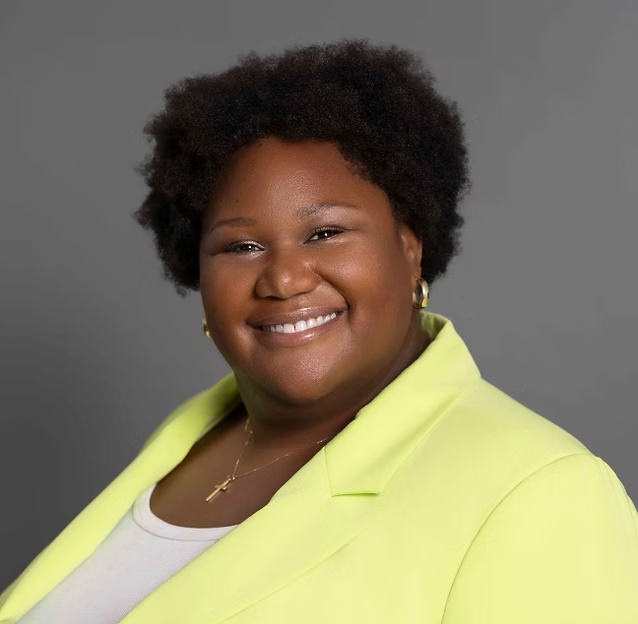
By: Venee Galloway, CPCU, CBIA, CLCS, SBCS
Director of Commercial Insurance
Core Coverage Types for Construction Businesses
Beyond state-mandated requirements, several insurance policies form the foundation of comprehensive protection for Virginia contractors. Each addresses distinct risks inherent to construction operations.
General Liability: Protecting Against Third-Party Claims
General liability insurance responds when your business operations cause bodily injury or property damage to third parties. A homeowner trips over materials you left in their driveway and breaks an ankle. Your crew accidentally damages a client's landscaping while installing a new deck. A passerby is struck by debris from your demolition project. These scenarios illustrate the types of claims general liability coverage addresses. Policies typically include coverage for completed operations, which protects against claims arising after you finish a project. Most Virginia contractors carry limits between $500,000 and $2,000,000 per occurrence, with higher limits available through umbrella policies. ABP Insurance Agency, Inc. works with multiple carriers to find appropriate coverage levels based on your specific trade and project types.
Inland Marine and Tools Coverage
Construction equipment and tools represent significant investments that standard property policies often exclude or inadequately cover. Inland marine insurance, sometimes called contractor's equipment coverage, protects portable tools, machinery, and materials while in transit or at job sites. A theft from your work truck, damage to a generator at a remote location, or loss of specialized equipment during transport would all trigger this coverage. Policies can be written on a scheduled basis, listing specific high-value items, or on a blanket basis covering all equipment up to a stated limit. Given that tool theft remains a persistent problem on Virginia construction sites, this coverage provides essential protection for your capital investments.
Commercial Auto Insurance for Work Vehicles
Personal auto policies exclude vehicles used for business purposes, making
commercial auto coverage necessary for trucks, vans, and other vehicles your company operates. This coverage includes liability protection when your drivers cause accidents, as well as physical damage coverage for your own vehicles. Virginia requires minimum liability limits of $30,000 per person and $60,000 per accident for bodily injury, plus $20,000 for property damage. However, contractors typically carry substantially higher limits to protect against serious accident claims. Hired and non-owned auto coverage extends protection to employees using personal vehicles for company business or rental vehicles used for work purposes.
Average Costs and Pricing Factors in Virginia
Insurance premiums for Virginia contractors vary significantly based on multiple factors, and understanding these variables helps you budget appropriately and identify opportunities to reduce costs.
How Trade Specialization Affects Premiums
Your specific trade classification dramatically influences premium calculations because different construction activities carry different risk profiles. Roofing contractors and structural steel workers face substantially higher premiums than painters or flooring installers due to the elevated injury and liability risks associated with their work. A general liability policy for a residential painter might cost $800 to $1,500 annually, while a roofing contractor with similar revenue could pay $3,000 to $8,000 or more for equivalent coverage limits. Electrical and plumbing contractors fall somewhere in the middle, typically paying $1,500 to $4,000 annually depending on their project types and claims history. These ranges represent general estimates, and actual premiums depend on numerous additional factors.
| Trade Category | Typical Annual GL Premium | Risk Level |
|---|---|---|
| Painting/Drywall | $800 - $1,500 | Lower |
| Electrical/Plumbing | $1,500 - $4,000 | Moderate |
| General Contracting | $2,000 - $5,000 | Moderate-High |
| Roofing/Structural | $3,000 - $8,000+ | Higher |
The Impact of Annual Revenue and Payroll
Insurance carriers calculate premiums partly based on your business size, using annual revenue for general liability and payroll for workers' compensation. Higher revenue generally indicates more projects, more exposure to potential claims, and therefore higher premiums. A contractor generating $500,000 annually will pay more than one generating $150,000, assuming all other factors remain equal. Workers' compensation premiums are calculated per $100 of payroll, with rates varying by employee classification. Virginia workers' compensation rates have remained relatively stable in recent years, though individual employer experience modification factors can significantly increase or decrease premiums based on claims history.

Specialized Policies for High-Risk Projects
Certain construction activities require coverage beyond standard general liability and workers' compensation policies. These specialized products address unique exposures that could otherwise create significant coverage gaps.
Professional Liability and Errors & Omissions
Design-build contractors, construction managers, and firms providing engineering or architectural services face professional liability exposures that general liability policies do not cover. Professional liability insurance, also called errors and omissions coverage, responds to claims alleging negligent professional advice, design defects, or failure to meet professional standards. A structural design flaw that leads to building damage, an incorrect specification that causes project delays, or a code compliance error that requires expensive corrections would all fall under this coverage. Contractors who provide design services, even informally, should evaluate whether their operations create professional liability exposures requiring dedicated coverage.
Pollution Liability for Environmental Contractors
Environmental remediation contractors, demolition companies, and firms working with hazardous materials face pollution exposures that standard policies specifically exclude.
Pollution liability coverage responds to claims arising from the release of pollutants, including cleanup costs, third-party bodily injury, and property damage. Even contractors not directly involved in environmental work may encounter unexpected pollution exposures when renovating older buildings containing asbestos, lead paint, or underground storage tanks. Site-specific pollution policies are available for individual projects, while contractor's pollution liability provides ongoing coverage for firms regularly encountering these exposures.
How to Obtain and Manage Your Virginia Policy
Securing appropriate coverage requires comparing options from multiple carriers and maintaining proper documentation throughout the policy period.
Comparing Quotes from Local and National Carriers
The Virginia contractor insurance market includes both national carriers and regional insurers, each offering different pricing structures, coverage terms, and service levels. Working with an independent agency like ABP Insurance Agency, Inc. provides access to multiple carriers through a single point of contact, allowing for efficient comparison of coverage options and premiums. When evaluating quotes, examine not only premium costs but also coverage limits, deductibles, exclusions, and the carrier's financial strength rating. A policy with a lower premium but inadequate coverage limits or problematic exclusions may ultimately prove more expensive if a claim exceeds your coverage. ABP Insurance Agency, Inc. serves Virginia contractors in multiple languages, including Spanish, Vietnamese, Korean, and Mandarin, ensuring clear communication throughout the quoting and claims processes.
Maintaining Certificates of Insurance (COI) for Clients
General contractors, project owners, and property managers routinely request certificates of insurance before allowing subcontractors to begin work. These certificates verify your coverage types, limits, and policy effective dates. Maintaining current certificates and responding promptly to requests prevents project delays and demonstrates professionalism. Many insurance carriers and agencies offer online certificate management systems that streamline this process. You should review certificate requests carefully to ensure any additional insured requirements or specific coverage endorsements are properly reflected. Failing to add required additional insureds or provide certificates with correct information can delay project starts and damage client relationships.
Frequently Asked Questions
Does Virginia require general liability insurance for contractors? Virginia does not mandate general liability coverage by law, but most clients, general contractors, and project owners require it before permitting work to begin. Practically speaking, operating without this coverage severely limits your business opportunities.
How much workers' compensation coverage do I need? Virginia workers' compensation benefits are determined by statute, not policy limits. Your policy must comply with state requirements, and coverage amounts are based on the injured worker's wages and the nature of their injury.
Can I exclude myself from workers' compensation as a business owner? Sole proprietors and partners may exclude themselves from coverage in Virginia, though corporate officers generally cannot. Excluding yourself reduces premiums but eliminates your own injury protection.
What happens if I work without required insurance? Operating without mandated coverage can result in fines, license suspension, personal liability for employee injuries, and criminal charges in serious cases. The financial and legal consequences typically far exceed insurance premium costs.
How often should I review my contractor insurance?
Annual reviews at renewal time are standard, but you should also reassess coverage when your business adds new services, significantly increases revenue, hires additional employees, or takes on larger projects.
Making the Right Choice for Your Business
Securing proper contractor insurance in Virginia requires balancing regulatory compliance, client requirements, and financial protection against the full range of risks your business faces. The investment in appropriate coverage protects not only your company assets but also your personal finances and professional reputation. Taking time to understand your exposures, compare carrier options, and maintain proper documentation positions your business for sustainable growth. If you are ready to evaluate your current coverage or obtain new policies,
contact ABP Insurance Agency to speak with a multilingual agent who can help identify the right protection for your specific situation.
Our Reviews
Trusted Advice, Proven Results
See what our clients have to say about their experience working with us, or share feedback about your experience.

PERSONAL INSURANCE
Protect What Matters Most
Home, auto, and life coverage at competitive rates from 25+ carriers.
Home Insurance
Covers your home and belongings from events like fire, theft, or storms. Ensures peace of mind with clear, reliable coverage for houses, condos, apartments, and rentals
Auto Insurance
Covers vehicle repairs, liability, and medical costs from accidents. Protects you and your car with easy-to-understand policies that meet Virginia requirements.
Umbrella Insurance
Provides extra liability coverage beyond home and auto policies. Adds protection for unexpected situations that exceed your standard policy limits.
Renters Insurance
Covers your personal belongings and provides liability protection if you rent your home. Replaces items damaged by fire, theft, or water at a low monthly cost.
Condo Insurance
Fills the coverage gaps your HOA master policy leaves open. Protects your unit's interior, personal property, and liability from covered losses.
Classic & Specialty Vehicles
Coverage for classic cars, motorcycles, ATVs, boats, and RVs. We partner with specialty carriers like Hagerty to protect vehicles that standard auto policies do not cover.
BUSINESS INSURANCE
Secure What You've Built
Coverage solutions for growing companies backed by decades of commercial experience.






INDUSTRIES WE SERVE
Virginia's Businesses We Protect
Insurance solutions to help Virginia businesses protect their assets, employees, and operations.


FAQs
Your Questions, Answered
Explore our FAQs to get answers to some of the most common questions about our insurance solutions and services.
What languages do your agents speak?
We have agents who are fluent in Spanish, Vietnamese, Mandarin, Cantonese, Korean, Hindi, Urdu, and Punjabi. If you prefer a language other than English, just let us know!
Who do you typically work with?
We work with clients at all stages of life—from young professionals and growing families to high-net-worth individuals and retirees. We work with both small and large companies. No matter where you are on your journey, we can provide insurance solutions that align with your needs.
How do I get started?
It’s easy! Simply click here to get started. From there you will be able to seamlessly transfer your current coverage information to us or answer a few questions and one of our agents will be in touch.
How do you charge for your services?
We never charge fees for our service. As independent agents, we are paid by the insurance company after the policies you select are issued. Our compensation is a small percentage of the policy premium.
What makes ABP Insurance different from other insurance providers?
ABP Insurance is an independent agency. We work with over 25 insurance carriers to find the best coverage and rates for your needs. We do not represent a single company — we represent you. Our team also speaks nine languages, making us one of the most accessible agencies in Northern Virginia. We combine modern technology with personal service so clients get fast quotes, clear explanations, and ongoing support throughout their policy term.
What areas does ABP Insurance serve?
Our office is in Falls Church, Virginia, and we serve clients throughout Northern Virginia, the greater D.C. metro area, and beyond. We currently write policies in Virginia, Maryland, Washington D.C., Massachusetts, New Hampshire, Maine, Georgia, Texas, and North Carolina. Because we work with many of the largest national carriers, we can often help clients who own property in multiple states or who are relocating.
Contact Us
Phone Number:
703-846-0558
Email Address:
info@abpinsurance.com
Located at: 8315 US-29 Ste 215, Fairfax, VA 22031, United States
In-Person by Appointment Only