
Running a nonprofit organization in Virginia means balancing mission-driven work with practical realities, and few realities matter more than having the right insurance protection in place. A single lawsuit, property loss, or data breach can devastate years of community-building efforts and donor trust. Nonprofit organization insurance in Virginia encompasses multiple coverage types, each designed to address specific risks that charitable entities face daily. From protecting board members against personal liability to ensuring volunteers are covered during service activities, the stakes are simply too high to leave coverage gaps unaddressed. Virginia law imposes certain mandates on nonprofits, particularly regarding workers' compensation and commercial auto insurance, while leaving other critical protections to your discretion. Understanding what coverage your organization requires versus what it should strongly consider helps you allocate limited resources wisely. The cost of nonprofit insurance varies significantly based on your organization's size, activities, claims history, and the populations you serve. Youth-serving organizations, healthcare nonprofits, and those handling sensitive donor information face heightened scrutiny and premium considerations. This guide walks through essential coverages, Virginia-specific legal requirements, specialized risk protections, cost factors, and the practical steps needed to secure appropriate policies for your 501(c)(3) organization.
Essential Insurance Coverages for Virginia Nonprofits
Virginia nonprofits face a unique combination of risks that standard commercial policies may not fully address, making tailored coverage selections essential for comprehensive protection.
General Liability and Property Protection
General liability insurance forms the foundation of any nonprofit's risk management strategy, covering third-party bodily injury and property damage claims arising from your operations. If a visitor slips on a wet floor at your community center or a volunteer accidentally damages a client's property during a home visit, this coverage responds to resulting claims. Most landlords, event venues, and grant-making foundations require proof of general liability coverage before allowing nonprofits to use their facilities or receive funding. Property insurance protects your organization's physical assets, including buildings you own, office equipment, furniture, and specialized items like musical instruments or medical supplies. Business interruption coverage, often bundled with property insurance, helps replace lost income if a covered event forces temporary closure of your operations.
Directors and Officers (D&O) Liability
Board members and executive leadership face personal exposure when allegations of mismanagement, breach of fiduciary duty, or employment-related claims arise. D&O liability insurance protects these individuals from having to pay defense costs and settlements from their personal assets. Virginia courts have held nonprofit directors to standards of care similar to their for-profit counterparts, meaning personal liability is a genuine concern. This coverage also protects the organization itself when it indemnifies directors and officers, preventing lawsuits from draining operational funds. Employment practices liability, sometimes included within D&O policies, covers claims of wrongful termination, discrimination, and harassment brought by current or former employees.
Professional Liability and Errors & Omissions
Organizations providing counseling, education, healthcare, legal aid, or other professional services need protection against claims that their advice or services caused harm.
Professional liability insurance, also called errors and omissions coverage, responds when clients allege negligence, mistakes, or failure to deliver promised services. A tutoring nonprofit facing claims that inadequate instruction harmed a student's academic progress would look to this coverage for defense and potential settlement. Unlike general liability, which covers physical injuries, professional liability addresses financial and emotional harm resulting from your organization's core service delivery.

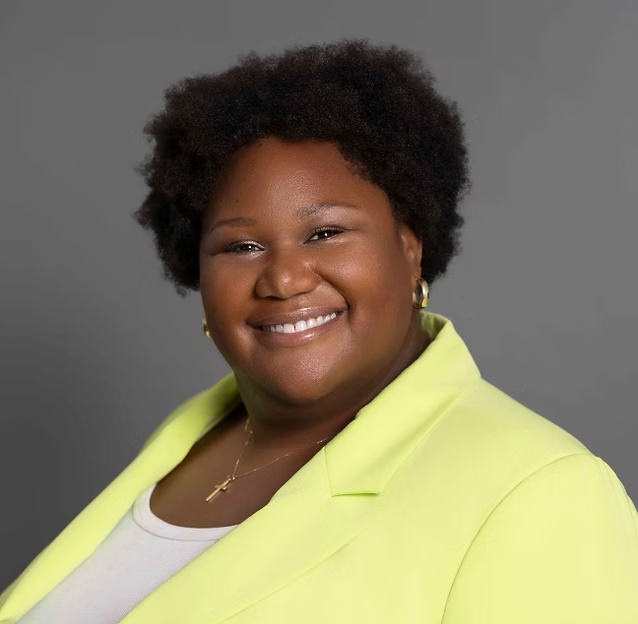
By: Venee Galloway, CPCU, CBIA, CLCS, SBCS
Director of Commercial Insurance
Virginia State Mandates and Legal Requirements
Virginia law establishes specific insurance requirements that nonprofits must satisfy, with penalties for noncompliance ranging from fines to personal liability for organizational leaders.
Workers' Compensation Rules for 501(c)(3) Organizations
Virginia requires most employers, including nonprofits, to carry workers' compensation insurance once they have two or more employees. This coverage pays for medical expenses, lost wages, and rehabilitation costs when employees suffer work-related injuries or illnesses. Failure to maintain required coverage exposes your organization to civil penalties and makes individual board members potentially liable for injured workers' claims. Some nonprofits mistakenly believe their charitable status exempts them from this requirement, but Virginia law makes no such distinction. Part-time employees, seasonal workers, and even some interns count toward the employee threshold that triggers mandatory coverage.
Commercial Auto Insurance for Staff and Volunteers
Any vehicle titled to your nonprofit must carry commercial auto insurance meeting Virginia's minimum liability limits. When employees or volunteers use personal vehicles for organizational business, hired and non-owned auto coverage fills critical gaps left by their personal policies. Virginia requires minimum liability coverage of $30,000 per person and $60,000 per accident for bodily injury, plus $20,000 for property damage. Many nonprofits increase these limits substantially given the potential severity of auto accident claims.
Unemployment Insurance and Tax Obligations
Virginia nonprofits with four or more employees in 20 different weeks of the calendar year must participate in the state unemployment insurance program. Organizations may choose between paying quarterly contributions based on a state-assigned rate or reimbursing the Virginia Employment Commission directly for benefits paid to former employees. This obligation exists separately from insurance policies purchased through private carriers and represents a direct relationship with state government.
Protecting Volunteers and Specialized Risks
Volunteers represent both a tremendous asset and a distinct liability exposure that standard policies may not adequately address.
Volunteer Accident and Liability Coverage
Virginia's volunteer protection statutes provide some immunity for volunteers acting in good faith, but this protection has significant limitations and does not eliminate all exposure. Volunteer accident insurance covers medical expenses when volunteers are injured during service activities, functioning similarly to workers' compensation for unpaid helpers. Volunteer liability coverage protects your organization when a volunteer's actions cause harm to third parties during authorized activities. Organizations relying heavily on volunteer labor, such as food banks, animal shelters, and disaster relief groups, should prioritize these specialized coverages.
Abuse and Molestation Prevention Policies
Nonprofits working with children, elderly individuals, or other vulnerable populations face heightened scrutiny and exposure related to abuse allegations. Abuse and molestation liability coverage provides defense and indemnity when claims arise, though insurers require evidence of robust prevention protocols before issuing policies. Background checks, supervision policies, reporting procedures, and training documentation all factor into underwriting decisions. Virginia law imposes mandatory reporting obligations on certain nonprofit workers who suspect abuse, creating additional compliance considerations.
Cyber Liability for Donor Data Protection
Nonprofits collect sensitive information including donor credit card numbers, Social Security numbers for background checks, and client health records. Cyber liability insurance covers costs associated with data breaches, including notification expenses, credit monitoring services, regulatory fines, and legal defense. Virginia's data breach notification law requires organizations to inform affected individuals when personal information is compromised. The reputational damage from a breach can devastate donor relationships and public trust that took years to build.

Factors Influencing Insurance Costs in Virginia
Premium calculations for nonprofit coverage reflect multiple variables that organizations can influence through careful risk management.
Organization Size, Revenue, and Sector Impact
Annual revenue serves as a primary rating factor for most nonprofit coverages, with larger organizations paying higher premiums due to increased exposure. Employee count directly affects workers' compensation costs, while the number of volunteers influences volunteer accident coverage pricing. Sector-specific risks drive significant premium variations, as shown below:
| Nonprofit Type | Primary Risk Factors | Relative Premium Level |
|---|---|---|
| Youth Services | Abuse allegations, supervision liability | Higher |
| Food Banks | Foodborne illness, volunteer injuries | Moderate |
| Arts Organizations | Property values, event liability | Moderate |
| Advocacy Groups | D&O exposure, employment claims | Lower to Moderate |
| Healthcare Nonprofits | Professional liability, HIPAA compliance | Higher |
Claims History and Risk Management Protocols
Your organization's loss history significantly impacts renewal pricing and insurer willingness to offer coverage. Implementing formal risk management programs, including safety training, incident documentation, and regular policy reviews, demonstrates commitment to loss prevention. Insurers often provide premium credits for organizations with written safety protocols, active risk committees, and clean claims records over three to five years.
Virginia provides limited immunity protections for charitable organizations, but these protections have eroded substantially over decades of court decisions. The charitable immunity doctrine once shielded nonprofits from most negligence claims, but modern Virginia courts apply numerous exceptions that reduce its practical value. Beneficiaries of your services, as opposed to strangers, may face limitations on recovery, though this distinction involves complex legal analysis. Relying on charitable immunity instead of adequate insurance coverage represents a dangerous gamble that sophisticated nonprofit leaders avoid. Insurance remains your primary protection regardless of potential immunity defenses.
Steps to Securing and Managing Your Policy
Begin by conducting a thorough risk assessment that identifies all activities, assets, and populations your organization serves. Gather documentation including financial statements, employee rosters, volunteer counts, vehicle lists, and descriptions of programs and services. Request quotes from multiple carriers, as pricing varies significantly among insurers specializing in nonprofit coverage. Review policy exclusions carefully, since standard forms may not address your organization's specific activities without endorsements. Establish annual review processes to ensure coverage keeps pace with organizational growth and program changes.
Working with an independent insurance agency provides access to multiple carriers and expertise in nonprofit-specific coverage needs. ABP Insurance Agency, Inc. serves Virginia nonprofits with multilingual support in nine languages, helping organizations with diverse leadership and membership navigate coverage options. With over 150 years of combined experience and access to top-rated carriers, finding appropriate nonprofit organization insurance in Virginia becomes significantly more manageable.
Frequently Asked Questions
Does Virginia require nonprofits to carry general liability insurance? No state law mandates general liability coverage, but landlords, funders, and event venues typically require it as a condition of doing business.
Are volunteer board members personally liable for nonprofit debts? Generally no, provided proper corporate formalities are maintained, but D&O insurance protects against personal liability from management decisions and lawsuits.
How much does nonprofit insurance cost in Virginia? Small nonprofits may pay $1,000 to $3,000 annually for basic coverage, while larger organizations with complex operations can expect $10,000 or more.
Do we need separate coverage for special events? Special event liability coverage is often required by venues and provides protection beyond standard general liability limits for specific activities.
Can we add volunteers to our workers' compensation policy? Virginia law does not require workers' compensation for volunteers, and separate volunteer accident coverage typically provides more appropriate protection.
Securing proper insurance coverage protects your nonprofit's mission, your board members' personal assets, and the community members you serve. Virginia's legal requirements establish minimum standards, but comprehensive protection requires thoughtful analysis of your organization's unique risk profile. Reviewing your current coverage annually and after any significant program changes ensures gaps do not develop over time. For personalized guidance on nonprofit organization insurance requirements and coverage options,
contact ABP Insurance to speak with a knowledgeable agent who can help identify the right policies for your charitable organization.
Our Reviews
Trusted Advice, Proven Results
See what our clients have to say about their experience working with us, or share feedback about your experience.

PERSONAL INSURANCE
Protect What Matters Most
Home, auto, and life coverage at competitive rates from 25+ carriers.
Home Insurance
Covers your home and belongings from events like fire, theft, or storms. Ensures peace of mind with clear, reliable coverage for houses, condos, apartments, and rentals
Auto Insurance
Covers vehicle repairs, liability, and medical costs from accidents. Protects you and your car with easy-to-understand policies that meet Virginia requirements.
Umbrella Insurance
Provides extra liability coverage beyond home and auto policies. Adds protection for unexpected situations that exceed your standard policy limits.
Renters Insurance
Covers your personal belongings and provides liability protection if you rent your home. Replaces items damaged by fire, theft, or water at a low monthly cost.
Condo Insurance
Fills the coverage gaps your HOA master policy leaves open. Protects your unit's interior, personal property, and liability from covered losses.
Classic & Specialty Vehicles
Coverage for classic cars, motorcycles, ATVs, boats, and RVs. We partner with specialty carriers like Hagerty to protect vehicles that standard auto policies do not cover.
BUSINESS INSURANCE
Secure What You've Built
Coverage solutions for growing companies backed by decades of commercial experience.






INDUSTRIES WE SERVE
Virginia's Businesses We Protect
Insurance solutions to help Virginia businesses protect their assets, employees, and operations.



FAQs
Your Questions, Answered
Explore our FAQs to get answers to some of the most common questions about our insurance solutions and services.
What languages do your agents speak?
We have agents who are fluent in Spanish, Vietnamese, Mandarin, Cantonese, Korean, Hindi, Urdu, and Punjabi. If you prefer a language other than English, just let us know!
Who do you typically work with?
We work with clients at all stages of life—from young professionals and growing families to high-net-worth individuals and retirees. We work with both small and large companies. No matter where you are on your journey, we can provide insurance solutions that align with your needs.
How do I get started?
It’s easy! Simply click here to get started. From there you will be able to seamlessly transfer your current coverage information to us or answer a few questions and one of our agents will be in touch.
How do you charge for your services?
We never charge fees for our service. As independent agents, we are paid by the insurance company after the policies you select are issued. Our compensation is a small percentage of the policy premium.
What makes ABP Insurance different from other insurance providers?
ABP Insurance is an independent agency. We work with over 25 insurance carriers to find the best coverage and rates for your needs. We do not represent a single company — we represent you. Our team also speaks nine languages, making us one of the most accessible agencies in Northern Virginia. We combine modern technology with personal service so clients get fast quotes, clear explanations, and ongoing support throughout their policy term.
What areas does ABP Insurance serve?
Our office is in Falls Church, Virginia, and we serve clients throughout Northern Virginia, the greater D.C. metro area, and beyond. We currently write policies in Virginia, Maryland, Washington D.C., Massachusetts, New Hampshire, Maine, Georgia, Texas, and North Carolina. Because we work with many of the largest national carriers, we can often help clients who own property in multiple states or who are relocating.
Contact Us
Phone Number:
703-846-0558
Email Address:
info@abpinsurance.com
Located at: 8315 US-29 Ste 215, Fairfax, VA 22031, United States
In-Person by Appointment Only