
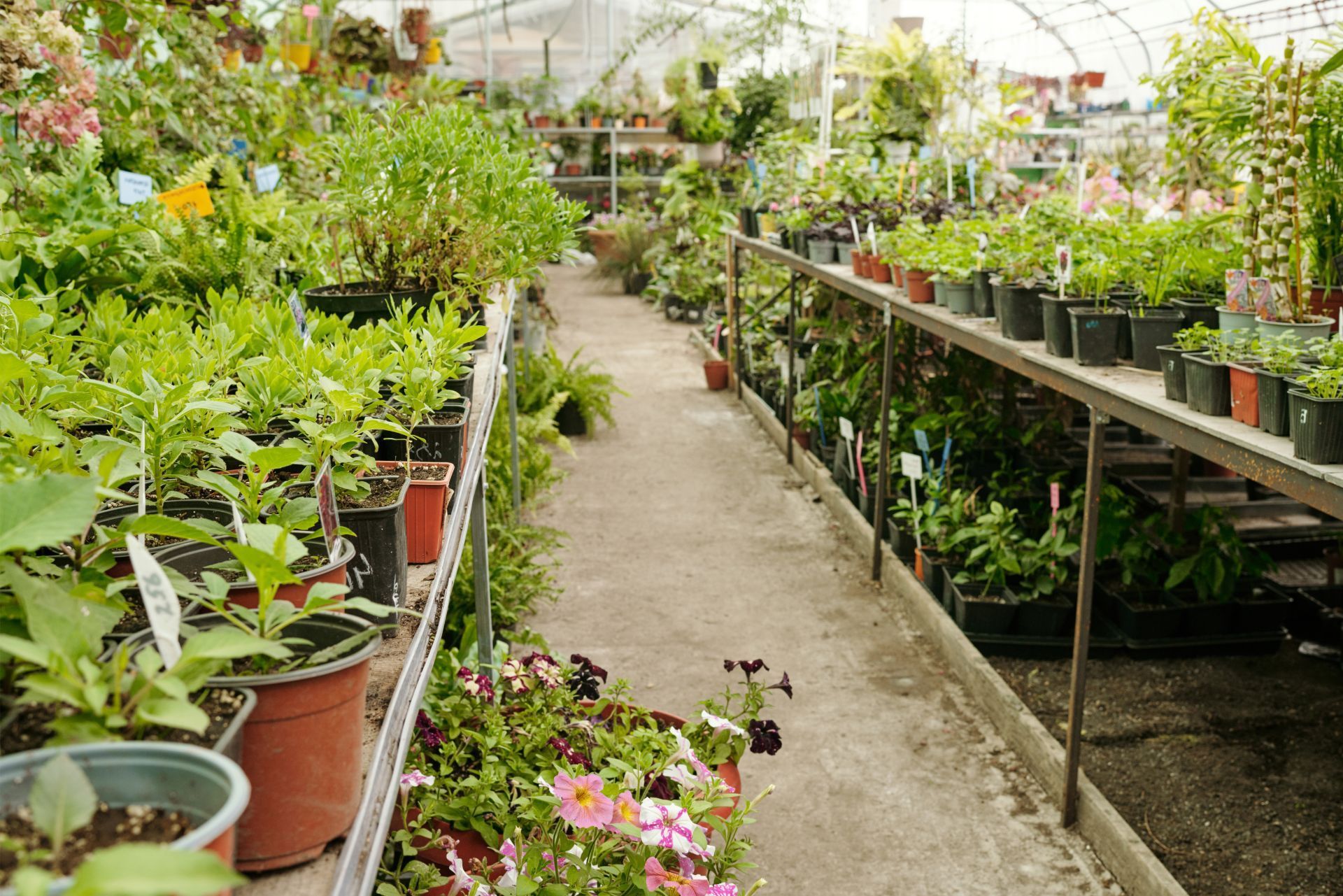
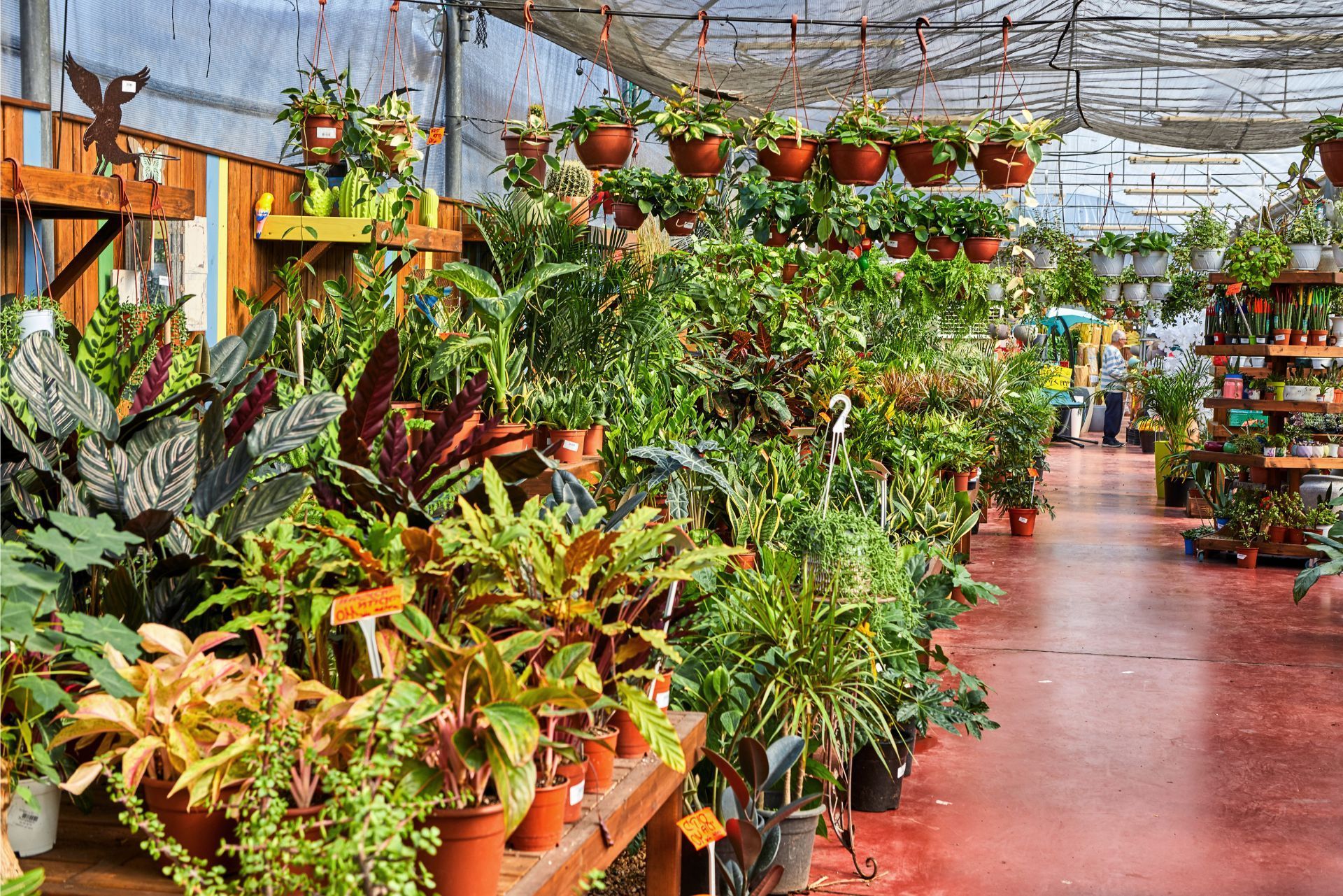
Running a garden center in Virginia means managing a unique combination of risks that most retail businesses never encounter. Your operation likely includes fragile greenhouse structures, seasonal inventory worth tens of thousands of dollars, chemical products that require careful handling, and customers wandering through outdoor spaces where uneven terrain and heavy equipment create hazards. Garden center insurance in Virginia protects your business from the financial consequences of property damage, customer injuries, crop losses, and liability claims that can arise from selling plants, landscaping supplies, and related products. The state's varied climate zones, from coastal Hampton Roads to the Blue Ridge Mountains, create distinct exposures that influence both your coverage needs and premium costs. Seasonal flooding, hurricanes, and unexpected late frosts can devastate inventory in ways that standard business policies may not cover without specific endorsements. Virginia also imposes particular requirements on employers and commercial vehicle operators that garden center owners must understand before purchasing coverage. This guide examines the essential policies your nursery or garden center requires, explains how Virginia regulations affect your insurance obligations, and provides realistic cost expectations based on common business profiles in the Commonwealth.
Core Insurance Needs for Virginia Garden Centers
Every garden center requires a foundation of coverage that addresses the most common and potentially costly exposures in the industry. These core policies protect against customer injuries, property damage, and claims arising from the products you sell.
General Liability for Customer Foot Traffic
Garden centers invite customers into environments filled with potential hazards that differ significantly from typical retail stores. Wet greenhouse floors, gravel pathways, protruding plant displays, and heavy bags of mulch or soil create slip, trip, and fall risks throughout your property. General liability coverage responds when a customer suffers an injury on your premises and holds your business responsible for medical expenses and related damages. This policy also protects against advertising injury claims and damage you cause to third-party property during your operations. Virginia garden centers should carry at least one million dollars in per-occurrence coverage, though landlords and commercial contracts often require two million dollar limits. Your policy should specifically address outdoor retail operations, as some standard forms exclude or limit coverage for businesses conducted primarily outside enclosed buildings.
Commercial Property and Greenhouse Structures
Your physical assets represent a substantial investment that requires comprehensive property coverage tailored to nursery operations. Greenhouses, shade structures, irrigation systems, and display fixtures face exposure to wind, hail, and the severe storms that regularly affect Virginia from spring through fall. Standard commercial property policies may classify greenhouses as temporary structures or exclude them entirely, leaving you unprotected when a storm collapses your growing facilities. Work with your agent to ensure your policy specifically covers greenhouse structures at replacement cost, including the heating, cooling, and irrigation equipment inside them. Your building coverage should also address outdoor fixtures like pergolas, fencing, and permanent signage that enhance your retail operation.
Product Liability for Plants and Pesticides
Selling plants, fertilizers, pesticides, and gardening chemicals exposes your business to product liability claims that general liability alone may not fully address. A customer who becomes ill after using a pesticide you recommended, or who experiences property damage from a diseased plant, may pursue compensation from your business. Product liability coverage protects against claims alleging that items you sold caused bodily injury or property damage. Garden centers selling restricted-use pesticides or providing application services face elevated exposure and should verify that their coverage extends to professional recommendations and advice given to customers.

By: Venee Galloway, CPCU, CBIA, CLCS, SBCS
Director of Commercial Insurance
Specialized Coverage for Nursery Operations
Beyond standard business insurance, garden centers require specialized policies that address the unique nature of growing, storing, and selling living inventory.
Crop and Inventory Protection
Your plant inventory represents a living asset that faces perils no standard property policy adequately covers. Disease outbreaks, pest infestations, unseasonable temperatures, and irrigation failures can destroy thousands of dollars in stock within days. Nursery stock coverage, sometimes called growing crop insurance, protects your inventory against these biological and environmental hazards. This specialized coverage values your plants based on their wholesale or retail worth and responds to losses that standard property policies exclude. Virginia garden centers should review their inventory coverage annually before the spring buying season when stock values peak, ensuring limits reflect current replacement costs rather than outdated valuations.
Equipment Breakdown and Power Outage Coverage
Greenhouses depend on mechanical systems that must function continuously to protect temperature-sensitive inventory. Heating system failures during Virginia's unpredictable spring freezes, or cooling system breakdowns during humid summer months, can devastate your growing stock within hours. Equipment breakdown coverage pays to repair or replace failed mechanical systems and compensates you for the spoiled inventory that results from the breakdown. This coverage extends to boilers, compressors, electrical panels, and computerized climate control systems. Power outage coverage provides similar protection when utility failures, rather than equipment malfunctions, cause your losses.
Virginia State Requirements and Mandates
Virginia law imposes specific insurance obligations on employers and businesses operating commercial vehicles that garden center owners must satisfy to operate legally.
Workers' Compensation Laws for Retailers
Virginia requires most employers to carry workers' compensation insurance once they have three or more employees, including part-time and seasonal workers. Garden centers often exceed this threshold during busy spring and summer months, triggering the coverage requirement even if the business operates with fewer staff during winter. Workers' compensation covers medical expenses and lost wages when employees suffer job-related injuries or illnesses. The physical nature of garden center work, involving heavy lifting, equipment operation, and chemical exposure, creates substantial injury risk that makes this coverage essential regardless of legal requirements. Employers who fail to maintain required coverage face penalties and personal liability for workplace injuries.
Commercial Auto Insurance for Delivery Fleets
Garden centers offering delivery services must carry
commercial auto insurance that meets Virginia's minimum liability requirements. The state mandates at least $30,000 per person and $60,000 per accident in bodily injury coverage, plus $20,000 in property damage coverage. These minimums provide inadequate protection for most businesses, and commercial auto policies should carry limits of at least $500,000 combined single limit to protect against serious accident claims. Your commercial auto policy should cover all vehicles used for business purposes, including employee-owned vehicles used for deliveries or errands. Hired and non-owned auto coverage fills gaps when employees drive their personal vehicles on company business.
Factors Influencing Insurance Costs in Virginia
Several variables determine what your garden center will pay for coverage, and understanding these factors helps you anticipate costs and identify opportunities to reduce premiums.
Annual Revenue and Payroll Size
Insurance companies use your annual revenue and total payroll as primary rating factors because these figures correlate with your exposure to claims. Higher revenue suggests more customer transactions and greater product liability exposure, while larger payrolls indicate more employees who might be injured or cause accidents. General liability premiums typically range from $400 to $1,500 per $100,000 in revenue for garden centers, depending on your specific operations. Workers' compensation rates in Virginia vary by job classification, with nursery workers and retail clerks assigned different rates based on their injury risk profiles.
Location Risks and Coastal Weather Exposure
Your garden center's location within Virginia significantly affects property insurance costs. Businesses in coastal areas from Virginia Beach through the Northern Neck face elevated hurricane and flood exposure that increases premiums substantially. Properties in designated flood zones require separate flood insurance policies, as standard commercial property coverage excludes flood damage. Inland locations may face lower wind and flood premiums but could see higher theft rates depending on neighborhood crime statistics. Insurers also consider your proximity to fire stations and the quality of local fire protection when rating property coverage.
| Coverage Type | Small Garden Center | Mid-Size Operation | Large Nursery |
|---|---|---|---|
| General Liability | $1,200 - $2,500 | $4,000 - $10,000 | $5,000 - $12,000 |
| Commercial Property | $1,500 - $4,000 | $5,000 - $15,000 | $10,000 - $25,000 |
| Workers' Compensation | $2,000 - $5,000 | $3,000 - $8,000 | $15,000 - $40,000 |
| Commercial Auto | $1,200 - $3,000 | $2,000 - $6,000 | $8,000 - $20,000 |
| Nursery Stock | $800 - $2,000 | $2,000 - $6,000 | $6,000 - $15,000 |
These ranges reflect typical Virginia garden centers with standard risk profiles and clean claims histories. Your actual premiums depend on your specific operations, loss history, and the coverage limits you select.
Implementing sound risk management practices reduces both your likelihood of claims and your insurance costs over time.
Safety Protocols and Staff Training
Documented safety programs demonstrate to insurers that your business takes loss prevention seriously. Train employees on proper lifting techniques, chemical handling procedures, and customer safety protocols. Maintain written safety policies and conduct regular training sessions with documented attendance. Workers' compensation insurers often provide premium credits for businesses with formal safety programs, and your claims experience over time will reflect the reduced injury frequency that proper training produces. Keep aisles clear, repair uneven surfaces promptly, and ensure adequate lighting throughout your retail and growing areas.
Implementing Fire and Theft Mitigation
Fire and theft represent significant exposures for garden centers, particularly those storing flammable materials or operating in less secure locations. Install monitored fire and burglar alarms to qualify for insurance credits and reduce your actual loss exposure. Maintain fire extinguishers throughout your facilities and train staff on their proper use. Secure chemical storage areas and limit access to expensive equipment and inventory. Many insurers offer premium discounts of five to fifteen percent for businesses with monitored alarm systems and sprinkler protection.
Frequently Asked Questions
Does my homeowners policy cover a small nursery I run from my property? Homeowners policies exclude business activities, so any nursery operation requires separate commercial coverage regardless of size or location.
How often should I update my inventory coverage limits? Review your nursery stock coverage before each growing season and after any significant inventory purchases to ensure adequate protection.
Are seasonal workers counted toward the workers' compensation threshold? Yes, Virginia counts all employees including seasonal and part-time workers when determining whether you meet the three-employee threshold.
What happens if a customer's pet damages plants in my store? Your property coverage would typically respond, though you might pursue reimbursement from the pet owner depending on circumstances.
Do I need separate pollution coverage for pesticide sales? Standard liability policies contain pollution exclusions, so garden centers selling or applying pesticides should discuss pollution liability coverage with their agent.
Making the Right Coverage Decision
Protecting your Virginia garden center requires policies that address both common business risks and the specialized exposures unique to nursery operations. Working with an independent insurance agency provides access to multiple carriers and coverage options that can be tailored to your specific situation. ABP Insurance Agency, Inc. offers garden center insurance consultations in nine languages and can compare quotes from multiple top carriers to find appropriate coverage at competitive rates. To discuss your coverage requirements with an experienced agent,
request a free quote and take the first step toward comprehensive protection for your business.
Our Reviews
Trusted Advice, Proven Results
See what our clients have to say about their experience working with us, or share feedback about your experience.

PERSONAL INSURANCE
Protect What Matters Most
Home, auto, and life coverage at competitive rates from 25+ carriers.
Home Insurance
Covers your home and belongings from events like fire, theft, or storms. Ensures peace of mind with clear, reliable coverage for houses, condos, apartments, and rentals
Auto Insurance
Covers vehicle repairs, liability, and medical costs from accidents. Protects you and your car with easy-to-understand policies that meet Virginia requirements.
Umbrella Insurance
Provides extra liability coverage beyond home and auto policies. Adds protection for unexpected situations that exceed your standard policy limits.
Renters Insurance
Covers your personal belongings and provides liability protection if you rent your home. Replaces items damaged by fire, theft, or water at a low monthly cost.
Condo Insurance
Fills the coverage gaps your HOA master policy leaves open. Protects your unit's interior, personal property, and liability from covered losses.
Classic & Specialty Vehicles
Coverage for classic cars, motorcycles, ATVs, boats, and RVs. We partner with specialty carriers like Hagerty to protect vehicles that standard auto policies do not cover.
BUSINESS INSURANCE
Secure What You've Built
Coverage solutions for growing companies backed by decades of commercial experience.






INDUSTRIES WE SERVE
Virginia's Businesses We Protect
Insurance solutions to help Virginia businesses protect their assets, employees, and operations.



FAQs
Your Questions, Answered
Explore our FAQs to get answers to some of the most common questions about our insurance solutions and services.
What languages do your agents speak?
We have agents who are fluent in Spanish, Vietnamese, Mandarin, Cantonese, Korean, Hindi, Urdu, and Punjabi. If you prefer a language other than English, just let us know!
Who do you typically work with?
We work with clients at all stages of life—from young professionals and growing families to high-net-worth individuals and retirees. We work with both small and large companies. No matter where you are on your journey, we can provide insurance solutions that align with your needs.
How do I get started?
It’s easy! Simply click here to get started. From there you will be able to seamlessly transfer your current coverage information to us or answer a few questions and one of our agents will be in touch.
How do you charge for your services?
We never charge fees for our service. As independent agents, we are paid by the insurance company after the policies you select are issued. Our compensation is a small percentage of the policy premium.
What makes ABP Insurance different from other insurance providers?
ABP Insurance is an independent agency. We work with over 25 insurance carriers to find the best coverage and rates for your needs. We do not represent a single company — we represent you. Our team also speaks nine languages, making us one of the most accessible agencies in Northern Virginia. We combine modern technology with personal service so clients get fast quotes, clear explanations, and ongoing support throughout their policy term.
What areas does ABP Insurance serve?
Our office is in Falls Church, Virginia, and we serve clients throughout Northern Virginia, the greater D.C. metro area, and beyond. We currently write policies in Virginia, Maryland, Washington D.C., Massachusetts, New Hampshire, Maine, Georgia, Texas, and North Carolina. Because we work with many of the largest national carriers, we can often help clients who own property in multiple states or who are relocating.
Contact Us
Phone Number:
703-846-0558
Email Address:
info@abpinsurance.com
Located at: 8315 US-29 Ste 215, Fairfax, VA 22031, United States
In-Person by Appointment Only