
Installing a swimming pool on your Virginia property represents a significant investment, one that brings years of enjoyment alongside a distinct set of insurance considerations that many homeowners overlook until problems arise. The process of understanding pool installation insurance in Virginia, including coverage requirements, cost factors, and essential protections, can feel overwhelming when you are simultaneously coordinating contractors, permits, and construction timelines. Your standard homeowners policy likely provides some baseline protection, but the addition of a pool fundamentally changes your property's risk profile in ways that demand careful attention. Virginia law imposes specific safety requirements on pool owners, and your insurance coverage must align with both legal mandates and practical liability exposures that arise the moment construction begins. Whether you are planning an in-ground pool that will become a permanent fixture or an above-ground installation that offers more flexibility, the insurance decisions you make now will determine your financial protection for years to come.
Understanding Pool Insurance Requirements in Virginia
Virginia does not mandate that homeowners carry specific pool insurance, but the state does require compliance with safety standards that directly affect your coverage needs and premium calculations. Your existing homeowners policy typically extends some protection to pool-related incidents, though the coverage limits may prove inadequate when measured against the substantial liability exposure a pool creates.
Homeowners Policy Coverage Limits
Most standard homeowners policies in Virginia include liability coverage ranging from $100,000 to $300,000, amounts that can evaporate quickly in the event of a serious pool accident resulting in injury or death. Your policy's dwelling coverage should extend to an in-ground pool as a permanent structure, but above-ground pools often fall under personal property coverage with different limits and conditions. The gap between what your current policy covers and what you actually need becomes apparent only when you examine typical pool-related claims, which frequently exceed $50,000 for injury cases and can reach into the millions for drowning incidents involving children. Contact your insurance provider before construction begins to understand exactly what protections exist and where coverage gaps may leave you exposed.
Virginia State Laws and Safety Regulations
Virginia Code Section 36-98.3 establishes minimum safety requirements for residential pools, including barrier requirements, gate specifications, and alarm systems that must be in place before the pool becomes operational. These regulations exist to protect children from unsupervised pool access, and your compliance with them directly influences both your legal liability and your insurance premiums. Pools must be enclosed by a barrier at least 48 inches high with self-closing, self-latching gates that open outward from the pool area. Insurance carriers routinely verify compliance with these standards, and failure to maintain required safety features can result in claim denials, policy cancellations, or coverage exclusions that leave you personally responsible for damages.


By: Venee Galloway, CPCU, CBIA, CLCS, SBCS
Director of Commercial Insurance
Your pool insurance costs depend on multiple variables that carriers evaluate when calculating the additional risk your property now presents. Understanding these factors allows you to make informed decisions about pool design, safety features, and coverage levels that balance protection with affordability.
In-Ground vs. Above-Ground Installation Costs
In-ground pools typically increase homeowners insurance premiums by $50 to $150 annually in Virginia, reflecting both the higher replacement cost and the permanent nature of the installation. Above-ground pools generally add $25 to $75 to your annual premium, though carriers view them as presenting similar liability risks despite the lower construction costs. The type of pool you choose affects not only your insurance rates but also the coverage category under which the pool is protected within your policy. Concrete and gunite pools command higher coverage amounts due to their construction costs, while vinyl-liner pools present different maintenance considerations that carriers factor into their risk assessments.
Safety Features and Risk Mitigation
Installing safety features beyond Virginia's minimum requirements can reduce your insurance costs while providing genuine protection for your family and guests. Pool covers that meet ASTM safety standards, perimeter alarms, underwater motion sensors, and pool safety nets demonstrate to insurers that you take risk mitigation seriously. Some carriers offer premium discounts of 5 to 15 percent for homes with multiple approved safety devices, making these investments financially sensible beyond their primary protective purpose. Fencing that exceeds the 48-inch minimum height requirement, non-climbable barriers, and security cameras monitoring the pool area all contribute to lower risk assessments and potentially reduced premiums.
Virginia homeowners should budget for both immediate premium increases and potential coverage upgrades when planning pool installation expenses. The actual costs vary significantly based on your location within the state, your claims history, and the specific coverage enhancements you select.
Liability Protection Increases
Increasing your liability coverage from the standard $100,000 to $500,000 typically costs an additional $75 to $150 annually, a modest investment that provides substantially greater protection against pool-related claims. Medical payments coverage, which pays for minor injuries regardless of fault, should be raised to at least $5,000 per person when you add a pool to your property. These coverage increases apply to all liability exposures on your property, not just pool-related incidents, making them a cost-effective way to enhance your overall protection. ABP Insurance works with multiple carriers to find liability coverage options that match your specific risk profile and budget constraints, ensuring you do not overpay for protection you do not need while avoiding dangerous coverage gaps.
| Coverage Type | Standard Limits | Recommended with Pool | Annual Cost Increase |
|---|---|---|---|
| Liability | $100,000 | $500,000 | $75 - $150 |
| Medical Payments | $1,000 | $5,000 | $25 - $50 |
| Dwelling Coverage | Varies | Add pool value | $50 - $200 |
| Personal Umbrella | None | $1,000,000 | $150 - $300 |
Personal Umbrella Policy Add-ons
A
personal umbrella policy provides liability protection beyond your homeowners policy limits, typically in increments of $1 million, at costs ranging from $150 to $300 annually for the first million dollars of coverage. This additional layer of protection becomes essential when you consider that a single serious pool injury can generate claims exceeding your homeowners liability limits. Umbrella policies also provide broader coverage for certain claim types and can protect other assets, including your savings, investments, and future earnings, from liability judgments. The cost of umbrella coverage represents a fraction of what you would pay out of pocket if a claim exceeds your primary policy limits.
Contractor Insurance vs. Homeowner Responsibility
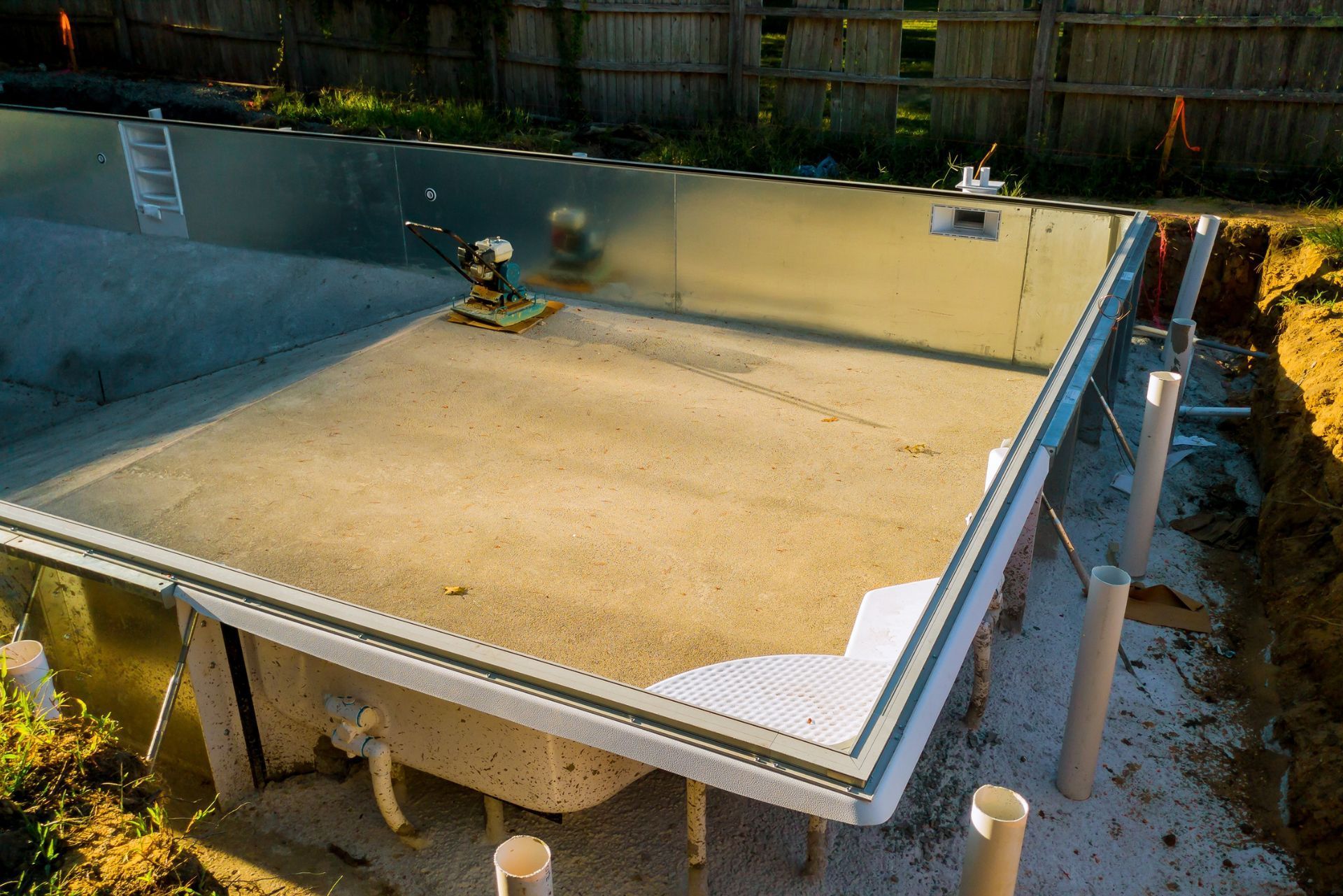
The period during pool construction presents unique liability exposures that require clear understanding of which party bears responsibility for various risks. Your pool contractor's insurance should provide primary coverage for construction-related incidents, but gaps in their coverage can leave you financially exposed.
Verifying General Liability and Workers Comp
Before any work begins on your property, request certificates of insurance from your pool contractor showing current general liability coverage of at least $1 million per occurrence and workers compensation coverage meeting Virginia's statutory requirements. General liability protects against property damage and injuries to third parties caused by the contractor's work, while workers compensation covers injuries to the contractor's employees. Virginia law requires most employers to carry workers compensation insurance, and contractors without this coverage expose you to potential liability if a worker is injured on your property. Verify that the certificates are current, that your property address is listed as a covered location, and that the policy limits are adequate for the scope of work being performed.
Your homeowners policy may exclude coverage for construction activities or impose conditions that affect your protection during the installation period. Some policies require notification when major construction projects begin, and failure to provide this notice can result in claim denials. Contact your insurance provider before construction starts to confirm your coverage remains in effect and to understand any additional requirements or exclusions that apply.
Steps to Secure Coverage and Lower Your Rates
Taking a systematic approach to pool insurance ensures you obtain adequate protection without paying more than necessary for coverage you do not need.
- Request quotes from multiple carriers, as premium variations of 20 to 40 percent are common for identical coverage levels across different insurers
- Bundle your pool coverage with existing homeowners, auto, and umbrella policies to qualify for multi-policy discounts that can offset premium increases
- Document all safety features with photographs and receipts, providing this information to your insurer to ensure you receive applicable discounts
- Schedule annual policy reviews to adjust coverage as your pool ages and to take advantage of any new discount programs your carrier may offer
- Maintain a claims-free record by addressing maintenance issues promptly and enforcing pool safety rules consistently
Working with an independent insurance agency provides access to multiple carriers and coverage options that may not be available through direct insurers or captive agents. ABP Insurance, with over 150 years of combined experience and service in nine languages including Spanish, Vietnamese, and Korean, can compare pool insurance options across numerous top carriers to identify the coverage that best matches your needs and budget.
Frequently Asked Questions
Does my homeowners insurance automatically cover my new pool? Most policies extend some coverage to pools, but the limits are often inadequate. Contact your insurer before installation to confirm coverage and discuss necessary increases.
How much will my insurance increase after installing a pool? Virginia homeowners typically see increases of $50 to $200 annually for the pool itself, plus any liability coverage enhancements you add.
Do I need a separate pool insurance policy? Separate pool policies are generally unnecessary for residential installations. Your homeowners policy, properly endorsed, should provide adequate protection.
What happens if someone drowns in my pool? Liability claims for drowning incidents frequently exceed $1 million. Umbrella coverage provides essential protection against these catastrophic claims.
Will my insurance cover pool equipment like heaters and pumps? Equipment is typically covered under your dwelling or other structures coverage, subject to your policy's terms and deductibles.
Securing proper pool installation insurance in Virginia requires balancing adequate protection against the liability exposures a pool creates with reasonable premium costs that fit your budget. The investment in appropriate coverage, including increased liability limits and umbrella protection, represents a small fraction of your overall pool investment while providing financial security against claims that could otherwise devastate your family's finances. Virginia's safety requirements establish minimum standards, but exceeding those minimums through additional safety features benefits both your family's protection and your insurance costs.
If you are planning a pool installation or have questions about your current coverage,
contact ABP Insurance
to speak with a knowledgeable agent who can evaluate your specific situation and identify the most appropriate coverage options from multiple top carriers.
Our Reviews
Trusted Advice, Proven Results
See what our clients have to say about their experience working with us, or share feedback about your experience.

PERSONAL INSURANCE
Protect What Matters Most
Home, auto, and life coverage at competitive rates from 25+ carriers.
Home Insurance
Covers your home and belongings from events like fire, theft, or storms. Ensures peace of mind with clear, reliable coverage for houses, condos, apartments, and rentals
Auto Insurance
Covers vehicle repairs, liability, and medical costs from accidents. Protects you and your car with easy-to-understand policies that meet Virginia requirements.
Umbrella Insurance
Provides extra liability coverage beyond home and auto policies. Adds protection for unexpected situations that exceed your standard policy limits.
Renters Insurance
Covers your personal belongings and provides liability protection if you rent your home. Replaces items damaged by fire, theft, or water at a low monthly cost.
Condo Insurance
Fills the coverage gaps your HOA master policy leaves open. Protects your unit's interior, personal property, and liability from covered losses.
Classic & Specialty Vehicles
Coverage for classic cars, motorcycles, ATVs, boats, and RVs. We partner with specialty carriers like Hagerty to protect vehicles that standard auto policies do not cover.
BUSINESS INSURANCE
Secure What You've Built
Coverage solutions for growing companies backed by decades of commercial experience.






INDUSTRIES WE SERVE
Virginia's Businesses We Protect
Insurance solutions to help Virginia businesses protect their assets, employees, and operations.


FAQs
Your Questions, Answered
Explore our FAQs to get answers to some of the most common questions about our insurance solutions and services.
What languages do your agents speak?
We have agents who are fluent in Spanish, Vietnamese, Mandarin, Cantonese, Korean, Hindi, Urdu, and Punjabi. If you prefer a language other than English, just let us know!
Who do you typically work with?
We work with clients at all stages of life—from young professionals and growing families to high-net-worth individuals and retirees. We work with both small and large companies. No matter where you are on your journey, we can provide insurance solutions that align with your needs.
How do I get started?
It’s easy! Simply click here to get started. From there you will be able to seamlessly transfer your current coverage information to us or answer a few questions and one of our agents will be in touch.
How do you charge for your services?
We never charge fees for our service. As independent agents, we are paid by the insurance company after the policies you select are issued. Our compensation is a small percentage of the policy premium.
What makes ABP Insurance different from other insurance providers?
ABP Insurance is an independent agency. We work with over 25 insurance carriers to find the best coverage and rates for your needs. We do not represent a single company — we represent you. Our team also speaks nine languages, making us one of the most accessible agencies in Northern Virginia. We combine modern technology with personal service so clients get fast quotes, clear explanations, and ongoing support throughout their policy term.
What areas does ABP Insurance serve?
Our office is in Falls Church, Virginia, and we serve clients throughout Northern Virginia, the greater D.C. metro area, and beyond. We currently write policies in Virginia, Maryland, Washington D.C., Massachusetts, New Hampshire, Maine, Georgia, Texas, and North Carolina. Because we work with many of the largest national carriers, we can often help clients who own property in multiple states or who are relocating.
Contact Us
Phone Number:
703-846-0558
Email Address:
info@abpinsurance.com
Located at: 8315 US-29 Ste 215, Fairfax, VA 22031, United States
In-Person by Appointment Only