
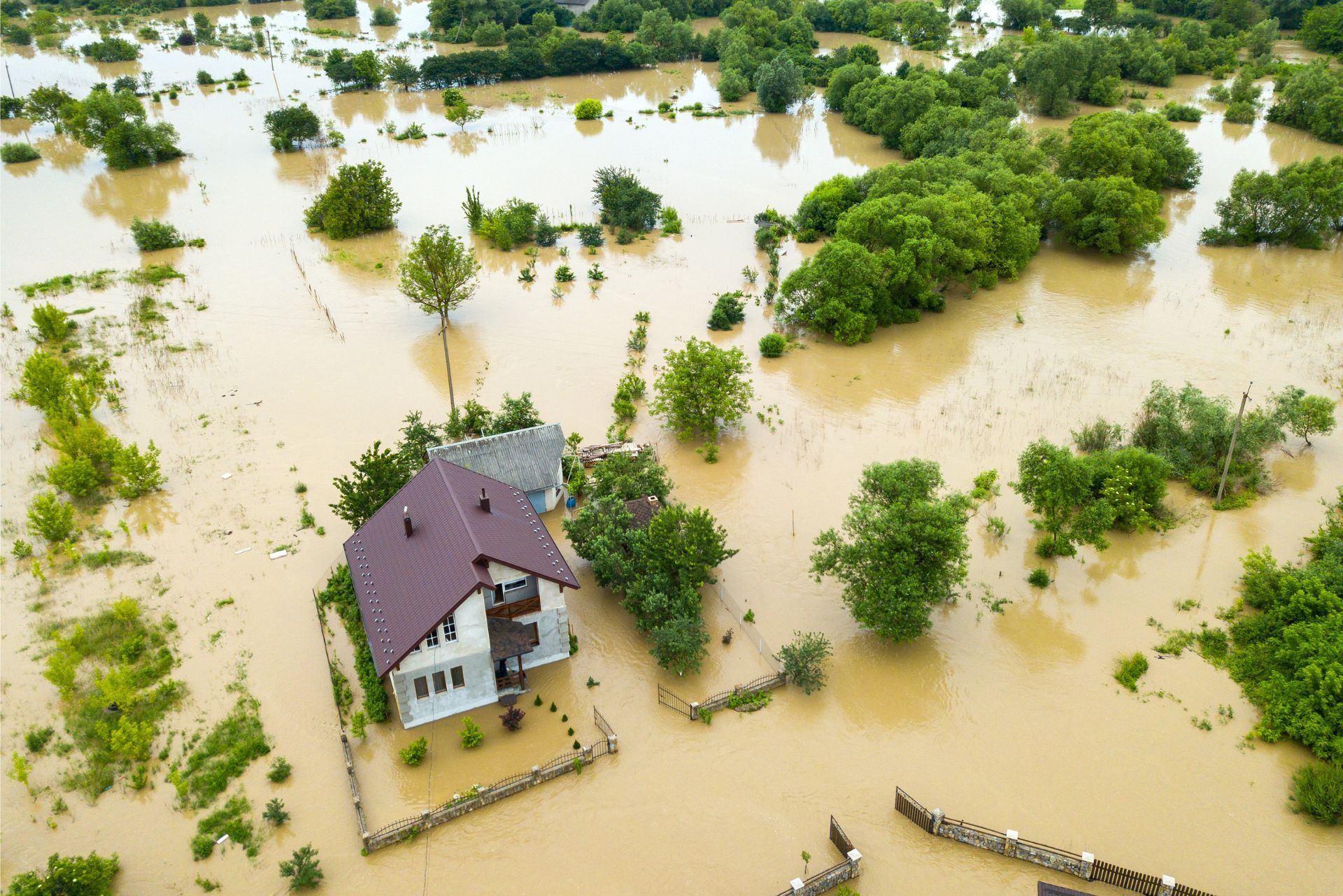
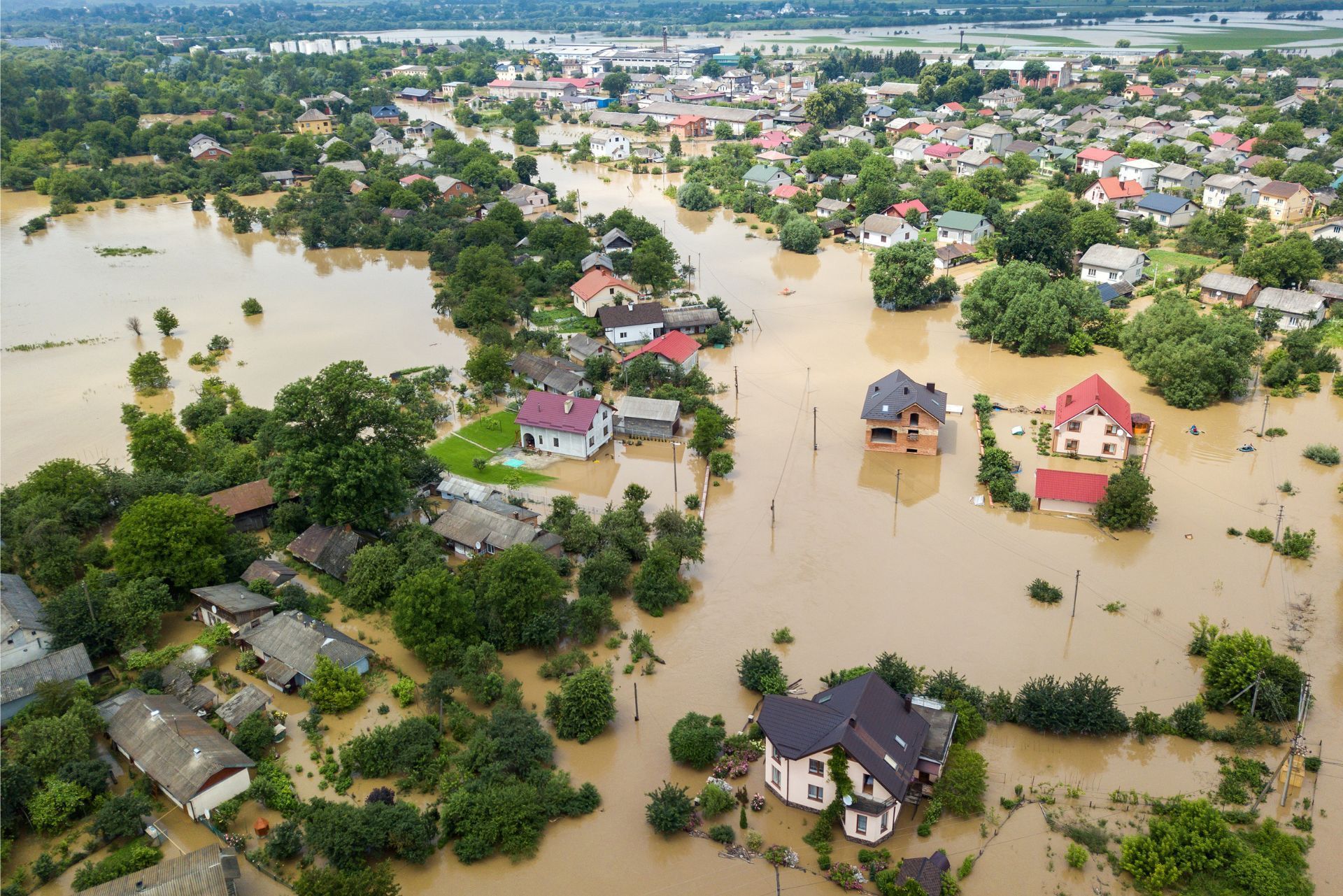
Virginia faces a unique combination of flood threats that many homeowners and business owners underestimate until disaster strikes. From the hurricane-prone coastlines of Virginia Beach and Norfolk to the flash flood corridors of the Shenandoah Valley, properties across the Commonwealth experience billions of dollars in water damage each year. Standard
homeowners insurance policies do not cover flood damage, leaving countless Virginia residents financially vulnerable when waters rise. Understanding flood insurance in Virginia, including coverage options, cost factors, and mandatory requirements, is essential for protecting your property and financial future. The National Flood Insurance Program reports that just one inch of floodwater can cause more than $25,000 in damage to an average home, yet many Virginians remain uninsured or underinsured against this peril. Whether you reside in a designated high-risk flood zone or an area that has historically seemed safe, the changing climate patterns and increased development throughout Virginia have altered flood risk calculations significantly. This guide examines the critical aspects of securing proper flood protection, from understanding your specific risk profile to navigating the claims process when the unexpected occurs.
Understanding Flood Risk in Virginia
Virginia's geography creates diverse flood exposure across the state, with both coastal and inland regions facing distinct challenges that require different protective strategies. The Commonwealth ranks among the top fifteen states nationally for flood claims, with thousands of properties experiencing repeated flood losses over the past several decades.
Coastal vs. Inland Flooding Hazards
Coastal communities in Hampton Roads, the Eastern Shore, and the Northern Neck face storm surge threats from hurricanes and nor'easters that can push ocean water miles inland within hours. Norfolk and Virginia Beach have experienced some of the most significant tidal flooding increases on the East Coast, with nuisance flooding events occurring more than ten times as frequently as they did in the 1960s. Inland regions face different but equally serious threats, including riverine flooding along the James, Rappahannock, and Potomac Rivers, as well as flash flooding in mountainous areas where steep terrain channels rainfall into narrow valleys. Northern Virginia's rapid development has increased impervious surface coverage, causing stormwater runoff that overwhelms drainage systems during heavy precipitation events.
The Role of FEMA Flood Maps in Virginia
FEMA's Flood Insurance Rate Maps designate properties into risk zones that determine insurance requirements and premium calculations. High-risk zones, labeled as Special Flood Hazard Areas with designations like AE, VE, and A, indicate areas with a one percent or greater annual chance of flooding. Moderate-to-low risk zones, designated as B, C, or X, still experience approximately 25 percent of all flood claims nationally, demonstrating that flood risk extends well beyond mapped hazard areas. Virginia's flood maps undergo periodic updates, and properties that were once considered low-risk may find themselves reclassified following new studies. Property owners should verify their current zone designation through FEMA's Map Service Center, as outdated assumptions about flood risk can prove costly.

By: Keri Park
Director of Client Experience
Property owners in Virginia have two primary pathways for obtaining flood coverage, each offering distinct advantages depending on individual circumstances and coverage needs.
National Flood Insurance Program (NFIP) Basics
The NFIP, administered by FEMA, provides standardized flood coverage available to any property owner in participating communities throughout Virginia. All Virginia localities participate in the NFIP, making federal flood insurance accessible statewide. Coverage limits under the NFIP cap at $250,000 for residential building structures and $100,000 for personal contents, with commercial properties eligible for up to $500,000 in building coverage. NFIP policies are sold through licensed insurance agents but backed by the federal government, ensuring consistent terms and claims handling regardless of which agent writes the policy. Premiums are calculated using standardized rating factors, though FEMA's recent Risk Rating 2.0 methodology has introduced more property-specific pricing.
Benefits of Private Flood Insurance Markets
Private flood insurers have expanded significantly in Virginia, offering alternatives that may provide higher coverage limits, broader policy terms, and competitive pricing for certain properties. Private policies can exceed NFIP limits substantially, providing coverage amounts that better reflect actual replacement costs for high-value homes. Many private insurers offer additional coverages not available through the NFIP, including loss of use expenses, basement contents coverage, and replacement cost valuation without depreciation deductions. Working with an
independent insurance agency like ABP Insurance allows property owners to compare both NFIP and private options simultaneously, ensuring the most appropriate coverage at the best available rate.
What Virginia Flood Insurance Covers
Understanding precisely what flood policies protect, and what they exclude, prevents unpleasant surprises during the claims process.
Building Property Coverage Limits
Building coverage protects the physical structure, including the foundation, electrical and plumbing systems, HVAC equipment, built-in appliances, and permanently installed carpeting. Detached structures such as garages and sheds require separate coverage or specific policy endorsements. NFIP policies cover items in basements only on a limited basis, typically restricting coverage to essential building systems like furnaces and water heaters while excluding finished basement improvements.
| Coverage Type | NFIP Maximum | Private Market |
|---|---|---|
| Residential Building | $250,000 | $1,000,000+ |
| Residential Contents | $100,000 | $1,000,000+ |
| Commercial Building | $500,000 | $5,000,000+ |
| Basement Contents | Limited | Varies by policy |
| Loss of Use | Not covered | Often included |
Personal Contents and Belongings
Contents coverage protects personal property, including furniture, electronics, clothing, and other movable items damaged by floodwaters. Valuable items such as artwork, jewelry, and collectibles may have sublimits that require additional coverage for full protection. Contents coverage is purchased separately from building coverage under NFIP policies, and property owners should document their belongings through inventory lists and photographs to facilitate claims processing.
Factors Influencing Premiums and Costs
Flood insurance costs in Virginia vary dramatically based on property-specific factors, with annual premiums ranging from a few hundred dollars to several thousand depending on risk characteristics.
Impact of FEMA's Risk Rating 2.0
FEMA's Risk Rating 2.0 methodology, implemented in 2021, calculates premiums based on individual property characteristics rather than relying primarily on flood zone designations. The new rating system considers factors including distance to water sources, flood frequency, types of flooding, and property-specific elevation data. Some Virginia property owners have seen premium decreases under the new system, while others, particularly those with high-value homes near water, have experienced significant increases. Premium changes are being phased in gradually, with annual increases capped at 18 percent for most existing policyholders until rates reach their full actuarial level.
Cost Mitigation through Elevation and Flood Venting
Property owners can reduce flood insurance premiums through structural improvements that minimize potential damage. Elevating a structure above the Base Flood Elevation can generate substantial premium savings, though renovation costs must be weighed against long-term insurance savings. Installing flood vents in enclosed areas below the lowest floor allows water to flow through rather than exerting hydrostatic pressure on foundation walls, potentially qualifying properties for lower rates. An Elevation Certificate, prepared by a licensed surveyor, documents a property's elevation relative to flood levels and often results in more accurate, and frequently lower, premium calculations.
Virginia State Rules and Mandatory Purchase Requirements
Virginia follows federal flood insurance requirements while participating in community-level floodplain management programs that can affect both availability and cost of coverage.
Lender Requirements for High-Risk Zones
Federal law mandates flood insurance for properties with federally backed mortgages located in Special Flood Hazard Areas. Lenders must verify flood zone status at loan origination and monitor for zone changes throughout the loan term. Required coverage amounts must equal the lesser of the outstanding loan balance, the maximum available under NFIP, or the replacement cost of the structure. Properties outside high-risk zones face no federal purchase mandate, though lenders may impose requirements based on their own risk assessments.
The 30-Day Waiting Period Rule
Standard NFIP policies include a 30-day waiting period before coverage becomes effective, preventing property owners from purchasing insurance only when storms threaten. Exceptions to the waiting period include policies purchased in connection with mortgage loans, where coverage takes effect at closing, and policies purchased following map revisions that newly designate a property as high-risk. Private flood insurers may offer shorter waiting periods, sometimes as brief as ten days, providing faster protection for property owners who recognize their exposure.
How to Secure Coverage and File a Claim
Obtaining flood insurance begins with determining your property's flood zone and evaluating coverage needs based on structure value and contents. Request quotes from both NFIP and private insurers to compare options, as pricing and coverage terms can vary significantly between providers. An independent agency with access to multiple carriers, such as ABP Insurance with its team of multilingual agents serving clients in nine languages, can streamline this comparison process and identify the most appropriate coverage for your specific situation.
When filing a flood claim, documentation proves essential for successful resolution. Photograph all damage before beginning cleanup, separate damaged items from undamaged property, and maintain detailed records of all repair expenses. Contact your insurance agent immediately after flooding occurs, as NFIP policies require notice of loss within 60 days. Adjusters will inspect the property to assess damage, and policyholders should accompany them during inspections to ensure all damage is documented.
Frequently Asked Questions
Do I need flood insurance if my property is not in a high-risk zone? Properties outside high-risk zones still file approximately one-quarter of all flood claims, and coverage in these areas often costs significantly less than in designated hazard areas.
Can I purchase flood insurance if I rent my home? Renters can purchase contents-only flood insurance to protect personal belongings, though building coverage remains the property owner's responsibility.
How long does it take to receive payment after filing a claim? NFIP claims typically receive advance payments within 30 days of the adjuster's inspection, with final settlement following completion of all documentation.
Does flood insurance cover my vehicle? Flood damage to vehicles is covered under comprehensive auto insurance, not flood policies, which protect only real property and contents.
Will my premium increase after filing a claim? NFIP premiums are not directly increased based on claims history, though Risk Rating 2.0 factors may affect rates over time.
Your Next Steps for Flood Protection
Securing appropriate flood coverage requires understanding your specific risk exposure, comparing available options, and acting before flood threats materialize. Virginia property owners face genuine flood risks regardless of their location, and the financial protection provided by adequate coverage far outweighs premium costs when disaster strikes. Review your current coverage, obtain an Elevation Certificate if you do not have one, and consult with an experienced insurance professional to ensure your property and belongings are properly protected. To explore your flood insurance options and find coverage tailored to your needs,
contact ABP Insurance
for a free quote or consultation with one of our knowledgeable agents.
Our Reviews
Trusted Advice, Proven Results
See what our clients have to say about their experience working with us, or share feedback about your experience.

PERSONAL INSURANCE
Protect What Matters Most
Home, auto, and life coverage at competitive rates from 25+ carriers.
Home Insurance
Covers your home and belongings from events like fire, theft, or storms. Ensures peace of mind with clear, reliable coverage for houses, condos, apartments, and rentals
Auto Insurance
Covers vehicle repairs, liability, and medical costs from accidents. Protects you and your car with easy-to-understand policies that meet Virginia requirements.
Umbrella Insurance
Provides extra liability coverage beyond home and auto policies. Adds protection for unexpected situations that exceed your standard policy limits.
Renters Insurance
Covers your personal belongings and provides liability protection if you rent your home. Replaces items damaged by fire, theft, or water at a low monthly cost.
Condo Insurance
Fills the coverage gaps your HOA master policy leaves open. Protects your unit's interior, personal property, and liability from covered losses.
Classic & Specialty Vehicles
Coverage for classic cars, motorcycles, ATVs, boats, and RVs. We partner with specialty carriers like Hagerty to protect vehicles that standard auto policies do not cover.
BUSINESS INSURANCE
Secure What You've Built
Coverage solutions for growing companies backed by decades of commercial experience.






INDUSTRIES WE SERVE
Virginia's Businesses We Protect
Insurance solutions to help Virginia businesses protect their assets, employees, and operations.



FAQs
Your Questions, Answered
Explore our FAQs to get answers to some of the most common questions about our insurance solutions and services.
What languages do your agents speak?
We have agents who are fluent in Spanish, Vietnamese, Mandarin, Cantonese, Korean, Hindi, Urdu, and Punjabi. If you prefer a language other than English, just let us know!
Who do you typically work with?
We work with clients at all stages of life—from young professionals and growing families to high-net-worth individuals and retirees. We work with both small and large companies. No matter where you are on your journey, we can provide insurance solutions that align with your needs.
How do I get started?
It’s easy! Simply click here to get started. From there you will be able to seamlessly transfer your current coverage information to us or answer a few questions and one of our agents will be in touch.
How do you charge for your services?
We never charge fees for our service. As independent agents, we are paid by the insurance company after the policies you select are issued. Our compensation is a small percentage of the policy premium.
What makes ABP Insurance different from other insurance providers?
ABP Insurance is an independent agency. We work with over 25 insurance carriers to find the best coverage and rates for your needs. We do not represent a single company — we represent you. Our team also speaks nine languages, making us one of the most accessible agencies in Northern Virginia. We combine modern technology with personal service so clients get fast quotes, clear explanations, and ongoing support throughout their policy term.
What areas does ABP Insurance serve?
Our office is in Falls Church, Virginia, and we serve clients throughout Northern Virginia, the greater D.C. metro area, and beyond. We currently write policies in Virginia, Maryland, Washington D.C., Massachusetts, New Hampshire, Maine, Georgia, Texas, and North Carolina. Because we work with many of the largest national carriers, we can often help clients who own property in multiple states or who are relocating.
Contact Us
Phone Number:
703-846-0558
Email Address:
info@abpinsurance.com
Located at: 8315 US-29 Ste 215, Fairfax, VA 22031, United States
In-Person by Appointment Only