
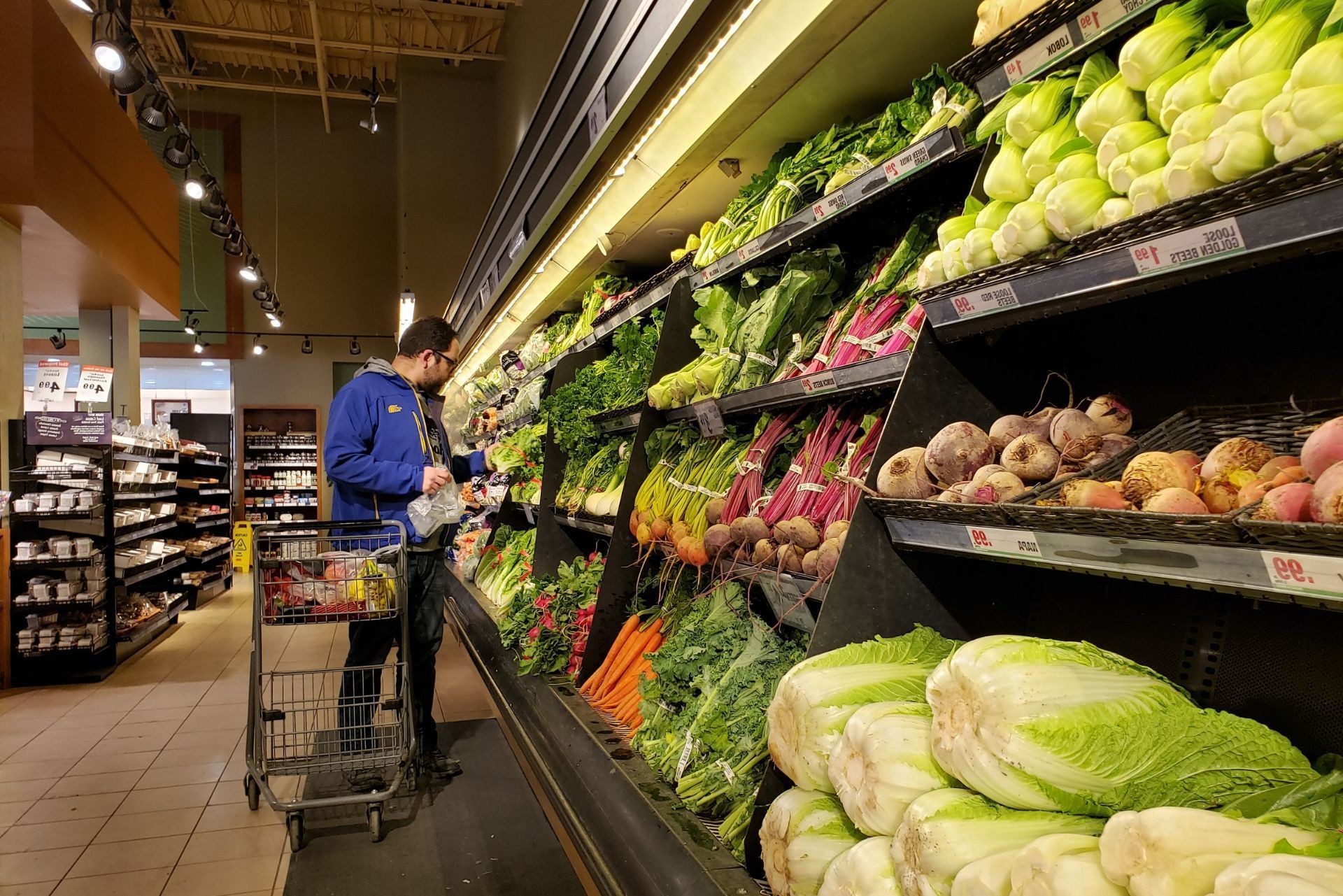
A single slip on a wet floor can cost your Virginia grocery store tens of thousands of dollars in legal fees and medical expenses, turning an ordinary Tuesday into a financial nightmare that threatens everything you have built. Running an independent grocery store in the Commonwealth means juggling countless responsibilities, from managing inventory and staffing to ensuring food safety compliance, and the last thing you need is an insurance gap that leaves your business exposed. Understanding grocery store insurance in Virginia, including coverage options, cost factors, and regulatory requirements, is essential for protecting your livelihood and your customers.
Virginia presents unique challenges for grocery store owners, from coastal flooding risks in Hampton Roads to urban crime concerns in Richmond and Northern Virginia. Your store faces hazards that general retail businesses simply do not encounter: refrigeration failures that spoil thousands of dollars in perishable goods, customers who may become ill from contaminated products, and employees who work with heavy equipment and sharp tools daily. The right insurance program addresses these specific vulnerabilities while keeping premiums manageable for independent operators competing against national chains.
Whether you operate a small neighborhood market in Charlottesville or a full-service grocery in Virginia Beach, your insurance needs extend far beyond a basic business policy. The Commonwealth imposes specific requirements that grocery store owners must satisfy, and failing to maintain proper coverage can result in fines, license revocation, or personal liability that pierces through your business structure.
Essential Insurance Coverages for Virginia Grocery Stores
Grocery stores face a distinctive combination of risks that require specialized coverage solutions, and understanding each policy type helps you build comprehensive protection without paying for unnecessary add-ons.
General Liability and Slip-and-Fall Protection
General liability insurance forms the foundation of any grocery store insurance program, covering bodily injury and property damage claims that arise from your business operations. Slip-and-fall accidents represent the most common liability exposure for grocery stores, occurring when customers encounter wet floors from produce misters, spilled liquids, or tracked-in rain and snow. A customer who breaks a hip after slipping on a grape can pursue damages exceeding $100,000, including medical bills, lost wages, and pain and suffering.
Your general liability policy also covers product liability claims if a customer becomes ill from food purchased at your store. Contaminated deli meats, improperly stored dairy products, or mislabeled allergens can all trigger lawsuits that your policy must defend. Most Virginia grocery stores should carry at least $1 million per occurrence and $2 million aggregate in general liability coverage, though stores with higher foot traffic or extensive prepared food operations may need increased limits.
Commercial Property and Inventory Spoilage
Commercial property insurance protects your building, equipment, fixtures, and inventory from covered perils like fire, theft, vandalism, and certain weather events. For grocery stores, standard property coverage must be supplemented with spoilage coverage that pays for inventory losses when refrigeration equipment fails or power outages occur. Virginia summers can bring severe thunderstorms that knock out power for extended periods, and a single night without refrigeration can destroy thousands of dollars in meat, dairy, and frozen goods.
Equipment breakdown coverage is often added to property policies, paying for mechanical and electrical failures in refrigeration units, HVAC systems, and point-of-sale equipment. This coverage also pays for the spoiled inventory that results from equipment failures, providing comprehensive protection against one of the most significant financial risks grocery stores face.
Liquor Liability for Beer and Wine Sales
Virginia permits grocery stores to sell beer and wine, and if your store holds an ABC license, you need liquor liability insurance. This coverage protects your business if an intoxicated customer causes injury or property damage after purchasing alcohol from your store. Virginia follows dram shop principles that can hold alcohol retailers partially responsible for damages caused by visibly intoxicated patrons.
Liquor liability coverage is typically written as a separate policy or endorsement, with premiums based on your alcohol sales volume. Stores that derive a significant portion of revenue from beer and wine sales should expect higher premiums, but operating without this coverage exposes your business to catastrophic liability.
By: Venee Galloway, CPCU, CBIA, CLCS, SBCS
Director of Commercial Insurance
Virginia-Specific Regulatory Requirements
The Commonwealth imposes specific insurance mandates that grocery store owners must satisfy to operate legally and protect their employees.
Workers' Compensation Laws in the Commonwealth
Virginia requires all employers with three or more employees to carry workers' compensation insurance, though many grocery stores with fewer employees still purchase coverage voluntarily. Workers' compensation pays medical expenses and lost wages for employees injured on the job, from back injuries sustained while stocking shelves to cuts from deli slicers. Your policy also protects your business from employee lawsuits related to workplace injuries, as workers' compensation provides the exclusive remedy for covered claims.
Grocery store workers face elevated injury risks compared to many retail sectors, handling heavy boxes, operating equipment, and working in environments with wet floors and temperature extremes. Your workers' compensation premiums are calculated based on payroll and job classifications, with higher rates applied to positions involving greater physical risk.
Commercial Auto Insurance for Delivery Services
If your grocery store offers delivery services or uses vehicles for any business purpose, Virginia requires commercial auto insurance. Personal auto policies do not cover vehicles used for business activities, and operating without proper commercial coverage can void your personal policy while leaving your business exposed. Delivery drivers face accident risks that can generate substantial liability claims, particularly if injuries occur.
Virginia mandates minimum liability limits of $30,000 per person and $60,000 per accident for bodily injury, plus $20,000 for property damage. However, these minimums are inadequate for most business operations, and grocery stores should carry at least $500,000 in combined single limit coverage.
Factors Influencing Grocery Insurance Costs
Insurance premiums for Virginia grocery stores vary significantly based on multiple factors that underwriters evaluate when pricing your coverage.
Store Size, Revenue, and Annual Payroll
Larger stores with higher revenues present greater exposure for insurers, resulting in higher premiums across most coverage lines. A 20,000-square-foot supermarket with $5 million in annual sales will pay substantially more than a 3,000-square-foot corner market generating $500,000. Your payroll directly affects workers' compensation costs, as premiums are calculated by applying a rate per $100 of payroll for each job classification.
General liability premiums often use revenue or square footage as the primary rating basis, while property insurance depends on the replacement cost of your building and contents. Providing accurate information during the application process ensures you receive appropriate coverage without overpaying based on inflated estimates.
Location Risks and Crime Rates in Virginia Cities
Your store's physical location significantly impacts insurance costs, with urban locations in Richmond, Norfolk, and Northern Virginia typically commanding higher premiums than rural areas. Crime rates affect both property insurance and general liability costs, as stores in high-crime areas experience more theft, vandalism, and potentially violent incidents. Flood zones along Virginia's coast and rivers require separate flood insurance policies, adding to overall insurance expenses for stores in these areas.
Safety Protocols and Claims History
Your claims history serves as the strongest predictor of future losses, and stores with frequent claims pay substantially higher premiums than those with clean records. Implementing documented safety protocols, conducting regular employee training, and maintaining equipment properly all demonstrate risk management commitment that insurers reward with lower rates.

Independent grocery stores in Virginia can expect to pay between $8,000 and $25,000 annually for a comprehensive insurance program, though this range varies based on the factors discussed above. The following table provides general premium estimates for common coverage types:
| Coverage Type | Small Market (Under $1M Revenue) | Mid-Size Grocer ($1M-$5M Revenue) |
|---|---|---|
| General Liability | $2,000 - $4,500 | $4,500 - $9,000 |
| Commercial Property | $1,500 - $3,500 | $3,500 - $8,000 |
| Workers' Compensation | $2,500 - $6,000 | $6,000 - $15,000 |
| Spoilage Coverage | $500 - $1,200 | $1,200 - $3,000 |
| Liquor Liability | $800 - $2,000 | $2,000 - $5,000 |
These figures represent estimates only, and your actual premiums depend on your specific circumstances, location, and claims history.
Proactive risk management reduces both your insurance costs and the likelihood of experiencing costly claims.
Implementing Robust Food Safety Standards
Documented food safety programs that exceed minimum requirements demonstrate your commitment to preventing contamination incidents. Regular temperature monitoring, proper food handling training, and HACCP-based protocols reduce product liability exposure while potentially qualifying your store for premium credits. Maintaining detailed records of food safety compliance provides valuable evidence if claims arise.
Security Enhancements and Surveillance Systems
Modern surveillance systems, proper lighting, and access controls reduce theft, vandalism, and slip-and-fall fraud. Many insurers offer premium discounts for stores with comprehensive security measures, and video documentation can help defend against fraudulent claims. Working with an independent insurance agency like ABP Insurance Agency, Inc. helps identify which security investments provide the greatest premium savings.
Frequently Asked Questions
How much does grocery store insurance cost in Virginia? Most independent grocers pay between $8,000 and $25,000 annually for comprehensive coverage, depending on store size, location, and claims history.
Do I need liquor liability insurance if I only sell beer and wine? Yes, any store holding a Virginia ABC license for alcohol sales should carry liquor liability coverage to protect against dram shop claims.
Is workers' compensation required for small grocery stores? Virginia mandates workers' compensation for employers with three or more employees, though smaller stores often purchase coverage voluntarily.
Does my property insurance cover spoiled inventory from power outages? Standard property policies typically exclude spoilage losses, so you need a specific spoilage or equipment breakdown endorsement.
Can I reduce my premiums with a clean claims history? Absolutely. Stores with few or no claims over three to five years often qualify for significant premium reductions.
Securing the Right Policy for Your Virginia Business
Protecting your Virginia grocery store requires coverage that addresses your specific risks without burdening your budget with unnecessary expenses. The right insurance program combines general liability, property protection, workers' compensation, and specialized coverages like spoilage and liquor liability into a comprehensive package tailored to your operations. Working with an independent agency that shops multiple carriers ensures you receive competitive rates while maintaining the coverage your business requires.
ABP Insurance Agency, Inc. serves grocery store owners throughout Virginia with multilingual support in nine languages and access to top-rated carriers. If you are ready to review your current coverage or obtain quotes for a new policy,
contact our team to speak with an experienced agent who understands the unique insurance needs of Virginia grocery operations.
Our Reviews
Trusted Advice, Proven Results
See what our clients have to say about their experience working with us, or share feedback about your experience.

PERSONAL INSURANCE
Protect What Matters Most
Home, auto, and life coverage at competitive rates from 25+ carriers.
Home Insurance
Covers your home and belongings from events like fire, theft, or storms. Ensures peace of mind with clear, reliable coverage for houses, condos, apartments, and rentals
Auto Insurance
Covers vehicle repairs, liability, and medical costs from accidents. Protects you and your car with easy-to-understand policies that meet Virginia requirements.
Umbrella Insurance
Provides extra liability coverage beyond home and auto policies. Adds protection for unexpected situations that exceed your standard policy limits.
Renters Insurance
Covers your personal belongings and provides liability protection if you rent your home. Replaces items damaged by fire, theft, or water at a low monthly cost.
Condo Insurance
Fills the coverage gaps your HOA master policy leaves open. Protects your unit's interior, personal property, and liability from covered losses.
Classic & Specialty Vehicles
Coverage for classic cars, motorcycles, ATVs, boats, and RVs. We partner with specialty carriers like Hagerty to protect vehicles that standard auto policies do not cover.
BUSINESS INSURANCE
Secure What You've Built
Coverage solutions for growing companies backed by decades of commercial experience.






INDUSTRIES WE SERVE
Virginia's Businesses We Protect
Insurance solutions to help Virginia businesses protect their assets, employees, and operations.



FAQs
Your Questions, Answered
Explore our FAQs to get answers to some of the most common questions about our insurance solutions and services.
What languages do your agents speak?
We have agents who are fluent in Spanish, Vietnamese, Mandarin, Cantonese, Korean, Hindi, Urdu, and Punjabi. If you prefer a language other than English, just let us know!
Who do you typically work with?
We work with clients at all stages of life—from young professionals and growing families to high-net-worth individuals and retirees. We work with both small and large companies. No matter where you are on your journey, we can provide insurance solutions that align with your needs.
How do I get started?
It’s easy! Simply click here to get started. From there you will be able to seamlessly transfer your current coverage information to us or answer a few questions and one of our agents will be in touch.
How do you charge for your services?
We never charge fees for our service. As independent agents, we are paid by the insurance company after the policies you select are issued. Our compensation is a small percentage of the policy premium.
What makes ABP Insurance different from other insurance providers?
ABP Insurance is an independent agency. We work with over 25 insurance carriers to find the best coverage and rates for your needs. We do not represent a single company — we represent you. Our team also speaks nine languages, making us one of the most accessible agencies in Northern Virginia. We combine modern technology with personal service so clients get fast quotes, clear explanations, and ongoing support throughout their policy term.
What areas does ABP Insurance serve?
Our office is in Falls Church, Virginia, and we serve clients throughout Northern Virginia, the greater D.C. metro area, and beyond. We currently write policies in Virginia, Maryland, Washington D.C., Massachusetts, New Hampshire, Maine, Georgia, Texas, and North Carolina. Because we work with many of the largest national carriers, we can often help clients who own property in multiple states or who are relocating.
Contact Us
Phone Number:
703-846-0558
Email Address:
info@abpinsurance.com
Located at: 8315 US-29 Ste 215, Fairfax, VA 22031, United States
In-Person by Appointment Only