
A single allegation of abuse or molestation against a home health caregiver can expose an agency to catastrophic financial liability, reputational harm, and regulatory sanctions. The stakes are especially high because the clients receiving care are often elderly, disabled, or otherwise unable to advocate for themselves. For agency owners in Virginia and throughout the country, understanding how abuse and molestation liability intersects with insurance coverage, hiring protocols, and legal defense is not optional: it is a core operational responsibility. Roughly
one in ten adults aged 60 or older experiences some form of elder abuse, and many incidents go unreported for months or even years. This reality places
home health agencies squarely in the crosshairs of plaintiffs' attorneys, state regulators, and insurance underwriters alike. The sections that follow address the full spectrum of risk: from defining vulnerable adults and common allegations, to background screening, insurance limits and exclusions, mandatory reporting, and defense against claims. Whether you operate a small agency with a handful of aides or a
growing enterprise with dozens of caregivers, these considerations shape the viability of your business.
Understanding Abuse and Molestation Liability in Home Health Care
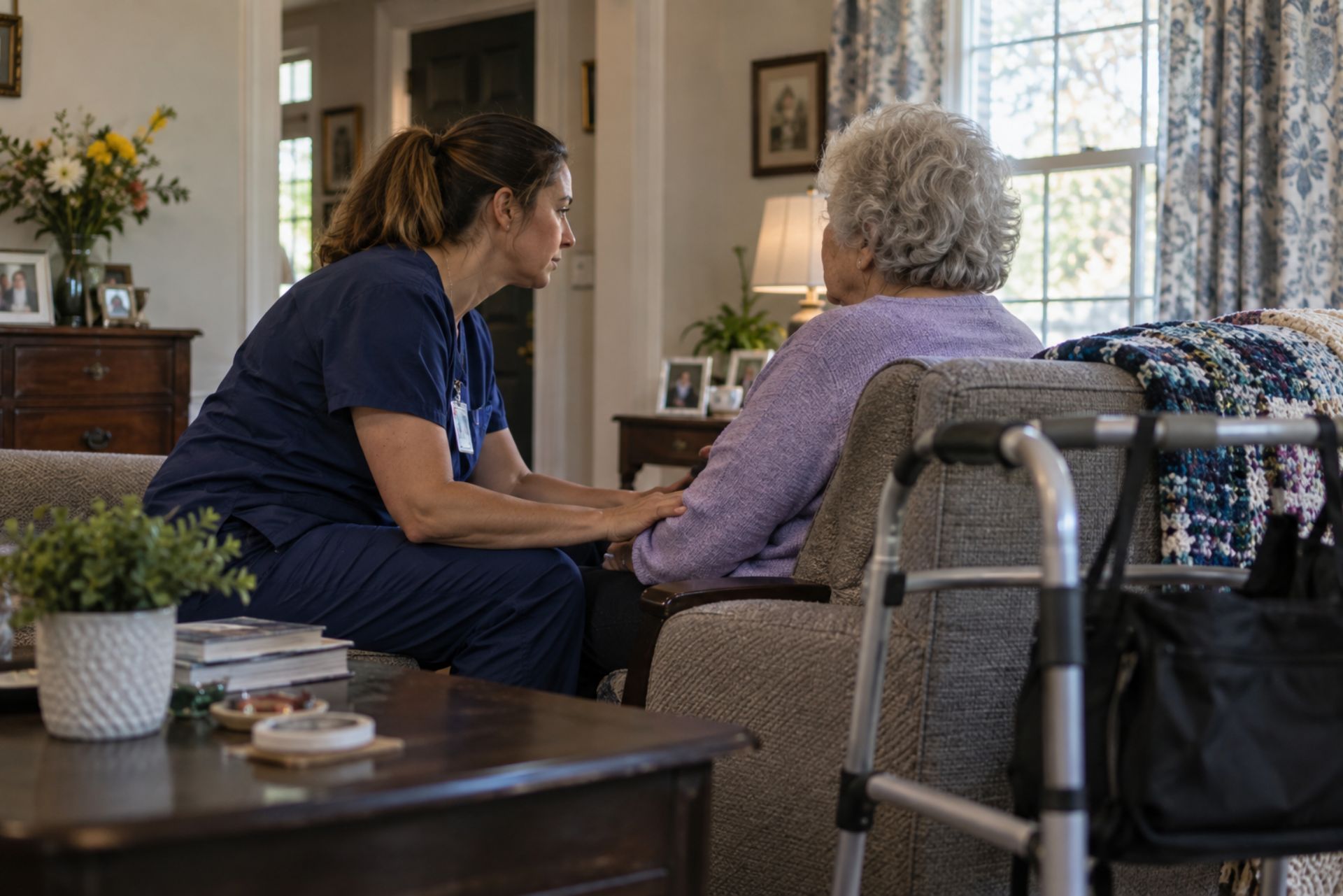
Home health agencies occupy a unique position in the healthcare system because their employees deliver services inside a client's private residence, often without direct supervision. This setting creates both trust and vulnerability. When an allegation of abuse or molestation arises, the agency itself is almost always named as a defendant alongside the individual caregiver, on theories of negligent hiring, negligent supervision, or vicarious liability. The financial exposure from a single claim can easily reach six or seven figures, and the reputational damage may prove even more costly over time.
Defining Vulnerable Adults and the Scope of Risk
Virginia law, like most state statutes, defines a vulnerable adult as any person aged 18 or older who, because of mental or physical incapacity, is unable to protect himself or herself from abuse, neglect, or exploitation. Home health clients frequently meet this definition: they may have dementia, limited mobility, or cognitive impairments that prevent them from reporting mistreatment. The scope of risk extends beyond physical harm. Financial exploitation, where a caregiver gains access to bank accounts, credit cards, or personal property, represents a growing share of substantiated elder abuse cases across the United States. Your agency bears responsibility for every individual who enters a client's home under your name.
Common Allegations: Physical, Emotional, and Financial Abuse
Allegations against home health aides tend to fall into three broad categories. Physical abuse includes hitting, rough handling, improper use of restraints, and medication errors that cause harm. Emotional or psychological abuse involves intimidation, verbal threats, isolation from family, or withholding social interaction. Financial abuse covers theft, unauthorized use of funds, and coercing a vulnerable adult into changing
legal documents such as powers of attorney or wills. Each category carries distinct legal consequences, and many claims involve overlapping allegations. A significant percentage of nursing home and home care abuse incidents are never formally reported, which means the true scope of the problem is almost certainly larger than official data suggest.
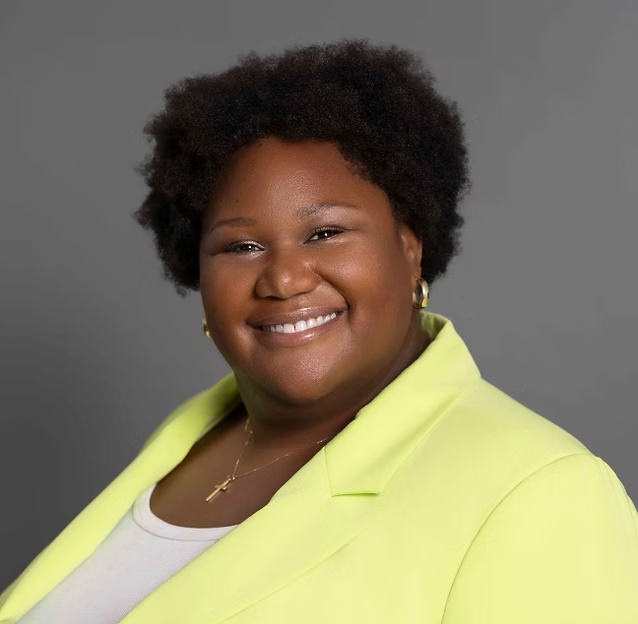
By: Venee Galloway, CPCU, CBIA, CLCS, SBCS
Director of Commercial Insurance
Preventative Measures and Background Check Protocols
Preventing abuse starts well before a caregiver enters a client's home. Your hiring process, training programs, and ongoing monitoring protocols form the first line of defense against both actual misconduct and the liability that follows an allegation.
Standard vs. Enhanced Criminal Record Screenings
A standard background check typically includes a county or state criminal records search, a Social Security number trace, and verification of professional licenses. An enhanced screening goes further: it may incorporate federal criminal databases, sex offender registries in all 50 states, Office of Inspector General exclusion lists, and even international records for candidates who have lived abroad. CMS has proposed updates to strengthen Medicare program integrity that include more rigorous enrollment and screening requirements for home health providers. Virginia agencies should treat enhanced screenings as a baseline, not a luxury, because a missed criminal history can transform a negligent hiring claim from defensible to indefensible. Comprehensive healthcare background checks also typically include verification of education, employment history, and professional references to ensure candidates are who they claim to be.
Implementing Ongoing Monitoring and Training Programs
A background check captures a single moment in time. Ongoing monitoring fills the gap between initial screening and day-to-day supervision. This includes continuous criminal record monitoring services that alert you when an employee has a new arrest or conviction, periodic re-screening at defined intervals (every two to three years is common), and unannounced supervisory visits to client homes. Training should cover recognizing signs of abuse in co-workers, proper documentation of client interactions, and clear protocols for reporting concerns internally. Agencies that document their training programs thoroughly are in a far stronger position to defend against claims that they failed to
supervise their staff.
Insurance Coverage: Limits, Exclusions, and Comparison
Abuse and molestation liability coverage for home health agencies has become increasingly difficult to place, and the terms available in 2026 are considerably more restrictive than they were even five years ago. Understanding what your policy actually covers, and what it excludes, is essential.
Comparison: General Liability vs. Abuse & Molestation Coverage
Many agency owners assume that their
commercial general liability (CGL) policy will respond to an abuse allegation. That assumption is almost always wrong. The table below highlights the key differences.
| Feature | General Liability (CGL) | Abuse & Molestation (A&M) |
|---|---|---|
| Bodily injury from accidents | Covered | Not applicable |
| Sexual abuse or molestation claims | Typically excluded | Primary coverage |
| Physical abuse by a caregiver | Often excluded or sub-limited | Covered (subject to terms) |
| Negligent hiring/supervision | May be excluded if abuse-related | Typically covered |
| Per-occurrence limits | $1M common | $100K to $1M varies |
| Aggregate limits | $2M common | $1M to $3M varies |
| Defense costs | Inside the limit (usually) | May be inside or outside |
| Availability | Widely available | Restricted market |
The distinction matters enormously in practice. If your CGL policy contains an abuse and molestation exclusion, and most do, you could face a seven-figure judgment with no insurance response whatsoever.
Navigating Aggregate Limits and Defense Outside the Limits
Aggregate limits cap the total amount your insurer will pay across all claims during a policy period. For abuse and molestation coverage, aggregates tend to be lower than those on a standard CGL policy. One critical distinction is whether defense costs are paid inside or outside the policy limit. When defense costs erode the aggregate, a prolonged legal battle can consume most of your available coverage before a verdict or settlement is even reached. Only about 13% of insurance carriers now offer sexual abuse and molestation coverage within excess policy limits, which means most agencies must secure standalone policies from specialty markets. Working with an independent agency that has access to multiple carriers, such as ABP Insurance Agency, Inc., gives you a broader view of available options and pricing.
Common Exclusions for Known Prior Acts
Nearly every abuse and molestation policy contains a prior acts exclusion. If your agency knew, or reasonably should have known, that an employee had a history of abusive behavior before the alleged incident, the insurer will deny the claim. This exclusion reinforces why thorough background checks and ongoing monitoring are not just good practice but a condition of maintaining your coverage. Other common exclusions include claims arising from criminal acts committed by an owner or officer of the agency, punitive damages (in states where insuring punitive damages is prohibited), and incidents that occurred before the policy's retroactive date. You should review your policy's exclusion language with a qualified insurance professional at least annually.
Incident Response: Reporting and Defense Strategies
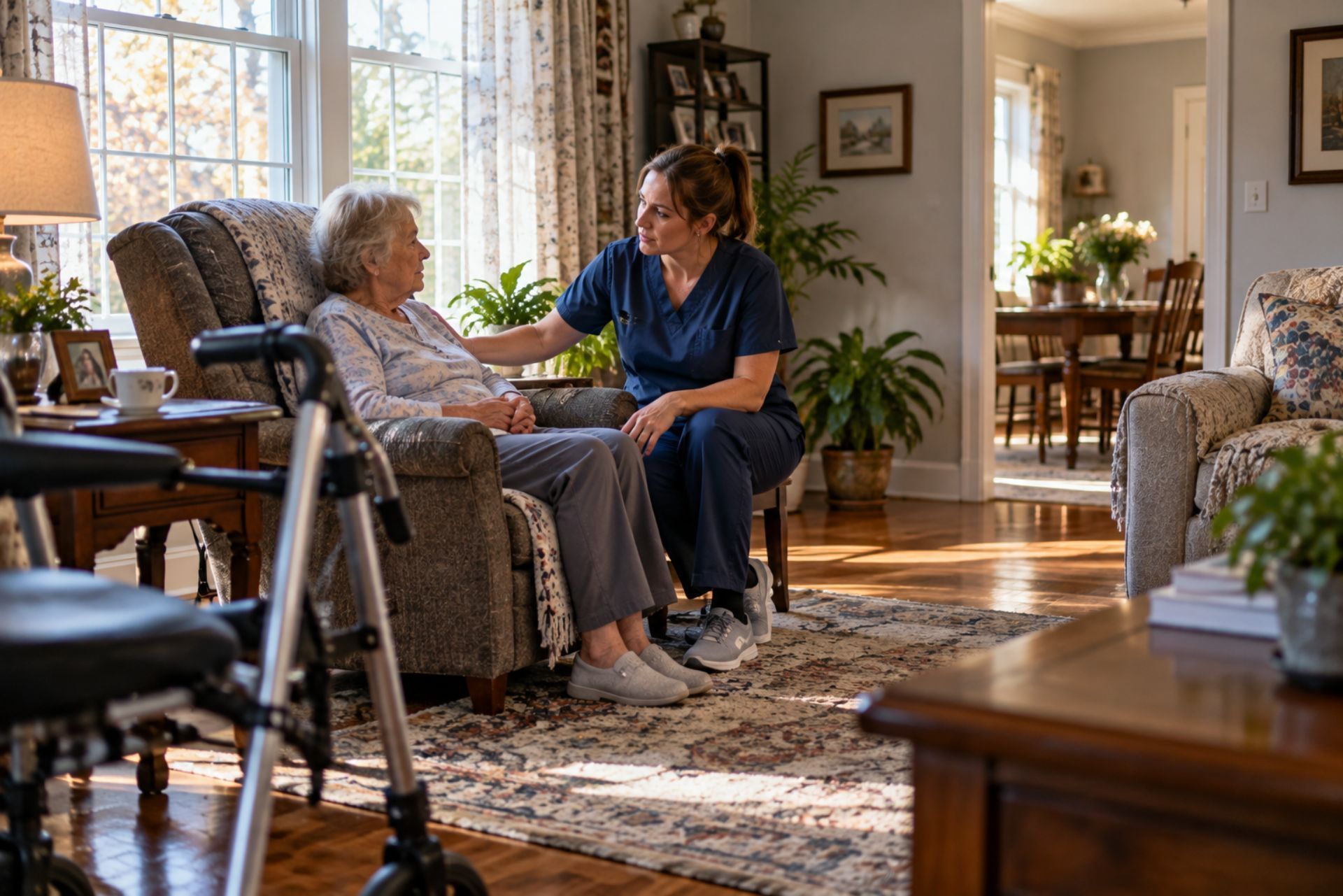
Even the best prevention program cannot eliminate risk entirely. When an allegation surfaces, your response in the first 24 to 48 hours can determine whether the situation is contained or spirals into a protracted legal and regulatory crisis.
Mandatory Reporting Requirements for Home Health Agencies
Virginia law requires home health agencies to report suspected abuse, neglect, or exploitation of vulnerable adults to Adult Protective Services. Federal requirements under CMS home health quality reporting add another layer of obligation for Medicare-certified agencies. Failure to report is itself a violation that can result in fines, loss of licensure, and exclusion from Medicare and Medicaid programs. Your agency should maintain a written incident response plan that identifies who is responsible for making reports, the timeline for doing so, and how internal documentation is handled. Every employee should know the reporting chain before an incident occurs.
Managing Legal Defense Against False Allegations
False allegations do occur, and they can be devastating to an agency and its staff. A caregiver accused of abuse may be suspended or terminated during an investigation, and the agency's reputation may suffer even if the claim is ultimately unfounded. Your abuse and molestation policy should provide a defense obligation, meaning the insurer is required to appoint and pay for legal counsel as soon as a covered claim is made. Document everything from the outset: contemporaneous notes, witness statements, client records, and communication logs. Agencies that maintain detailed care documentation are far better positioned to refute false claims than those that rely on memory and informal records. The
tightening healthcare liability market makes it all the more important to present a strong risk profile to underwriters at renewal.
Frequently Asked Questions About Abuse Liability
Does my general business insurance cover abuse claims?
In the vast majority of cases, no. Standard commercial general liability policies contain explicit exclusions for abuse and molestation claims. You will need a separate or endorsed abuse and molestation policy to have coverage for these allegations.
What happens if a background check missed a previous crime?
If a prior criminal history was not discovered due to an inadequate screening process, your insurer may invoke the prior acts exclusion and deny coverage. The agency could also face a negligent hiring claim. Enhanced, multi-jurisdictional screenings significantly reduce this risk.
How much coverage does a small home health agency typically need?
Most small agencies carry between $500,000 and $1,000,000 per occurrence, with an aggregate of $1,000,000 to $3,000,000. The appropriate amount depends on your client volume, the acuity level of the individuals you serve, and the requirements of your state and any contracting facilities.
Are legal fees included in the policy limit?
That depends on the specific policy. Some abuse and molestation policies include defense costs inside the aggregate limit, which reduces the amount available for settlements or judgments. Others provide defense outside the limit, preserving the full aggregate for indemnity payments. Confirm this detail before binding coverage.
The Bottom Line for Agency Owners
Abuse and molestation liability represents one of the most serious financial and operational risks facing home health agencies in 2026. The combination of a shrinking insurance market, heightened regulatory scrutiny, and rising litigation costs means that agency owners must treat prevention, documentation, and insurance procurement as interconnected priorities rather than separate line items. A thorough hiring process, ongoing caregiver monitoring, and a well-structured abuse and molestation policy are the three pillars that protect your agency, your clients, and your livelihood.
If you are uncertain whether your current coverage adequately addresses these exposures, ABP Insurance Agency, Inc., with over 150 years of combined staff experience and 120+ five-star Google reviews, can compare options across more than 25 carriers on your behalf. Agents are available in nine languages, including Spanish, Vietnamese, Korean, and Mandarin.
Get in touch to review your policy and ensure your agency is properly protected before a claim, not after one.
Our Reviews
Trusted Advice, Proven Results
See what our clients have to say about their experience working with us, or share feedback about your experience.

PERSONAL INSURANCE
Protect What Matters Most
Home, auto, and life coverage at competitive rates from 25+ carriers.
Home Insurance
Covers your home and belongings from events like fire, theft, or storms. Ensures peace of mind with clear, reliable coverage for houses, condos, apartments, and rentals
Auto Insurance
Covers vehicle repairs, liability, and medical costs from accidents. Protects you and your car with easy-to-understand policies that meet Virginia requirements.
Umbrella Insurance
Provides extra liability coverage beyond home and auto policies. Adds protection for unexpected situations that exceed your standard policy limits.
Renters Insurance
Covers your personal belongings and provides liability protection if you rent your home. Replaces items damaged by fire, theft, or water at a low monthly cost.
Condo Insurance
Fills the coverage gaps your HOA master policy leaves open. Protects your unit's interior, personal property, and liability from covered losses.
Classic & Specialty Vehicles
Coverage for classic cars, motorcycles, ATVs, boats, and RVs. We partner with specialty carriers like Hagerty to protect vehicles that standard auto policies do not cover.
BUSINESS INSURANCE
Secure What You've Built
Coverage solutions for growing companies backed by decades of commercial experience.






INDUSTRIES WE SERVE
Virginia's Businesses We Protect
Insurance solutions to help Virginia businesses protect their assets, employees, and operations.



FAQs
Your Questions, Answered
Explore our FAQs to get answers to some of the most common questions about our insurance solutions and services.
What languages do your agents speak?
We have agents who are fluent in Spanish, Vietnamese, Mandarin, Cantonese, Korean, Hindi, Urdu, and Punjabi. If you prefer a language other than English, just let us know!
Who do you typically work with?
We work with clients at all stages of life—from young professionals and growing families to high-net-worth individuals and retirees. We work with both small and large companies. No matter where you are on your journey, we can provide insurance solutions that align with your needs.
How do I get started?
It’s easy! Simply click here to get started. From there you will be able to seamlessly transfer your current coverage information to us or answer a few questions and one of our agents will be in touch.
How do you charge for your services?
We never charge fees for our service. As independent agents, we are paid by the insurance company after the policies you select are issued. Our compensation is a small percentage of the policy premium.
What makes ABP Insurance different from other insurance providers?
ABP Insurance is an independent agency. We work with over 25 insurance carriers to find the best coverage and rates for your needs. We do not represent a single company — we represent you. Our team also speaks nine languages, making us one of the most accessible agencies in Northern Virginia. We combine modern technology with personal service so clients get fast quotes, clear explanations, and ongoing support throughout their policy term.
What areas does ABP Insurance serve?
Our office is in Falls Church, Virginia, and we serve clients throughout Northern Virginia, the greater D.C. metro area, and beyond. We currently write policies in Virginia, Maryland, Washington D.C., Massachusetts, New Hampshire, Maine, Georgia, Texas, and North Carolina. Because we work with many of the largest national carriers, we can often help clients who own property in multiple states or who are relocating.
Contact Us
Phone Number:
703-846-0558
Email Address:
info@abpinsurance.com
Located at: 8315 US-29 Ste 215, Fairfax, VA 22031, United States
In-Person by Appointment Only