
Virginia Beach businesses face a distinct set of risks that most inland operations never consider. Salt air corrodes fleet vehicles faster, tourist-season traffic spikes accident frequency along Shore Drive and Atlantic Avenue, and coastal storm surges can strand commercial vehicles with little warning. If your company owns, leases, or regularly uses vehicles for business purposes in this resort city, the right
commercial auto insurance policy is not optional: it is a legal and financial necessity. Virginia's 2026 regulatory environment brings updated minimum requirements and compliance obligations that every business owner should understand before renewing or purchasing a policy. This guide breaks down the coverage requirements, cost factors, and VA-specific rules that shape commercial auto insurance for Virginia Beach operations, giving you the clarity needed to
protect your business, your employees, and your bottom line.
Commercial auto insurance protects businesses against financial loss arising from accidents, theft, vandalism, and liability claims involving vehicles used for work purposes. Virginia Beach, with its mix of tourism-driven commerce, military-adjacent contractors, and a thriving logistics sector feeding the Port of Virginia, demands that business owners carry policies tailored to their specific operations. A personal auto policy will not respond to a claim if the vehicle was being used for commercial activity at the time of the incident, and that gap can be devastating.
Who Needs Commercial Coverage in the Resort City
Any business that uses vehicles to transport goods, equipment, employees, or clients is required to carry commercial auto coverage. This includes obvious examples like delivery fleets and construction crews, but it also applies to less obvious cases: a real estate agent driving clients to Sandbridge listings, a catering company hauling supplies to oceanfront events, or a property management firm sending maintenance teams between rental units along the Boardwalk. Sole proprietors who use a single vehicle for both personal and business errands often assume their personal policy covers everything, but that assumption is frequently wrong and can result in a denied claim at the worst possible time.
Distinguishing Personal vs. Business Use Policies
The line between personal and commercial use is drawn by how and why the vehicle is operated. If a vehicle is titled in a business name, carries tools or inventory, displays business signage, or is driven by employees other than the named insured, a commercial policy is almost always required. Personal auto insurers routinely deny claims when they discover the vehicle was engaged in business activity. The distinction matters because commercial policies include liability protections designed for business exposures, such as coverage for employees driving on your behalf and higher liability limits that match the scale of potential commercial claims.

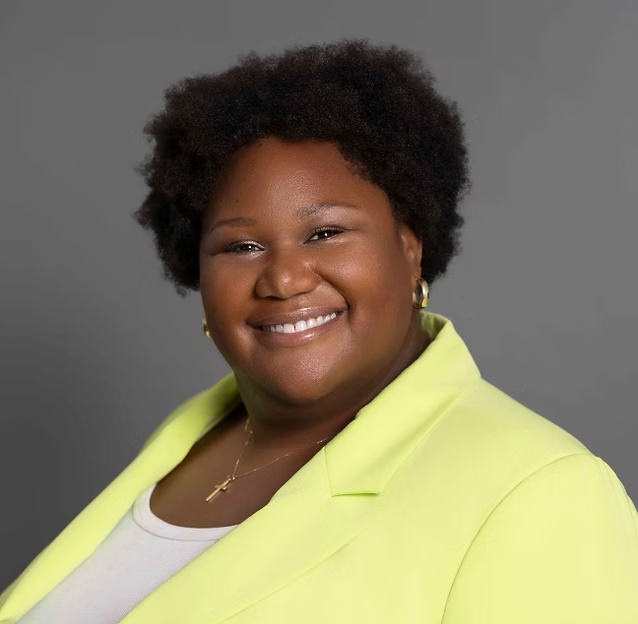
By: Venee Galloway, CPCU, CBIA, CLCS, SBCS
Director of Commercial Insurance
2026 Virginia State Minimum Requirements and Compliance
Virginia is an at-fault state, meaning the driver who causes an accident bears financial responsibility for damages. This makes carrying adequate liability insurance essential for any business operating vehicles within the Commonwealth.
Mandatory Liability Limits for Virginia Business Owners
As of January 1, 2025, Virginia's minimum liability requirements for commercial auto insurance increased to $50,000 for bodily injury per person, $100,000 per accident, and $25,000 for property damage: the familiar 50/100/25 split. These minimums remain in effect for 2026 and represent the legal floor, not a recommended ceiling. A serious multi-vehicle accident on the Virginia Beach Expressway or Interstate 264 can easily produce claims that exceed these minimums, leaving your business exposed to out-of-pocket liability. Many commercial insurers and risk advisors recommend carrying at least 100/300/100 limits, with a commercial umbrella policy layered on top for businesses with significant assets.
| Coverage Type | VA Minimum (2026) | Recommended for Most Businesses |
|---|---|---|
| Bodily Injury (per person) | $50,000 | $100,000+ |
| Bodily Injury (per accident) | $100,000 | $300,000+ |
| Property Damage | $25,000 | $100,000+ |
| UM/UIM | Required (matches liability) | Match or exceed liability limits |
Uninsured and Underinsured Motorist Protections
Virginia law requires that uninsured motorist (UM) and underinsured motorist (UIM) coverage be included in every auto policy under Virginia Code § 38.2-2206 — it cannot be rejected. The named insured may elect lower amounts in writing, but only down to the 50/100/25 statutory minimum. This is a critical protection for commercial fleets. If one of your drivers is struck by an uninsured motorist on General Booth Boulevard, your UM/UIM coverage pays for injuries and damages that the at-fault party cannot. One thing to keep in mind: the previous option of paying a $500 uninsured motor vehicle fee to the DMV in lieu of carrying insurance was eliminated on July 1, 2024. Every vehicle on Virginia roads must now carry active insurance, but compliance among all drivers is never guaranteed, making UM/UIM coverage a practical safeguard.
Standard liability and collision coverage forms the foundation of a commercial auto policy, but Virginia Beach businesses often need endorsements and specialty coverages that address industry-specific exposures.
Hired and Non-Owned Auto (HNOA) Insurance
If your employees ever drive rental cars for business trips or use their personal vehicles to run work errands, your business faces liability exposure that a standard commercial auto policy does not cover. Hired and Non-Owned Auto insurance fills this gap. A Virginia Beach hotel management company sending a staff member to pick up linens in their personal car, for example, could face a lawsuit if that employee causes an accident during the errand. HNOA coverage responds to these claims and is relatively inexpensive compared to the liability it mitigates.
Inland Marine and Cargo Coverage for Local Logistics
Businesses that transport goods, tools, or equipment should consider inland marine coverage, which protects cargo and specialized equipment while in transit. A landscaping company moving mowers and blowers between job sites in Kempsville and Oceanfront, or a seafood distributor hauling product from the Lynnhaven Inlet to restaurant clients, faces real financial risk if that cargo is damaged in an accident or stolen from a parked vehicle. Standard commercial auto policies typically exclude coverage for the goods being transported, so inland marine fills a gap that many business owners do not realize exists until a loss occurs.

Commercial auto premiums in Virginia Beach vary widely based on a combination of driver profiles, vehicle types, industry classification, and geographic risk factors. Understanding what drives your premium helps you make informed decisions about coverage and cost management.
Impact of Virginia Beach Traffic and Coastal Risk Factors
Virginia Beach sits at the intersection of heavy tourist traffic, military base commuting, and hurricane-prone geography. Insurers weigh these factors when calculating premiums. The city's high traffic density along corridors like Interstate 264, Shore Drive, and Pacific Avenue increases collision frequency. Coastal flood zones and the threat of nor'easters and hurricanes add comprehensive loss exposure. Underwriters also review a business's five-to-seven-year claims history when setting rates, so a clean record over that period can meaningfully reduce your premium.
Fleet Size and Vehicle Type Classifications
A single-vehicle policy for a consulting firm will cost far less than a ten-truck fleet for a plumbing contractor. Insurers classify vehicles by weight, use, and type: a light-duty pickup used for site visits carries a lower premium than a heavy-duty box truck hauling construction materials. Annual mileage, radius of operation, and whether vehicles are garaged overnight also affect pricing. Businesses with five or more vehicles typically qualify for fleet discounts, and telematics programs that monitor driver behavior can yield additional savings of 10 to 15 percent on premiums.
Virginia-Specific Rules and Legal Considerations
Virginia imposes several requirements on businesses that operate commercial vehicles, and non-compliance can result in fines, registration suspensions, and personal liability for business owners.
Virginia Department of Motor Vehicles (DMV) Filing Requirements
Businesses operating commercial vehicles in Virginia may be required to file proof of insurance directly with the Virginia DMV. Certain vehicle classes, particularly those used for hire or exceeding specific weight thresholds, require an SR-22 or equivalent filing that confirms continuous coverage. If your policy lapses, the insurer is obligated to notify the DMV, which can trigger an immediate suspension of your vehicle registration. Maintaining continuous coverage without gaps is essential, and working with an independent agency like ABP Insurance Agency, Inc. that monitors renewal dates and filing deadlines can prevent costly administrative lapses.
Vicarious Liability and Employee Driving Records
Under Virginia's vicarious liability doctrine, a business owner can be held personally liable for accidents caused by employees operating company vehicles within the scope of their employment. This makes driver screening and monitoring a critical risk management practice. Require motor vehicle record (MVR) checks before hiring any employee who will drive on your behalf, and conduct annual reviews thereafter. A single employee with a DUI conviction or multiple moving violations can increase your fleet premium significantly, and an unreported serious violation could give your insurer grounds to deny a claim entirely.
Cost control starts with proactive risk management rather than simply shopping for the cheapest quote. Implement a written fleet safety program that includes driver training, vehicle maintenance schedules, and clear policies on personal use of company vehicles. Bundle your commercial auto policy with your general liability and commercial property coverage through a Business Owners Policy (BOP) to qualify for multi-policy discounts.
An independent agency with broad market access can compare quotes from over 25 carriers to find the best combination of coverage and price for your specific operation. ABP Insurance Agency, Inc., with over 150 years of combined staff experience and 120+ five-star Google reviews, provides this kind of comparison shopping while also offering multilingual support in nine languages: English, Spanish, Vietnamese, Korean, Mandarin, Cantonese, Hindi, Punjabi, and Urdu. For Virginia Beach business owners in diverse communities, clear communication about policy terms and coverage details is not a luxury but a necessity for making informed decisions.
Raising your deductible from $500 to $1,000 can lower premiums by 10 to 20 percent, though you should only do this if your business can comfortably absorb the higher out-of-pocket cost after a loss. Pay premiums annually rather than monthly to avoid installment fees, and ask your agent about pay-per-mile options if your vehicles have low annual mileage.
Frequently Asked Questions
Does my personal auto policy cover me if I occasionally use my car for business? Most personal auto policies exclude regular business use. If you transport goods, drive clients, or use your vehicle as part of your daily work routine, you likely need a commercial policy or a business-use endorsement.
Can I register a commercial vehicle in Virginia without insurance? No. Virginia eliminated the uninsured motor vehicle fee option in July 2024. Every vehicle, personal or commercial, must carry active liability insurance to be registered.
How does my driving record affect my commercial auto premium? Insurers typically review a five-to-seven-year claims and violation history. At-fault accidents, DUIs, and multiple moving violations can increase premiums substantially or even result in coverage denial.
Do I need commercial auto insurance if I only have one vehicle? Yes, if that vehicle is used for business purposes, titled in a business name, or driven by employees. The number of vehicles does not determine whether commercial coverage is required: the use of the vehicle does.
What happens if my commercial auto policy lapses in Virginia? Your insurer will notify the Virginia DMV, which may suspend your vehicle registration. Reinstatement typically requires proof of new coverage and payment of a reinstatement fee.
Securing the right commercial auto coverage for your Virginia Beach business requires more than meeting state minimums. You need a policy that accounts for coastal weather exposure, local traffic patterns, your specific industry risks, and the driving records of every employee behind the wheel. Gaps in coverage, whether from an excluded vehicle type, a missing HNOA endorsement, or inadequate UM/UIM limits, can expose your business to losses that far exceed the cost of proper insurance. Request a quote through ABP Insurance Agency's online portal or call to speak with an agent who can walk you through your options in the language you are most comfortable with. The right policy is not just about compliance: it is about keeping your business on the road.
Our Reviews
Trusted Advice, Proven Results
See what our clients have to say about their experience working with us, or share feedback about your experience.

PERSONAL INSURANCE
Protect What Matters Most
Home, auto, and life coverage at competitive rates from 25+ carriers.
Home Insurance
Covers your home and belongings from events like fire, theft, or storms. Ensures peace of mind with clear, reliable coverage for houses, condos, apartments, and rentals
Auto Insurance
Covers vehicle repairs, liability, and medical costs from accidents. Protects you and your car with easy-to-understand policies that meet Virginia requirements.
Umbrella Insurance
Provides extra liability coverage beyond home and auto policies. Adds protection for unexpected situations that exceed your standard policy limits.
Renters Insurance
Covers your personal belongings and provides liability protection if you rent your home. Replaces items damaged by fire, theft, or water at a low monthly cost.
Condo Insurance
Fills the coverage gaps your HOA master policy leaves open. Protects your unit's interior, personal property, and liability from covered losses.
Classic & Specialty Vehicles
Coverage for classic cars, motorcycles, ATVs, boats, and RVs. We partner with specialty carriers like Hagerty to protect vehicles that standard auto policies do not cover.
BUSINESS INSURANCE
Secure What You've Built
Coverage solutions for growing companies backed by decades of commercial experience.






INDUSTRIES WE SERVE
Virginia's Businesses We Protect
Insurance solutions to help Virginia businesses protect their assets, employees, and operations.



FAQs
Your Questions, Answered
Explore our FAQs to get answers to some of the most common questions about our insurance solutions and services.
What languages do your agents speak?
We have agents who are fluent in Spanish, Vietnamese, Mandarin, Cantonese, Korean, Hindi, Urdu, and Punjabi. If you prefer a language other than English, just let us know!
Who do you typically work with?
We work with clients at all stages of life—from young professionals and growing families to high-net-worth individuals and retirees. We work with both small and large companies. No matter where you are on your journey, we can provide insurance solutions that align with your needs.
How do I get started?
It’s easy! Simply click here to get started. From there you will be able to seamlessly transfer your current coverage information to us or answer a few questions and one of our agents will be in touch.
How do you charge for your services?
We never charge fees for our service. As independent agents, we are paid by the insurance company after the policies you select are issued. Our compensation is a small percentage of the policy premium.
What makes ABP Insurance different from other insurance providers?
ABP Insurance is an independent agency. We work with over 25 insurance carriers to find the best coverage and rates for your needs. We do not represent a single company — we represent you. Our team also speaks nine languages, making us one of the most accessible agencies in Northern Virginia. We combine modern technology with personal service so clients get fast quotes, clear explanations, and ongoing support throughout their policy term.
What areas does ABP Insurance serve?
Our office is in Falls Church, Virginia, and we serve clients throughout Northern Virginia, the greater D.C. metro area, and beyond. We currently write policies in Virginia, Maryland, Washington D.C., Massachusetts, New Hampshire, Maine, Georgia, Texas, and North Carolina. Because we work with many of the largest national carriers, we can often help clients who own property in multiple states or who are relocating.
Contact Us
Phone Number:
703-846-0558
Email Address:
info@abpinsurance.com
Located at: 8315 US-29 Ste 215, Fairfax, VA 22031, United States
In-Person by Appointment Only