
Running a child care facility in Virginia means protecting the children in your care, your staff, and the business you have worked hard to build. The Commonwealth maintains specific insurance requirements for daycare providers, and understanding these mandates is essential before you open your doors or renew your existing coverage. Virginia daycare insurance encompasses general liability, professional liability, workers' compensation, and several specialized coverages that address the unique risks of caring for young children. Whether you operate a family day home from your residence or manage a commercial child care center, the right insurance portfolio shields you from financial devastation when accidents, injuries, or allegations arise. Many providers discover gaps in their coverage only after a claim occurs, which is precisely the wrong time to learn that your policy excludes certain incidents. The costs associated with daycare insurance in Virginia vary significantly based on your facility type, enrollment capacity, location, and claims history. This guide walks through the coverage requirements, cost factors, and policy options that Virginia child care providers must understand to remain compliant and protected.
Understanding Virginia Child Care Licensing and Insurance Mandates
Virginia regulates child care facilities through a comprehensive licensing framework that ties directly to insurance requirements. The type of license you hold determines your minimum coverage obligations, and failure to maintain adequate insurance can result in license suspension or revocation.
State Minimum Liability Requirements
The Commonwealth requires licensed child care centers to carry general liability insurance with minimum limits that protect enrolled children and their families. Most Virginia child care centers must maintain at least $500,000 in general liability coverage per occurrence, though many providers carry $1 million limits to satisfy landlord requirements and provide additional protection. Your policy must name the Virginia Department of Social Services as a certificate holder, and you must provide proof of continuous coverage to maintain your license. Lapsed coverage, even for a single day, can trigger compliance actions that disrupt your operations and damage your reputation with families.
Requirements for Family Day Home Providers
Family day home providers in Virginia face different regulatory tiers based on the number of children served. Providers caring for five or fewer children may operate without a license, though voluntary licensing is available and often preferred by parents seeking quality assurance. Licensed family day homes serving six to twelve children must meet the same insurance requirements as larger centers, including general liability coverage and compliance with local zoning ordinances. Home-based providers should also examine their homeowners insurance policies carefully, as standard residential policies typically exclude business activities and may deny claims related to your child care operation.
Virginia Department of Social Services (VDSS) Oversight
VDSS maintains authority over child care licensing throughout the Commonwealth and conducts regular inspections to verify compliance with all regulations, including insurance requirements. Inspectors review your certificate of insurance during site visits and may request updated documentation at any time. The department also investigates complaints from parents and staff, which can trigger additional scrutiny of your insurance coverage and claims history. Maintaining open communication with your licensing specialist and providing documentation promptly demonstrates your commitment to compliance and can smooth the inspection process.

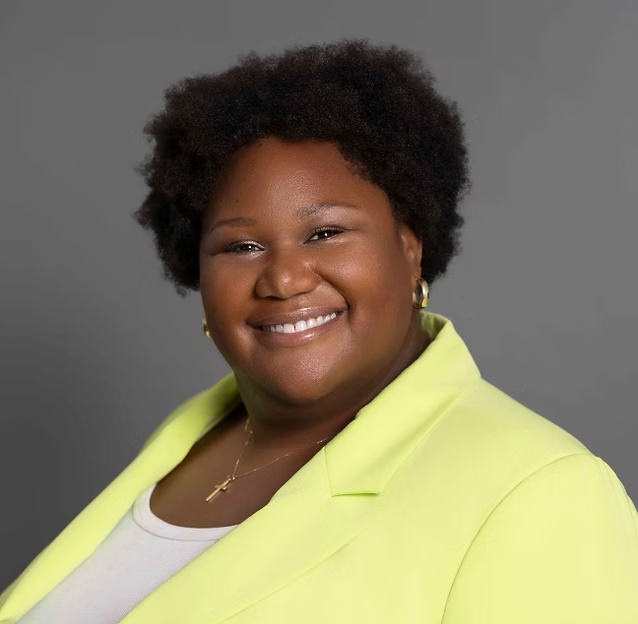
By: Venee Galloway, CPCU, CBIA, CLCS, SBCS
Director of Commercial Insurance
Essential Insurance Coverages for Virginia Daycares
Beyond minimum state requirements, Virginia daycare operators should evaluate several coverage types that address the specific risks inherent to child care operations. A comprehensive insurance portfolio protects against the claims most likely to threaten your financial stability.
General Liability and Professional Liability
General liability insurance covers bodily injury and property damage claims arising from your operations, such as a child falling on the playground or a parent slipping on a wet floor. Professional liability, sometimes called errors and omissions coverage, protects against claims of negligent supervision, failure to report suspected abuse, or other professional failures. These coverages work together to address the range of allegations that child care providers face. General liability typically covers the physical incident, while professional liability responds to claims that your professional judgment or actions caused harm. Many insurers offer combined policies that package both coverages with appropriate limits for child care operations.
Abuse and Molestation Coverage
Abuse and molestation coverage is perhaps the most critical protection for any child care provider, as allegations of improper conduct can arise even in well-managed facilities with thorough background checks. This coverage pays for legal defense costs and settlements when employees, volunteers, or even other children are accused of inappropriate behavior. Standard general liability policies often exclude or severely limit abuse-related claims, making standalone or enhanced abuse coverage essential. Premiums for this coverage reflect your screening procedures, supervision ratios, and facility design, so investing in prevention measures can reduce your insurance costs while protecting children.
Virginia Workers' Compensation Laws
Virginia requires most employers with three or more employees to carry
workers' compensation insurance, and child care facilities rarely qualify for exemptions. Workers' compensation covers medical expenses and lost wages when employees suffer work-related injuries or illnesses, from back injuries sustained while lifting children to illnesses contracted from sick enrollees. The coverage also protects your business from employee lawsuits related to workplace injuries, as accepting workers' compensation benefits typically waives the right to sue. Premiums are calculated based on your total payroll and the classification codes assigned to your employees, with child care workers falling into specific rate categories.
Average Costs of Daycare Insurance in Virginia
Insurance costs for Virginia daycares range widely based on facility characteristics, coverage limits, and risk factors specific to your operation. Understanding these variables helps you budget appropriately and identify opportunities to manage premium expenses.
Factors Influencing Premium Rates
| Factor | Lower Premium | Higher Premium |
|---|---|---|
| Enrollment capacity | Under 25 children | Over 100 children |
| Claims history | No claims in 5+ years | Multiple recent claims |
| Staff credentials | CPR/First Aid certified | Minimal training |
| Facility age | Newer construction | Older buildings |
| Coverage limits | State minimums | Enhanced limits |
| Deductible amount | Higher deductibles | Lower deductibles |
Your claims history exerts the strongest influence on premium rates, as insurers view past claims as predictors of future losses. Location within Virginia also matters, with urban areas like Northern Virginia and Hampton Roads typically commanding higher premiums than rural regions. The ages of children you serve affect your rates as well, since infant care carries different risks than preschool programs.
Cost Differences Between Home-Based and Commercial Centers
Family day home providers generally pay lower premiums than commercial centers due to smaller enrollment numbers and reduced exposure. Annual premiums for home-based providers typically range from $800 to $2,500 for basic coverage packages, while commercial centers may pay $3,000 to $15,000 or more depending on size and services. Commercial centers face additional costs for property insurance on their facilities, higher workers' compensation premiums due to larger payrolls, and potentially greater liability limits required by landlords or lenders. Home-based providers must account for the gap between their homeowners coverage and business insurance needs, which may require a separate business policy or an endorsement to their residential coverage.

Specialized Add-ons for Enhanced Protection
Standard liability policies address common risks, but many Virginia daycares benefit from specialized coverages that respond to specific operational exposures. Evaluating these options ensures your protection matches your actual activities.
Commercial Auto and Transportation Insurance
If your daycare transports children in facility-owned vehicles, commercial auto insurance is mandatory and must carry appropriate liability limits. Personal auto policies exclude commercial use, meaning any accident during child transport would leave you uninsured if you rely solely on personal coverage. Commercial auto policies should include hired and non-owned auto coverage if employees ever use their personal vehicles for business purposes, such as picking up supplies or transporting children in emergencies. Many insurers require specific safety features on vehicles used to transport children, and your policy may mandate driver screening and training protocols.
Business Interruption and Property Coverage
Property insurance covers your building, equipment, furniture, and supplies against fire, theft, vandalism, and other covered perils.
Business interruption coverage, often added to property policies, replaces lost income when a covered event forces temporary closure. For daycare operators, even a brief closure can devastate your finances as parents seek alternative care and may not return when you reopen. Business interruption coverage pays ongoing expenses like rent, loan payments, and staff salaries during the restoration period, helping you maintain your workforce and resume operations quickly.
How to Choose the Right Provider and Policy
Selecting appropriate coverage requires balancing protection levels against premium costs while ensuring your policy responds to the claims you are most likely to face. Working with an experienced insurance professional simplifies this process significantly.
Evaluating Deductibles vs. Coverage Limits
Higher deductibles reduce your premium costs but increase your out-of-pocket expenses when claims occur. For small claims that exceed your deductible only slightly, you may choose to pay out of pocket rather than file a claim that could affect future premiums. Coverage limits should reflect realistic worst-case scenarios, not just minimum requirements. A serious injury claim can easily exceed $500,000 in medical expenses and damages, making $1 million limits a prudent choice for most providers. Umbrella policies provide additional limits above your primary coverage at relatively low cost, offering another layer of protection against catastrophic claims.
Risk Management Strategies to Lower Premiums
Insurers reward providers who demonstrate commitment to safety and loss prevention. Implementing written safety policies, conducting regular staff training, maintaining appropriate supervision ratios, and documenting all incidents thoroughly can qualify you for premium discounts. Many insurers offer risk management resources, including sample policies, training materials, and consultation services, at no additional cost to policyholders. Installing security cameras, maintaining playground equipment according to manufacturer specifications, and conducting background checks on all staff members signal to insurers that you take risk management seriously.
Frequently Asked Questions
How much does daycare insurance cost in Virginia? Annual premiums typically range from $800 to $2,500 for home-based providers and $3,000 to $15,000 for commercial centers, depending on enrollment size, coverage limits, and claims history.
Do I need insurance if I only watch a few children? Virginia does not require licensing or insurance for providers caring for five or fewer unrelated children, but coverage protects your personal assets if a child is injured in your care.
What happens if my insurance lapses? VDSS may suspend or revoke your license for failure to maintain required coverage, and you would be personally liable for any claims during the lapse period.
Does my homeowners insurance cover my home daycare? Standard homeowners policies typically exclude business activities, so you need a separate business policy or a specific endorsement to cover your child care operation.
How quickly can I get coverage?
Many insurers can bind coverage within 24 to 48 hours once your application is complete, though obtaining certificates for licensing may take additional time.
Securing proper insurance coverage for your Virginia daycare protects the children you serve, the staff you employ, and the business you have built. The requirements and costs vary based on your specific operation, making personalized guidance valuable as you evaluate your options. Working with an independent agency that represents multiple carriers allows you to compare coverage options and pricing without contacting numerous insurers individually. If you are ready to explore your daycare insurance options or have questions about Virginia requirements,
reach out to ABP Insurance
for a free quote and consultation with agents who understand the child care industry and can assist in multiple languages.
Our Reviews
Trusted Advice, Proven Results
See what our clients have to say about their experience working with us, or share feedback about your experience.

PERSONAL INSURANCE
Protect What Matters Most
Home, auto, and life coverage at competitive rates from 25+ carriers.
Home Insurance
Covers your home and belongings from events like fire, theft, or storms. Ensures peace of mind with clear, reliable coverage for houses, condos, apartments, and rentals
Auto Insurance
Covers vehicle repairs, liability, and medical costs from accidents. Protects you and your car with easy-to-understand policies that meet Virginia requirements.
Umbrella Insurance
Provides extra liability coverage beyond home and auto policies. Adds protection for unexpected situations that exceed your standard policy limits.
Renters Insurance
Covers your personal belongings and provides liability protection if you rent your home. Replaces items damaged by fire, theft, or water at a low monthly cost.
Condo Insurance
Fills the coverage gaps your HOA master policy leaves open. Protects your unit's interior, personal property, and liability from covered losses.
Classic & Specialty Vehicles
Coverage for classic cars, motorcycles, ATVs, boats, and RVs. We partner with specialty carriers like Hagerty to protect vehicles that standard auto policies do not cover.
BUSINESS INSURANCE
Secure What You've Built
Coverage solutions for growing companies backed by decades of commercial experience.






INDUSTRIES WE SERVE
Virginia's Businesses We Protect
Insurance solutions to help Virginia businesses protect their assets, employees, and operations.



FAQs
Your Questions, Answered
Explore our FAQs to get answers to some of the most common questions about our insurance solutions and services.
What languages do your agents speak?
We have agents who are fluent in Spanish, Vietnamese, Mandarin, Cantonese, Korean, Hindi, Urdu, and Punjabi. If you prefer a language other than English, just let us know!
Who do you typically work with?
We work with clients at all stages of life—from young professionals and growing families to high-net-worth individuals and retirees. We work with both small and large companies. No matter where you are on your journey, we can provide insurance solutions that align with your needs.
How do I get started?
It’s easy! Simply click here to get started. From there you will be able to seamlessly transfer your current coverage information to us or answer a few questions and one of our agents will be in touch.
How do you charge for your services?
We never charge fees for our service. As independent agents, we are paid by the insurance company after the policies you select are issued. Our compensation is a small percentage of the policy premium.
What makes ABP Insurance different from other insurance providers?
ABP Insurance is an independent agency. We work with over 25 insurance carriers to find the best coverage and rates for your needs. We do not represent a single company — we represent you. Our team also speaks nine languages, making us one of the most accessible agencies in Northern Virginia. We combine modern technology with personal service so clients get fast quotes, clear explanations, and ongoing support throughout their policy term.
What areas does ABP Insurance serve?
Our office is in Falls Church, Virginia, and we serve clients throughout Northern Virginia, the greater D.C. metro area, and beyond. We currently write policies in Virginia, Maryland, Washington D.C., Massachusetts, New Hampshire, Maine, Georgia, Texas, and North Carolina. Because we work with many of the largest national carriers, we can often help clients who own property in multiple states or who are relocating.
Contact Us
Phone Number:
703-846-0558
Email Address:
info@abpinsurance.com
Located at: 8315 US-29 Ste 215, Fairfax, VA 22031, United States
In-Person by Appointment Only