
A single slip on a freshly sanded hardwood floor can transform a routine installation into a six-figure liability claim, and without proper insurance protection, your flooring business could face devastating financial consequences. Virginia flooring contractors encounter unique risks daily, from moisture damage claims on improperly installed laminate to injuries sustained by crew members operating heavy sanding equipment. Understanding flooring contractor insurance in Virginia, including coverage options, costs, and state requirements, is essential for protecting your livelihood and ensuring compliance with state regulations. The Commonwealth maintains specific licensing and bonding mandates that differ from neighboring states, and failure to meet these requirements can result in license suspension, fines, or the inability to collect payment for completed work. Whether you specialize in hardwood refinishing, tile installation, or commercial carpet projects, the right insurance portfolio shields your business from claims that could otherwise drain your savings and damage your professional reputation.
Essential Insurance Policies for Virginia Flooring Professionals
Virginia flooring contractors require a carefully structured insurance portfolio that addresses the specific hazards present in flooring installation, refinishing, and repair work. The physical nature of this trade, combined with the use of adhesives, solvents, and heavy machinery, creates exposure to both bodily injury and property damage claims that must be adequately covered.
General Liability for Bodily Injury and Property Damage
General liability insurance serves as the foundation of any flooring contractor's risk management strategy, providing protection against third-party claims arising from your business operations. This coverage responds when a homeowner trips over extension cords during installation, when adhesive fumes trigger respiratory issues in building occupants, or when your equipment scratches a client's antique furniture. Most commercial property owners and general contractors require proof of general liability coverage before permitting flooring subcontractors on their job sites, with minimum limits typically ranging from $500,000 to $1,000,000 per occurrence. The completed operations portion of this policy proves particularly valuable for flooring professionals, as it covers claims arising after you have finished a project, such as when improperly sealed hardwood buckles six months after installation.
Workers' Compensation Requirements in Virginia
Virginia mandates workers' compensation insurance for any employer with three or more employees, including part-time workers and family members who receive wages. Flooring work involves significant physical demands, repetitive motion injuries, exposure to dust and chemical vapors, and the operation of power tools that can cause severe lacerations. Workers' compensation provides medical expense coverage, wage replacement benefits, and rehabilitation costs for injured employees while protecting employers from lawsuits filed by those workers. Even if your crew falls below the three-employee threshold, carrying this coverage voluntarily demonstrates professionalism and may be required by general contractors who hire your services.
Tools and Equipment Floaters for Mobile Flooring Crews
Flooring contractors rely on specialized equipment that represents a substantial investment, including drum sanders, edgers, nail guns, wet saws, and moisture meters. Standard
commercial property policies typically exclude coverage for tools and equipment while in transit or at job sites away from your principal place of business. An inland marine floater, often called a tools and equipment floater, provides protection for these items regardless of location, covering theft from work vans, damage during transport, and loss at customer premises. Replacement cost coverage rather than actual cash value ensures you can purchase new equipment without depreciation deductions reducing your claim payment.

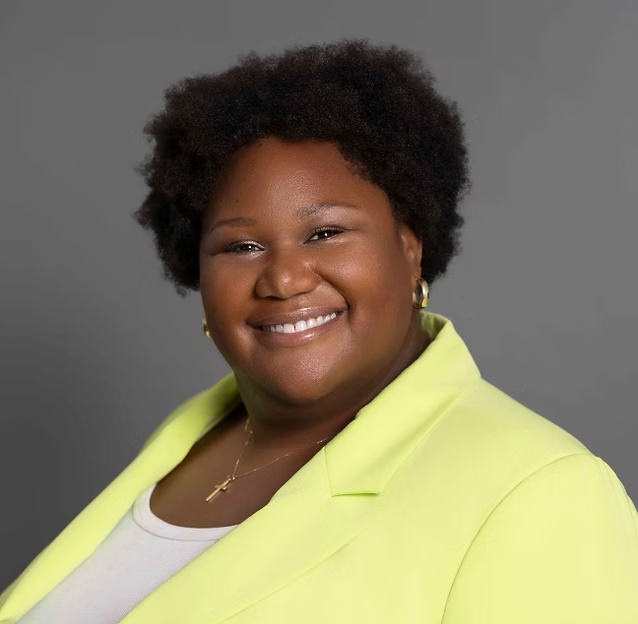
By: Venee Galloway, CPCU, CBIA, CLCS, SBCS
Director of Commercial Insurance
Virginia-Specific Licensing and Insurance Mandates
The Commonwealth of Virginia maintains a structured licensing system for contractors that directly impacts insurance requirements, and understanding these regulations helps you avoid costly compliance failures.
DPOR Requirements for Contractor Classification
The Virginia Department of Professional and Occupational Regulation, commonly known as DPOR, classifies contractors based on the total value of work performed under a single contract or project. Class A contractors handle projects valued at $120,000 or more and must demonstrate a minimum net worth of $45,000 along with proof of required insurance coverages. Class B contractors work on projects between $10,000 and $120,000, while Class C contractors handle smaller projects below $10,000. Flooring contractors must hold the appropriate classification for the scope of work they intend to perform, and operating outside your license class constitutes a violation that can result in penalties and loss of licensure. The DPOR requires evidence of general liability insurance as part of the initial licensing application and subsequent renewals.
The Role of Surety Bonds in State Compliance
Virginia requires licensed contractors to maintain surety bonds that protect consumers and project owners from financial harm caused by contractor misconduct or failure to complete contracted work. Class A contractors must secure a $50,000 bond, Class B contractors require a $15,000 bond, and Class C contractors need a $10,000 bond. These bonds function differently from insurance policies in that they represent a guarantee of performance rather than a transfer of risk. If a valid claim is paid against your surety bond, you become personally liable to reimburse the surety company for the full amount plus associated costs. Maintaining a clean claims history and strong personal credit helps secure favorable bond rates.
Insurance carriers evaluate numerous variables when calculating premiums for flooring contractor coverage, and understanding these factors allows you to make informed decisions that may reduce your costs.
Annual Revenue and Payroll Scale
Your gross annual revenue and total payroll figures serve as primary rating bases for general liability and workers' compensation premiums respectively. Higher revenue indicates greater exposure to potential claims, as more projects mean more opportunities for accidents, property damage, or customer disputes. Payroll figures reflect the number of employees exposed to workplace hazards and the corresponding potential for workers' compensation claims. Carriers typically calculate initial premiums based on estimated figures at policy inception, then conduct audits at policy expiration to adjust premiums according to actual payroll and revenue data.
Scope of Work: Residential vs. Commercial Projects
The type of flooring work you perform significantly impacts your premium calculations, as commercial projects generally carry higher liability limits and stricter contractual requirements than residential work. Commercial flooring installations in occupied office buildings, retail spaces, or healthcare facilities present increased exposure to third-party injury claims and business interruption disputes. Residential work, while typically involving lower policy limits, may include higher-value homes where property damage claims can become substantial. Carriers also consider whether you perform new construction, renovation, or repair work, with each category presenting distinct risk profiles.
Claims History and Safety Experience Ratings
Your past claims experience directly influences future premium calculations through experience modification ratings and loss history reviews. Contractors with multiple claims or severe losses face higher premiums and may find certain carriers unwilling to offer coverage at any price. Workers' compensation premiums incorporate an experience modification rate that compares your actual losses to expected losses for businesses of similar size and classification. Maintaining a modification rate below 1.0 indicates better-than-average safety performance and results in premium credits.

Estimated Costs for Flooring Contractor Coverage
| Coverage Type | Typical Annual Premium Range | Key Factors |
|---|---|---|
| General Liability | $1,200 - $4,500 | Revenue, project types, limits |
| Workers' Compensation | $2,500 - $8,000+ | Payroll, experience mod, state rates |
| Tools/Equipment Floater | $300 - $1,200 | Equipment value, deductible |
| Commercial Auto | $1,500 - $4,000 | Vehicles, driver records, coverage |
| Surety Bond | $100 - $500 | Bond amount, credit score |
These estimates reflect typical ranges for small to mid-sized flooring operations in Virginia, though actual premiums vary based on individual circumstances. ABP Insurance, with access to multiple top carriers, can compare quotes to identify competitive rates tailored to your specific business profile.
Mitigating Risks and Reducing Insurance Expenses
Proactive risk management strategies not only protect your employees and customers but also demonstrate to insurers that your business presents a favorable risk profile worthy of premium discounts.
Implementing Formal Safety Training Programs
Documented safety training programs signal to insurance carriers that your business takes loss prevention seriously, potentially qualifying you for premium credits ranging from five to fifteen percent. Effective programs address proper equipment operation, dust and vapor exposure controls, ergonomic lifting techniques, and job site hazard identification. OSHA compliance records, toolbox talk documentation, and safety meeting attendance logs provide tangible evidence of your commitment to workplace safety. Some carriers offer loss control services that include on-site safety assessments and customized training recommendations at no additional cost to policyholders.
Managing Subcontractor Certificates of Insurance
When you hire subcontractors for specialized tasks such as custom inlay work or commercial carpet installation, their insurance coverage directly impacts your risk exposure. Requiring certificates of insurance from all subcontractors before they begin work protects your business from claims that should properly be covered by their policies. Verify that subcontractor policies remain in force throughout the project duration and that coverage limits meet or exceed your contractual requirements. Many experienced agencies, including those with 150 years of combined experience like ABP Insurance, can review subcontractor certificates to identify potential coverage gaps before problems arise.
Frequently Asked Questions
How much general liability insurance do flooring contractors need in Virginia? Most commercial clients and general contractors require minimum limits of $1,000,000 per occurrence and $2,000,000 aggregate, though some larger projects may specify higher amounts.
Does Virginia require flooring contractors to carry workers' compensation insurance? Yes, if you employ three or more workers, including part-time employees and family members receiving wages. Many contractors carry coverage voluntarily even below this threshold.
What happens if my tools are stolen from my work van overnight? Standard business policies often exclude this scenario, but an inland marine or tools floater provides coverage for equipment theft from vehicles regardless of location.
Can I reduce my insurance premiums without reducing coverage? Yes, implementing formal safety programs, maintaining clean claims history, bundling policies with one carrier, and working with an independent agency that shops multiple carriers can all reduce costs.
Do I need separate insurance for residential and commercial flooring work? Not necessarily separate policies, but your general liability policy must accurately reflect all types of work you perform to ensure claims are covered.
Securing the Right Policy for Your Flooring Business
Protecting your flooring business requires insurance coverage that addresses the specific hazards of your trade while meeting Virginia's licensing and bonding requirements. The right combination of general liability, workers' compensation, equipment coverage, and surety bonds creates a comprehensive safety net that allows you to pursue projects with confidence. Working with an independent agency provides access to multiple carriers, ensuring you receive competitive pricing without sacrificing coverage quality. For flooring contractors seeking guidance on coverage requirements and cost-effective solutions, speaking with an experienced agent can clarify your options and help you build protection tailored to your operations. Your business deserves insurance protection that matches the quality of work you deliver to your customers.
Our Reviews
Trusted Advice, Proven Results
See what our clients have to say about their experience working with us, or share feedback about your experience.

PERSONAL INSURANCE
Protect What Matters Most
Home, auto, and life coverage at competitive rates from 25+ carriers.
Home Insurance
Covers your home and belongings from events like fire, theft, or storms. Ensures peace of mind with clear, reliable coverage for houses, condos, apartments, and rentals
Auto Insurance
Covers vehicle repairs, liability, and medical costs from accidents. Protects you and your car with easy-to-understand policies that meet Virginia requirements.
Umbrella Insurance
Provides extra liability coverage beyond home and auto policies. Adds protection for unexpected situations that exceed your standard policy limits.
Renters Insurance
Covers your personal belongings and provides liability protection if you rent your home. Replaces items damaged by fire, theft, or water at a low monthly cost.
Condo Insurance
Fills the coverage gaps your HOA master policy leaves open. Protects your unit's interior, personal property, and liability from covered losses.
Classic & Specialty Vehicles
Coverage for classic cars, motorcycles, ATVs, boats, and RVs. We partner with specialty carriers like Hagerty to protect vehicles that standard auto policies do not cover.
BUSINESS INSURANCE
Secure What You've Built
Coverage solutions for growing companies backed by decades of commercial experience.






INDUSTRIES WE SERVE
Virginia's Businesses We Protect
Insurance solutions to help Virginia businesses protect their assets, employees, and operations.


FAQs
Your Questions, Answered
Explore our FAQs to get answers to some of the most common questions about our insurance solutions and services.
What languages do your agents speak?
We have agents who are fluent in Spanish, Vietnamese, Mandarin, Cantonese, Korean, Hindi, Urdu, and Punjabi. If you prefer a language other than English, just let us know!
Who do you typically work with?
We work with clients at all stages of life—from young professionals and growing families to high-net-worth individuals and retirees. We work with both small and large companies. No matter where you are on your journey, we can provide insurance solutions that align with your needs.
How do I get started?
It’s easy! Simply click here to get started. From there you will be able to seamlessly transfer your current coverage information to us or answer a few questions and one of our agents will be in touch.
How do you charge for your services?
We never charge fees for our service. As independent agents, we are paid by the insurance company after the policies you select are issued. Our compensation is a small percentage of the policy premium.
What makes ABP Insurance different from other insurance providers?
ABP Insurance is an independent agency. We work with over 25 insurance carriers to find the best coverage and rates for your needs. We do not represent a single company — we represent you. Our team also speaks nine languages, making us one of the most accessible agencies in Northern Virginia. We combine modern technology with personal service so clients get fast quotes, clear explanations, and ongoing support throughout their policy term.
What areas does ABP Insurance serve?
Our office is in Falls Church, Virginia, and we serve clients throughout Northern Virginia, the greater D.C. metro area, and beyond. We currently write policies in Virginia, Maryland, Washington D.C., Massachusetts, New Hampshire, Maine, Georgia, Texas, and North Carolina. Because we work with many of the largest national carriers, we can often help clients who own property in multiple states or who are relocating.
Contact Us
Phone Number:
703-846-0558
Email Address:
info@abpinsurance.com
Located at: 8315 US-29 Ste 215, Fairfax, VA 22031, United States
In-Person by Appointment Only