
A single uninsured incident on school grounds - a student injury during recess, a data breach exposing family records, or a slip-and-fall in the gymnasium - can threaten the financial stability of an entire charter school program. Virginia
charter schools operate under a unique governance structure that blends public accountability with independent management, and that hybrid status creates insurance obligations distinct from those of traditional
public schools. Understanding the required coverage for Virginia charter schools is not optional; it is a condition of authorization. Every charter application submitted to a local school board must demonstrate that adequate protections are in place before doors open to students. The stakes are high: insufficient coverage can delay or revoke a charter, expose board members to personal liability, and leave staff and families without recourse after a loss. This guide breaks down the specific insurance requirements, statutory mandates, and practical considerations that charter school operators in Virginia must address to remain compliant, protected, and operational. Whether your school is preparing its first application or renewing an existing charter, the information here will help you identify gaps and build a coverage portfolio that holds up under scrutiny.
Virginia Charter School Insurance Foundations
Virginia treats charter schools as public schools, which means they are subject to many of the same regulatory expectations as traditional school divisions - yet they do not automatically receive the same pooled risk protections. Charter operators must independently secure and maintain insurance coverage that satisfies both state law and the specific conditions set by their authorizing school board. The distinction matters because a charter school's insurance obligations can vary significantly depending on the locality in which it operates.
State Mandates vs. Local School Board Requirements
The Code of Virginia § 22.1-212.8 requires that every public charter school application include a detailed description of insurance coverage. This is not a suggestion; it is a statutory prerequisite for charter approval. The law does not prescribe exact policy types or minimum limits, which means the authorizing school board holds considerable discretion over what constitutes "adequate" coverage.
Local boards in Fairfax County, for example, may impose different minimum liability limits than boards in Richmond or Virginia Beach. Some boards require proof of coverage before the charter contract is executed, while others allow a grace period for procurement. Charter operators should request a written list of insurance requirements from the authorizing board early in the application process. Failing to meet these locally defined standards is one of the most common reasons charter applications are returned for revision.
The Role of the Virginia Department of Education (VDOE)
The VDOE provides oversight and guidance for charter school operations, but it does not directly enforce insurance requirements. Its role is primarily administrative: maintaining application templates, publishing regulations, and ensuring that local boards follow proper authorization procedures. The VDOE does, however, expect that charter applications demonstrate financial viability, and insurance is a core component of that assessment.
Charter operators should also be aware that some Virginia school divisions participate in
pooled risk programs administered by organizations like VACORP, which serve traditional public schools. Charter schools are generally not eligible for these pools, meaning they must obtain coverage on the open market. This distinction often results in
higher premiums for charter operators, making it especially important to compare quotes from multiple carriers.
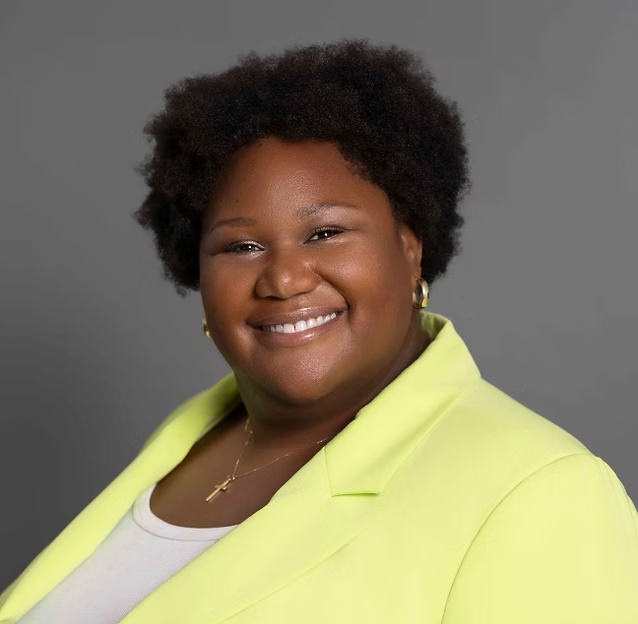
By: Venee Galloway, CPCU, CBIA, CLCS, SBCS
Director of Commercial Insurance
Core Liability Coverage Requirements
Liability exposure for charter schools extends well beyond standard premises risk. Educators, administrators, and board members all face distinct categories of potential claims, and each requires a targeted insurance response. A single general liability policy will not cover the full spectrum of risk that a Virginia charter school encounters.
General Liability and Property Insurance
Commercial general liability (CGL) insurance is the foundation of any charter school's coverage portfolio. It responds to third-party bodily injury and property damage claims arising from school operations, including injuries on playgrounds, in hallways, and during school-sponsored events. Most authorizing boards require a minimum of $1 million per occurrence and $2 million in aggregate coverage, though some localities set higher thresholds.
Property insurance protects the physical assets of the school: the building (if owned), furniture, technology equipment, and instructional materials. If the school leases its facility, the landlord's policy will not cover the school's contents or improvements. Charter operators should secure a property policy with replacement cost valuation rather than actual cash value, as the latter depreciates assets and can leave significant gaps after a loss.
Educators Legal Liability (ELL)
Educators legal liability coverage - sometimes called professional liability for educators - protects teachers, counselors, and administrators against claims alleging negligent instruction, failure to educate, improper discipline, or violation of a student's civil rights. These claims have been increasing in frequency and severity due to social inflation trends that are driving up jury awards and settlement demands across the education sector.
ELL policies are distinct from general liability because they address professional acts rather than physical injuries. A teacher accused of discriminatory grading practices or a counselor alleged to have given harmful advice would need ELL coverage, not CGL. Most Virginia charter schools carry ELL limits between $1 million and $5 million, depending on enrollment size and the authorizing board's requirements.
Sexual Misconduct and Molestation Liability
Standard CGL policies frequently exclude or sublimit coverage for sexual misconduct and molestation claims. Given the duty-of-care obligations that schools owe to minors, this exclusion creates an unacceptable gap. Virginia charter schools should carry a standalone or endorsed policy that specifically covers defense costs, settlements, and judgments arising from allegations of sexual misconduct by employees, volunteers, or other students.
This coverage typically includes both the cost of legal defense and any resulting damages. Insurers often require the school to demonstrate that background checks, training programs, and reporting protocols are in place before issuing this coverage. Premiums vary based on enrollment, staffing levels, and the school's claims history over the prior five to seven years.
Operational and Statutory Protections
Beyond liability for injuries and professional acts, charter schools must address statutory insurance requirements and operational risks that can disrupt the school's mission. Workers' compensation, fiduciary protection, and data security are three areas where gaps are both common and costly.
Workers' Compensation for School Staff
Virginia law mandates workers' compensation insurance for any employer with three or more employees, and charter schools are no exception. This coverage pays for medical treatment, lost wages, and rehabilitation costs when a staff member is injured on the job. Teachers, custodians, cafeteria workers, and administrative staff are all covered.
Workers' compensation rates in Virginia are classified by job type and adjusted based on the employer's experience modification factor. A charter school with a clean claims history will pay lower premiums than one with multiple prior injuries. Operators should work with an experienced insurance advisor to ensure proper classification codes are applied, as misclassification can result in audits, penalties, and retroactive premium adjustments.
Directors and Officers (D&O) Coverage
Charter school board members serve in a fiduciary capacity, making decisions about budgets, staffing, contracts, and educational programs. D&O insurance protects these individuals against personal liability arising from allegations of mismanagement, breach of fiduciary duty, wrongful termination of staff, or failure to comply with regulatory requirements.
Without D&O coverage, board members may be personally responsible for legal defense costs and damages. This exposure makes it difficult to recruit qualified volunteers for governance roles. Most Virginia charter schools carry D&O limits of $1 million to $3 million, with the specific amount driven by the school's budget size and the complexity of its operations.
Cyber Liability for Student Records
Charter schools collect and store sensitive data, including student educational records protected under FERPA, staff Social Security numbers, and family financial information for free and reduced lunch programs. A data breach - whether caused by a ransomware attack, a phishing email, or a lost laptop - can trigger notification obligations, regulatory investigations, and lawsuits.
Cyber liability insurance covers the cost of breach notification, credit monitoring for affected individuals, forensic investigation, legal defense, and regulatory fines. Policies typically also cover business interruption losses if a cyberattack disrupts school operations. Given the increasing frequency of attacks targeting K-12 institutions, cyber liability coverage is no longer a discretionary purchase for Virginia charter schools; it is a practical necessity.
Comparing Essential Coverage Types
Comparison Table: General Liability vs. Professional Liability
| Feature | General Liability (CGL) | Professional Liability (ELL) |
|---|---|---|
| What it covers | Bodily injury, property damage, personal injury on premises or during operations | Claims of negligent instruction, improper discipline, civil rights violations |
| Who is protected | The school entity, employees, and volunteers for physical incidents | Claims of negligent instruction, improper discipline, civil rights violations |
| Typical limits | $1M per occurrence / $2M aggregate | $1M to $5M per claim |
| Common exclusions | Sexual misconduct (often sublimited), pollution, employment practices | Bodily injury, property damage, criminal acts |
| Trigger | An occurrence (injury or damage event) | A claim or demand alleging a wrongful professional act |
| Required by most VA boards? | Yes, universally | Yes, almost always as a condition of charter approval |
Both policies are essential, and neither substitutes for the other. A charter school that carries only CGL coverage leaves its educators exposed to professional liability claims, while a school with only ELL coverage has no protection against a visitor's slip-and-fall injury.
Common Questions About Charter School Policies
FAQ: Coverage Costs, Claims, and Compliance
How much does insurance cost for a Virginia charter school?
Annual premiums vary widely based on enrollment, location, building age, and claims history. A small charter school with 200 students might pay $15,000 to $30,000 per year for a comprehensive package, while larger schools with 500 or more students could see costs of $40,000 to $75,000 or higher.
Can a charter school join the local school division's insurance pool?
Generally, no. Most pooled risk programs, including those administered through VACORP, are limited to traditional public school divisions. Charter schools must procure coverage independently.
What happens if a charter school's insurance lapses?
A lapse in required coverage can constitute a breach of the charter contract, potentially leading to probation, suspension of operations, or revocation of the charter by the authorizing board.
Does the school's landlord's insurance cover the charter school?
No. A landlord's property and liability policy protects the building owner, not the tenant. The charter school needs its own CGL, property, and other required policies.
How often should coverage be reviewed?
At minimum, coverage should be reviewed annually before renewal. Any significant change in enrollment, staffing, facility use, or programming should trigger an immediate coverage review.
Securing the right insurance coverage is not a one-time task; it is an ongoing obligation tied directly to your charter school's authorization and financial health. Start by requesting a written list of insurance requirements from your authorizing school board, then compare that list against the coverage types outlined here. Identify gaps, obtain quotes from multiple carriers, and document everything for your charter application or renewal file.
An independent insurance agency can be especially valuable in this process because it shops across multiple carriers on your behalf rather than offering a single company's products. ABP Insurance Agency, Inc., based in Fairfax, Virginia, works with over 25 carriers and has a team with more than 150 years of combined experience advising schools, nonprofits, and businesses across Northern Virginia. The agency also provides support in nine languages, including Spanish, Vietnamese, Korean, and Mandarin, ensuring clear communication for diverse school communities. With 120 or more five-star Google reviews, ABP has built a track record of helping organizations find coverage that fits both their risk profile and their budget. If your charter school needs a comprehensive coverage review or a competitive quote,
get in touch with a knowledgeable agent who can walk you through every requirement.
Our Reviews
Trusted Advice, Proven Results
See what our clients have to say about their experience working with us, or share feedback about your experience.

PERSONAL INSURANCE
Protect What Matters Most
Home, auto, and life coverage at competitive rates from 25+ carriers.
Home Insurance
Covers your home and belongings from events like fire, theft, or storms. Ensures peace of mind with clear, reliable coverage for houses, condos, apartments, and rentals
Auto Insurance
Covers vehicle repairs, liability, and medical costs from accidents. Protects you and your car with easy-to-understand policies that meet Virginia requirements.
Umbrella Insurance
Provides extra liability coverage beyond home and auto policies. Adds protection for unexpected situations that exceed your standard policy limits.
Renters Insurance
Covers your personal belongings and provides liability protection if you rent your home. Replaces items damaged by fire, theft, or water at a low monthly cost.
Condo Insurance
Fills the coverage gaps your HOA master policy leaves open. Protects your unit's interior, personal property, and liability from covered losses.
Classic & Specialty Vehicles
Coverage for classic cars, motorcycles, ATVs, boats, and RVs. We partner with specialty carriers like Hagerty to protect vehicles that standard auto policies do not cover.
BUSINESS INSURANCE
Secure What You've Built
Coverage solutions for growing companies backed by decades of commercial experience.






INDUSTRIES WE SERVE
Virginia's Businesses We Protect
Insurance solutions to help Virginia businesses protect their assets, employees, and operations.



FAQs
Your Questions, Answered
Explore our FAQs to get answers to some of the most common questions about our insurance solutions and services.
What languages do your agents speak?
We have agents who are fluent in Spanish, Vietnamese, Mandarin, Cantonese, Korean, Hindi, Urdu, and Punjabi. If you prefer a language other than English, just let us know!
Who do you typically work with?
We work with clients at all stages of life—from young professionals and growing families to high-net-worth individuals and retirees. We work with both small and large companies. No matter where you are on your journey, we can provide insurance solutions that align with your needs.
How do I get started?
It’s easy! Simply click here to get started. From there you will be able to seamlessly transfer your current coverage information to us or answer a few questions and one of our agents will be in touch.
How do you charge for your services?
We never charge fees for our service. As independent agents, we are paid by the insurance company after the policies you select are issued. Our compensation is a small percentage of the policy premium.
What makes ABP Insurance different from other insurance providers?
ABP Insurance is an independent agency. We work with over 25 insurance carriers to find the best coverage and rates for your needs. We do not represent a single company — we represent you. Our team also speaks nine languages, making us one of the most accessible agencies in Northern Virginia. We combine modern technology with personal service so clients get fast quotes, clear explanations, and ongoing support throughout their policy term.
What areas does ABP Insurance serve?
Our office is in Falls Church, Virginia, and we serve clients throughout Northern Virginia, the greater D.C. metro area, and beyond. We currently write policies in Virginia, Maryland, Washington D.C., Massachusetts, New Hampshire, Maine, Georgia, Texas, and North Carolina. Because we work with many of the largest national carriers, we can often help clients who own property in multiple states or who are relocating.
Contact Us
Phone Number:
703-846-0558
Email Address:
info@abpinsurance.com
Located at: 8315 US-29 Ste 215, Fairfax, VA 22031, United States
In-Person by Appointment Only