
Arlington employers face a distinct set of challenges heading into 2026, from rising medical costs in the Northern Virginia corridor to an increasingly diverse workforce spread across office towers near Rosslyn, retail centers in Ballston, and construction sites along Columbia Pike. Understanding
workers compensation insurance requirements in Arlington, Virginia, and how 2026 coverage mandates, costs, and VA compliance rules affect your bottom line, is not optional: it is a legal and financial necessity. Whether you employ two part-time workers or two hundred full-time staff, the obligations are real, the penalties are steep, and the benefits to your team are significant.
Virginia Workers' Compensation Mandates for 2026
Virginia's workers compensation framework is governed by the Virginia Workers' Compensation Act, and the rules apply uniformly whether your business operates in Arlington, Fairfax, or the Shenandoah Valley. The state has not signaled major statutory changes for 2026, but enforcement continues to tighten, and premium structures are shifting in response to medical inflation and regional claim trends.
The Two-Employee Rule and Coverage Triggers
Virginia law is straightforward on the threshold: employers with two or more employees are generally required to carry workers' compensation insurance. This count includes full-time, part-time, seasonal, and temporary workers. A small restaurant near Clarendon with one full-time cook and one part-time server already meets the trigger. A landscaping crew working the neighborhoods between Four Mile Run and Tripps Run with two seasonal laborers is equally obligated.
The classification does not distinguish between payroll size or hours worked. If two individuals are on your payroll in any capacity, coverage must be in place. Corporate officers are generally included in the employee count unless they formally elect to be excluded, a step that requires specific documentation filed with the insurer.
Exemptions and Special Classifications in Arlington
Certain categories of workers fall outside the standard mandate. Domestic servants, farm laborers on farms with fewer than three employees, and some real estate agents classified as independent contractors may be exempt. Casual employees whose work is not in the usual course of the employer's business can also fall outside the requirement.
That said, misclassifying a worker as an independent contractor when they function as an employee is one of the most common and costly mistakes Arlington businesses make. The Virginia Workers' Compensation Commission scrutinizes the actual working relationship, not merely the label on a contract. If you direct the manner and means of a worker's tasks, that individual is likely an employee for coverage purposes, regardless of a 1099 designation.
Penalties for Non-Compliance under VA Law
Failure to maintain required coverage carries serious consequences. The Virginia Workers' Compensation Commission can impose civil penalties, and employers who willfully fail to obtain insurance may face misdemeanor criminal charges carrying fines and potential jail time. An uninsured employer also loses the protection of the exclusive remedy doctrine, meaning injured employees can pursue civil lawsuits for damages far exceeding what workers compensation benefits would have cost.
The Commission can issue stop-work orders, effectively shutting down operations until proof of coverage is provided. For a business operating near the Pentagon City commercial district or bidding on government-adjacent contracts, a compliance gap can also mean disqualification from lucrative opportunities.

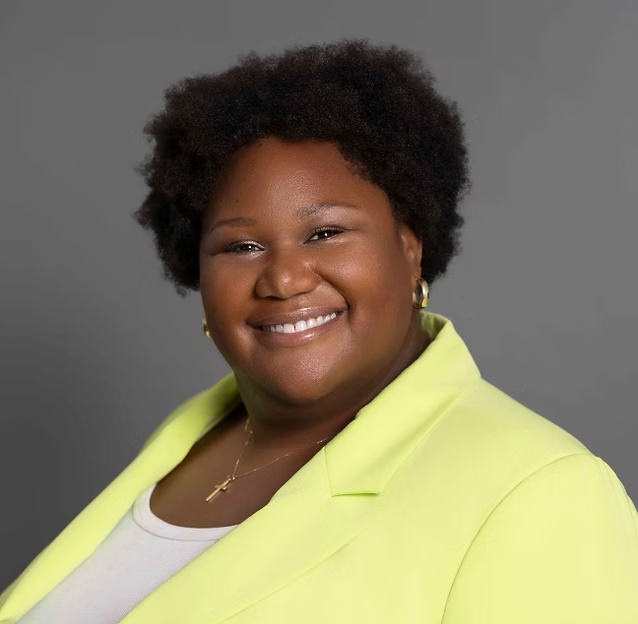
By: Venee Galloway, CPCU, CBIA, CLCS, SBCS
Director of Commercial Insurance
Projecting 2026 Insurance Costs in the Arlington Market
Average Premium Rates by Industry and Risk Class
Workers compensation premiums are calculated using a formula: payroll divided by 100, multiplied by the rate assigned to your industry classification code. Virginia's rates are set by the National Council on Compensation Insurance (NCCI), which files annual rate recommendations with the State Corporation Commission.
| Industry Sector | Approximate Rate per $100 of Payroll | Typical Arlington Example |
|---|---|---|
| Office/Clerical | $0.15 - $0.30 | Consulting firms in Rosslyn |
| Retail | $0.50 - $1.50 | Shops along Wilson Boulevard |
| Restaurants | $1.50 - $3.00 | Dining establishments in Clarendon |
| Construction | $5.00 - $15.00+ | Residential builds near Columbia Pike |
| Healthcare | $1.50 - $4.00 | Medical offices in Ballston |
A Rosslyn-based consulting firm with $500,000 in annual payroll and a clerical rate of $0.20 per $100 would pay roughly $1,000 annually. A construction contractor with the same payroll and a rate of $10.00 per $100 would face a $50,000 premium. The disparity underscores why accurate classification matters enormously.
The Role of the Experience Modification Rate (EMR)
Your EMR is a multiplier that adjusts your base premium based on your company's claims history relative to other businesses in the same classification. An EMR of 1.0 is the industry average. A safer employer might carry an EMR of 0.80, reducing premiums by 20 percent. A business with frequent or severe claims could see an EMR of 1.30 or higher, inflating costs by 30 percent or more.
The EMR calculation typically uses a five-to-seven-year lookback period of claims data. One serious injury on a job site near the Potomac shoreline or a repetitive stress claim from an office worker in Crystal City can ripple through your premiums for years. Proactive safety programs are not just ethical: they are financially essential.
Arlington Cost of Living Adjustments and Medical Inflation
Northern Virginia's medical costs consistently exceed the national average. Emergency room visits, orthopedic surgeries, and physical therapy sessions in Arlington command higher fees than in most other Virginia jurisdictions. Because workers compensation medical benefits are paid at the provider's usual and customary rate, Arlington employers should expect claims costs to reflect this regional premium.
Heading into 2026, medical inflation in the D.C. metro area is projected to remain above 5 percent annually. This trend puts upward pressure on loss costs, which in turn influences the rates NCCI files for Virginia. Employers who do not actively manage claims and promote return-to-work programs will feel the squeeze most acutely.
Core Benefits and Coverage Scope for Virginia Employees
Medical Expenses and Wage Replacement Standards
Virginia workers compensation covers all reasonable and necessary medical treatment related to a workplace injury or occupational disease. There is no deductible or copay for the injured employee. The employer or its insurer selects the treating physician, though employees may petition the Commission for a change if dissatisfied with care.
Wage replacement benefits are paid at two-thirds of the employee's average weekly wage, subject to a statutory maximum that is adjusted annually. For 2026, the maximum is expected to track at or near 100 percent of the state's average weekly wage. Temporary total disability benefits continue until the employee reaches maximum medical improvement or returns to work, whichever occurs first.
Vocational Rehabilitation and Permanent Disability
When an injury prevents a worker from returning to their previous role, Virginia law provides vocational rehabilitation services. These can include job retraining, education assistance, and job placement support. An Arlington office worker who suffers a permanent hand injury, for example, may receive training for a role that does not require the same manual dexterity.
Permanent partial disability benefits are calculated based on the body part affected and the degree of impairment. Permanent total disability, reserved for the most severe cases, provides ongoing wage replacement for the duration of the disability. Death benefits include burial expenses and ongoing payments to eligible dependents.

Arlington-Specific Risk Management and Safety Programs
Implementing OSHA Standards in Urban Workspaces
Arlington's dense urban environment creates workplace hazards that differ from rural Virginia. Construction crews working on mixed-use developments near the Ballston Metro station face fall risks, confined space hazards, and proximity to vehicular traffic. Office employers in high-rise buildings must address ergonomic injuries, which account for a growing share of claims in sedentary work environments.
OSHA's general duty clause applies to all Arlington employers, and targeted standards for construction, healthcare, and general industry should form the foundation of any safety program. Regular hazard assessments, documented training sessions, and prompt incident investigations demonstrate a commitment to safety that can directly lower your EMR over time.
Premium Discount Programs for Safe Workplaces
Virginia insurers frequently offer premium credits to employers who maintain formal safety programs. A written safety manual, regular employee training, drug-free workplace policies, and return-to-work programs can each contribute to discounts ranging from 2 to 10 percent. Some carriers offer additional credits for businesses that participate in industry-specific safety certifications.
ABP Insurance Agency, Inc., an independent agency based in nearby Fairfax with over 150 years of combined staff experience, regularly helps Arlington businesses identify which carriers offer the most favorable safety credits. Because ABP Insurance Agency, Inc. compares policies from more than 25 carriers, clients receive tailored recommendations rather than a one-size-fits-all quote.
How to Secure and Manage Coverage in Northern Virginia
Most Arlington employers obtain coverage through private insurance carriers operating in Virginia's competitive marketplace. An independent agency can compare rates, coverage terms, and carrier financial strength on your behalf. This approach typically yields better pricing than going directly to a single carrier, especially for businesses with moderate risk profiles.
Employers who cannot obtain coverage in the voluntary market due to high EMRs, new business status, or hazardous operations may be placed in the assigned risk pool. Assigned risk premiums are generally higher, and coverage terms are less flexible. Working with an experienced agency to improve your risk profile and transition back to the voluntary market should be a priority if you find yourself in this position.
The Claims Filing Process: A Step-by-Step Guide
- Report the injury to your employer immediately; Virginia law requires written notice within 30 days, though prompt reporting protects both parties.
- The employer files a First Report of Injury with the insurer and the Virginia Workers' Compensation Commission within 10 days.
- The insurer investigates the claim and issues an acceptance or denial, typically within 21 days.
- If accepted, medical treatment begins under the insurer's direction, and wage replacement benefits commence after a seven-day waiting period.
- Disputes are resolved through the Commission's hearing process, where both parties may present evidence and testimony.
Keeping detailed records of every workplace incident, no matter how minor, strengthens your position whether you are the employer or the injured worker.
Frequently Asked Questions
Do I need workers comp if I only have one employee? No. Virginia's mandate applies to employers with two or more employees. However, carrying voluntary coverage even with one employee can protect you from personal liability.
Are independent contractors covered? Not automatically. But if the Commission determines a worker has been misclassified, you could be held responsible for benefits and penalties retroactively.
Can my employee choose their own doctor? The employer or insurer selects the initial treating physician. The employee may request a panel change through the Commission if care is inadequate.
How long do benefits last? Temporary total disability benefits continue until the employee reaches maximum medical improvement or returns to work. Permanent total disability benefits can last indefinitely.
Does workers comp cover mental health claims? Virginia allows mental health claims only when they arise from a physical workplace injury. Standalone psychological claims without a physical component are generally not compensable.
Virginia's workers compensation requirements for 2026 demand attention from every Arlington employer, whether you run a two-person startup near Courthouse or a 200-employee firm in Pentagon City. The costs are real but manageable with accurate classification, strong safety programs, and the right carrier match. ABP Insurance Agency, Inc. serves the Arlington community in nine languages, including Spanish, Vietnamese, Korean, and Mandarin, and holds 120+ 5-Star Google Reviews from businesses across Northern Virginia. Request a quote through their online portal or call to speak with an advisor who can walk you through your coverage options and identify savings you may be missing.
Our Reviews
Trusted Advice, Proven Results
See what our clients have to say about their experience working with us, or share feedback about your experience.

PERSONAL INSURANCE
Protect What Matters Most
Home, auto, and life coverage at competitive rates from 25+ carriers.
Home Insurance
Covers your home and belongings from events like fire, theft, or storms. Ensures peace of mind with clear, reliable coverage for houses, condos, apartments, and rentals
Auto Insurance
Covers vehicle repairs, liability, and medical costs from accidents. Protects you and your car with easy-to-understand policies that meet Virginia requirements.
Umbrella Insurance
Provides extra liability coverage beyond home and auto policies. Adds protection for unexpected situations that exceed your standard policy limits.
Renters Insurance
Covers your personal belongings and provides liability protection if you rent your home. Replaces items damaged by fire, theft, or water at a low monthly cost.
Condo Insurance
Fills the coverage gaps your HOA master policy leaves open. Protects your unit's interior, personal property, and liability from covered losses.
Classic & Specialty Vehicles
Coverage for classic cars, motorcycles, ATVs, boats, and RVs. We partner with specialty carriers like Hagerty to protect vehicles that standard auto policies do not cover.
BUSINESS INSURANCE
Secure What You've Built
Coverage solutions for growing companies backed by decades of commercial experience.






INDUSTRIES WE SERVE
Virginia's Businesses We Protect
Insurance solutions to help Virginia businesses protect their assets, employees, and operations.


FAQs
Your Questions, Answered
Explore our FAQs to get answers to some of the most common questions about our insurance solutions and services.
What languages do your agents speak?
We have agents who are fluent in Spanish, Vietnamese, Mandarin, Cantonese, Korean, Hindi, Urdu, and Punjabi. If you prefer a language other than English, just let us know!
Who do you typically work with?
We work with clients at all stages of life—from young professionals and growing families to high-net-worth individuals and retirees. We work with both small and large companies. No matter where you are on your journey, we can provide insurance solutions that align with your needs.
How do I get started?
It’s easy! Simply click here to get started. From there you will be able to seamlessly transfer your current coverage information to us or answer a few questions and one of our agents will be in touch.
How do you charge for your services?
We never charge fees for our service. As independent agents, we are paid by the insurance company after the policies you select are issued. Our compensation is a small percentage of the policy premium.
What makes ABP Insurance different from other insurance providers?
ABP Insurance is an independent agency. We work with over 25 insurance carriers to find the best coverage and rates for your needs. We do not represent a single company — we represent you. Our team also speaks nine languages, making us one of the most accessible agencies in Northern Virginia. We combine modern technology with personal service so clients get fast quotes, clear explanations, and ongoing support throughout their policy term.
What areas does ABP Insurance serve?
Our office is in Falls Church, Virginia, and we serve clients throughout Northern Virginia, the greater D.C. metro area, and beyond. We currently write policies in Virginia, Maryland, Washington D.C., Massachusetts, New Hampshire, Maine, Georgia, Texas, and North Carolina. Because we work with many of the largest national carriers, we can often help clients who own property in multiple states or who are relocating.
Contact Us
Phone Number:
703-846-0558
Email Address:
info@abpinsurance.com
Located at: 8315 US-29 Ste 215, Fairfax, VA 22031, United States
In-Person by Appointment Only