
The Importance of Specialized Insurance for Virginia Youth Programs
Running an after-school program in Virginia means accepting responsibility for children during some of their most vulnerable hours, and that responsibility carries significant financial and legal weight. A single accident on the playground, an allegation of misconduct, or a transportation incident can expose your organization to claims that threaten its very existence. After-school program insurance in Virginia provides the coverage, cost management, and compliance framework that protects both the children you serve and the organization you have built.
Virginia maintains specific regulations for youth-serving organizations, and insurance requirements vary based on your program type, location, and the activities you offer. Whether you operate a tutoring center in Richmond, a sports-focused program in Northern Virginia, or an arts enrichment organization in Hampton Roads, your insurance needs will differ substantially. The coverage that protects a small church-based homework club will not adequately shield a large recreational program with field trips and athletic activities.
ABP Insurance Agency, Inc. works with after-school program operators throughout the Commonwealth to identify coverage gaps and secure policies from multiple top carriers. This independent approach allows programs to compare options rather than accepting a single insurer's terms, often resulting in better protection at more competitive rates.
Navigating Virginia's Legal Requirements for Childcare Services
Virginia's Department of Education and Department of Social Services both play roles in regulating youth programs, though requirements depend on your specific operation. Programs operating within public schools may fall under different oversight than independent facilities, and religious organizations sometimes qualify for exemptions from certain licensing requirements. However, exemption from licensing does not mean exemption from liability, and most facilities, landlords, and grant-making organizations require proof of insurance regardless of licensing status.
The Virginia Childcare Provider Scholarship Program and various federal funding sources typically mandate minimum insurance coverage as a condition of participation. Programs seeking contracts with school districts or municipal recreation departments will encounter specific insurance thresholds written into those agreements.
Common Risks and Liabilities in After-School Environments
Children in after-school settings face risks that differ from traditional classroom environments. Fatigue after a full school day can lead to reduced attention and increased accident potential. Mixed age groups, less structured activities, and transitions between locations create supervision challenges. Common claims against after-school programs include slip-and-fall injuries, sports-related accidents, bullying incidents, allegations of improper supervision, and transportation mishaps.
Property damage claims also arise when children accidentally damage equipment, facilities, or third-party property during activities. Food service operations introduce allergen exposure risks, while technology-based programs may face data privacy concerns.

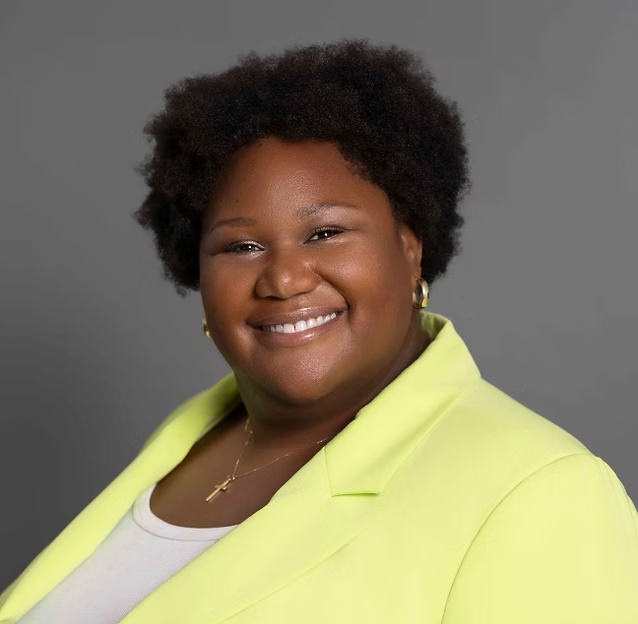
By: Venee Galloway, CPCU, CBIA, CLCS, SBCS
Director of Commercial Insurance
Core Coverage Types for Comprehensive Protection
Building a complete insurance portfolio for your Virginia after-school program requires understanding how different coverage types work together to eliminate gaps. No single policy addresses every risk, and programs that rely solely on general liability often discover painful coverage limitations after an incident occurs.
General Liability and Abuse/Molestation Coverage
General liability insurance forms the foundation of most after-school program policies, covering bodily injury and property damage claims arising from your operations. If a child falls on your premises, damages a neighbor's property, or sustains an injury during a supervised activity, general liability responds to those claims. Most policies provide coverage for legal defense costs even when claims prove unfounded.
Abuse and molestation coverage requires special attention because standard general liability policies often exclude or severely limit these claims. Given the heightened exposure that youth-serving organizations face, dedicated abuse and molestation coverage is not optional. This coverage protects your organization when allegations arise, funding investigation costs, legal defense, and settlements or judgments. ABP Insurance Agency, Inc. emphasizes that programs should verify this coverage exists within their policies rather than assuming it is included.
Professional Liability for Educators and Caregivers
Professional liability, sometimes called errors and omissions coverage, protects against claims arising from the professional services your staff provides. If a tutor's instruction allegedly causes educational harm, if counseling services lead to claims of improper advice, or if your program fails to identify and report suspected abuse, professional liability coverage responds. This protection extends to claims that general liability specifically excludes.
Commercial Property and Equipment Insurance
Your physical assets, including computers, sports equipment, musical instruments, and furniture, represent significant investment.
Commercial property coverage
protects against theft, fire, vandalism, and other covered perils. Programs operating in leased space should verify whether the landlord's policy covers tenant property, as most do not. Equipment breakdown coverage
may prove valuable for programs relying on technology or specialized machinery.
Virginia Workers' Compensation and Employee Safety
Staff injuries represent a significant exposure for after-school programs, where employees often engage in physical activities alongside children and may lift equipment, supervise outdoor play, or intervene in behavioral situations.
State Thresholds for Mandatory Coverage
Virginia law requires workers' compensation insurance for employers with three or more employees, including part-time workers. Programs that use a mix of paid staff and volunteers must carefully track employee counts, as crossing the threshold without obtaining coverage creates serious legal and financial exposure. Penalties for non-compliance include fines and personal liability for business owners.
Even programs below the mandatory threshold should consider voluntary workers' compensation coverage. Without it, injured employees may pursue claims directly against the organization, and those claims are not covered by general liability policies. The following table illustrates key differences:
| Factor | With Workers' Comp | Without Workers' Comp |
|---|---|---|
| Employee medical costs | Covered by policy | Organization's responsibility |
| Lost wages | Covered by policy | Potential lawsuit exposure |
| Employee lawsuits | Generally prohibited | Permitted in most cases |
| State compliance | Met | Potential penalties if 3+ employees |

Managing Transportation and Off-Site Activity Risks
Field trips and off-site activities enhance programming but introduce risks that require specific insurance solutions. Standard general liability and auto policies often contain exclusions that leave programs exposed during these activities.
Hired and Non-Owned Auto Insurance for Field Trips
If your program uses rented vehicles, employee personal vehicles, or volunteer drivers for transportation, hired and non-owned auto insurance is essential. This coverage responds when accidents occur in vehicles your organization does not own but uses for business purposes. Without it, your organization may face claims that the vehicle owner's personal policy does not fully cover.
Programs that own vehicles need commercial auto insurance with appropriate liability limits. Virginia requires minimum auto liability coverage, but those minimums rarely provide adequate protection when children are passengers. Higher limits and medical payments coverage should be considered standard for youth transportation.
Accident Medical Insurance for Student Injuries
Accident medical coverage, sometimes called student accident insurance, pays medical expenses for children injured during program activities regardless of fault. This coverage provides several benefits: it addresses medical costs quickly, reduces the likelihood that families will pursue claims against your organization, and demonstrates your commitment to participant welfare. Coverage typically applies during supervised activities and may extend to transportation.
Understanding what drives your premium costs helps you make informed decisions about coverage and identify opportunities for savings without sacrificing protection.
Impact of Program Size, Location, and Activity Type
Insurers evaluate multiple factors when pricing after-school program policies. Enrollment size directly affects premium calculations, as more children mean more potential claims. Your location matters because urban programs in Northern Virginia may face different risk profiles than rural programs in Southwest Virginia. The activities you offer significantly influence pricing, with sports programs and outdoor activities typically commanding higher premiums than tutoring-focused operations.
Your claims history carries substantial weight in premium calculations. Programs with prior claims, particularly those involving injuries or abuse allegations, will face higher costs and may struggle to find coverage. Facility condition, staff training documentation, and background check procedures also factor into underwriting decisions.
Risk Mitigation Strategies to Lower Insurance Costs
Proactive risk management can reduce premiums while improving safety outcomes. Documented policies and procedures demonstrate organizational maturity to insurers. Staff training programs, particularly those addressing supervision protocols, emergency response, and abuse prevention, show commitment to loss prevention. Background check procedures that exceed minimum requirements signal responsible hiring practices.
Physical safety improvements, such as proper playground surfacing, adequate lighting, and secure entry systems, reduce both actual risk and perceived risk. Programs that maintain incident logs and conduct regular safety audits provide insurers with evidence of ongoing risk management efforts.
Steps to Securing a Policy and Maintaining Compliance
Obtaining appropriate coverage begins with honest assessment of your program's operations and exposures. Gather information about enrollment numbers, staff counts, activities offered, facilities used, and transportation practices before approaching insurers or agents. Incomplete or inaccurate information can result in coverage gaps or claim denials.
Working with an independent agency like ABP Insurance Agency, Inc. allows you to compare offerings from multiple carriers rather than accepting a single company's terms. This approach often identifies coverage options and pricing that captive agents cannot offer. With service available in nine languages, including Spanish, Vietnamese, Korean, and Mandarin, ABP Insurance Agency, Inc. ensures that program operators throughout Virginia's diverse communities can discuss their coverage needs clearly.
Once coverage is secured, compliance requires ongoing attention. Policy renewal dates, certificate of insurance requests from facilities or funders, and changes in your operations all demand timely action. Expanding activities, adding locations, or increasing enrollment may require policy adjustments to maintain adequate protection.
Frequently Asked Questions
How much does after-school program insurance typically cost in Virginia? Annual premiums range from approximately $1,500 for small tutoring programs to $15,000 or more for large recreational programs with transportation. Activity type, enrollment, and claims history significantly affect pricing.
Do volunteer-only programs need insurance? Yes. Volunteer status does not eliminate liability exposure, and injuries to volunteers or participants can still generate claims against your organization.
Does my church's insurance cover our after-school program? Possibly, but often with significant limitations. Church policies frequently exclude or limit coverage for youth programs, particularly those serving non-members or involving transportation.
What happens if a parent sues after their child is injured? Your general liability policy responds to covered claims, funding legal defense and any settlement or judgment up to policy limits. Claims exceeding those limits become your organization's responsibility.
Are background checks required for insurance coverage? Most insurers require or strongly encourage comprehensive background checks for all staff and volunteers with child access. Failure to conduct checks can result in claim denials.
Making the Right Coverage Decision
Protecting your Virginia after-school program requires coverage that matches your actual operations and exposures. Generic policies and minimum limits leave organizations vulnerable when serious claims arise. The investment in comprehensive insurance pays dividends through financial protection, compliance with funder requirements, and peace of mind for staff and families alike.
If you are uncertain whether your current coverage adequately protects your program, or if you are launching a new operation and need guidance on requirements, speaking with an experienced agent can clarify your options.
Request a free quote
from ABP Insurance Agency, Inc. to compare coverage from multiple carriers and find protection that fits your program's needs and budget.
Our Reviews
Trusted Advice, Proven Results
See what our clients have to say about their experience working with us, or share feedback about your experience.

PERSONAL INSURANCE
Protect What Matters Most
Home, auto, and life coverage at competitive rates from 25+ carriers.
Home Insurance
Covers your home and belongings from events like fire, theft, or storms. Ensures peace of mind with clear, reliable coverage for houses, condos, apartments, and rentals
Auto Insurance
Covers vehicle repairs, liability, and medical costs from accidents. Protects you and your car with easy-to-understand policies that meet Virginia requirements.
Umbrella Insurance
Provides extra liability coverage beyond home and auto policies. Adds protection for unexpected situations that exceed your standard policy limits.
Renters Insurance
Covers your personal belongings and provides liability protection if you rent your home. Replaces items damaged by fire, theft, or water at a low monthly cost.
Condo Insurance
Fills the coverage gaps your HOA master policy leaves open. Protects your unit's interior, personal property, and liability from covered losses.
Classic & Specialty Vehicles
Coverage for classic cars, motorcycles, ATVs, boats, and RVs. We partner with specialty carriers like Hagerty to protect vehicles that standard auto policies do not cover.
BUSINESS INSURANCE
Secure What You've Built
Coverage solutions for growing companies backed by decades of commercial experience.






INDUSTRIES WE SERVE
Virginia's Businesses We Protect
Insurance solutions to help Virginia businesses protect their assets, employees, and operations.



FAQs
Your Questions, Answered
Explore our FAQs to get answers to some of the most common questions about our insurance solutions and services.
What languages do your agents speak?
We have agents who are fluent in Spanish, Vietnamese, Mandarin, Cantonese, Korean, Hindi, Urdu, and Punjabi. If you prefer a language other than English, just let us know!
Who do you typically work with?
We work with clients at all stages of life—from young professionals and growing families to high-net-worth individuals and retirees. We work with both small and large companies. No matter where you are on your journey, we can provide insurance solutions that align with your needs.
How do I get started?
It’s easy! Simply click here to get started. From there you will be able to seamlessly transfer your current coverage information to us or answer a few questions and one of our agents will be in touch.
How do you charge for your services?
We never charge fees for our service. As independent agents, we are paid by the insurance company after the policies you select are issued. Our compensation is a small percentage of the policy premium.
What makes ABP Insurance different from other insurance providers?
ABP Insurance is an independent agency. We work with over 25 insurance carriers to find the best coverage and rates for your needs. We do not represent a single company — we represent you. Our team also speaks nine languages, making us one of the most accessible agencies in Northern Virginia. We combine modern technology with personal service so clients get fast quotes, clear explanations, and ongoing support throughout their policy term.
What areas does ABP Insurance serve?
Our office is in Falls Church, Virginia, and we serve clients throughout Northern Virginia, the greater D.C. metro area, and beyond. We currently write policies in Virginia, Maryland, Washington D.C., Massachusetts, New Hampshire, Maine, Georgia, Texas, and North Carolina. Because we work with many of the largest national carriers, we can often help clients who own property in multiple states or who are relocating.
Contact Us
Phone Number:
703-846-0558
Email Address:
info@abpinsurance.com
Located at: 8315 US-29 Ste 215, Fairfax, VA 22031, United States
In-Person by Appointment Only