
A home health caregiver finishes a wound care visit, climbs into her personal sedan, and drives across town to pick up a patient's prescription. On the way back, she rear-ends another vehicle at a stoplight. The patient's family wants answers, the other driver's attorney wants compensation, and the caregiver's personal auto insurer is reviewing the claim with one critical question: was this trip for business purposes? Scenarios like this play out thousands of times each year, and they expose a gap that many
home health agencies do not realize exists until a claim is denied. Hired and non-owned auto insurance protects agencies when employees or contractors use personal or rented vehicles for work-related tasks, covering liability for patient errands, medical transport, and routine travel between client homes. Without it, agencies face direct financial exposure for accidents that personal auto policies may refuse to pay. The stakes have been rising, too. As of January 1, 2025, California doubled its minimum liability limits under Senate Bill 1107, a change that signals
higher financial thresholds for anyone operating vehicles in the state. Virginia, where ABP Insurance Agency, Inc. is based, already requires 50/100/25 minimums along with mandatory UM/UIM coverage. Understanding how HNOA policies work, where they apply, and what they do not cover is essential for any agency that sends caregivers into the field.
Understanding Hired and Non-Owned Auto Insurance (HNOA)
HNOA is a commercial liability endorsement, typically added to a general liability or business auto policy, that responds when an employee causes an accident while driving a vehicle the business does not own. The "hired" portion applies to vehicles the agency rents or leases on a short-term basis. The "non-owned" portion covers liability arising from employees using their own personal cars for agency business.
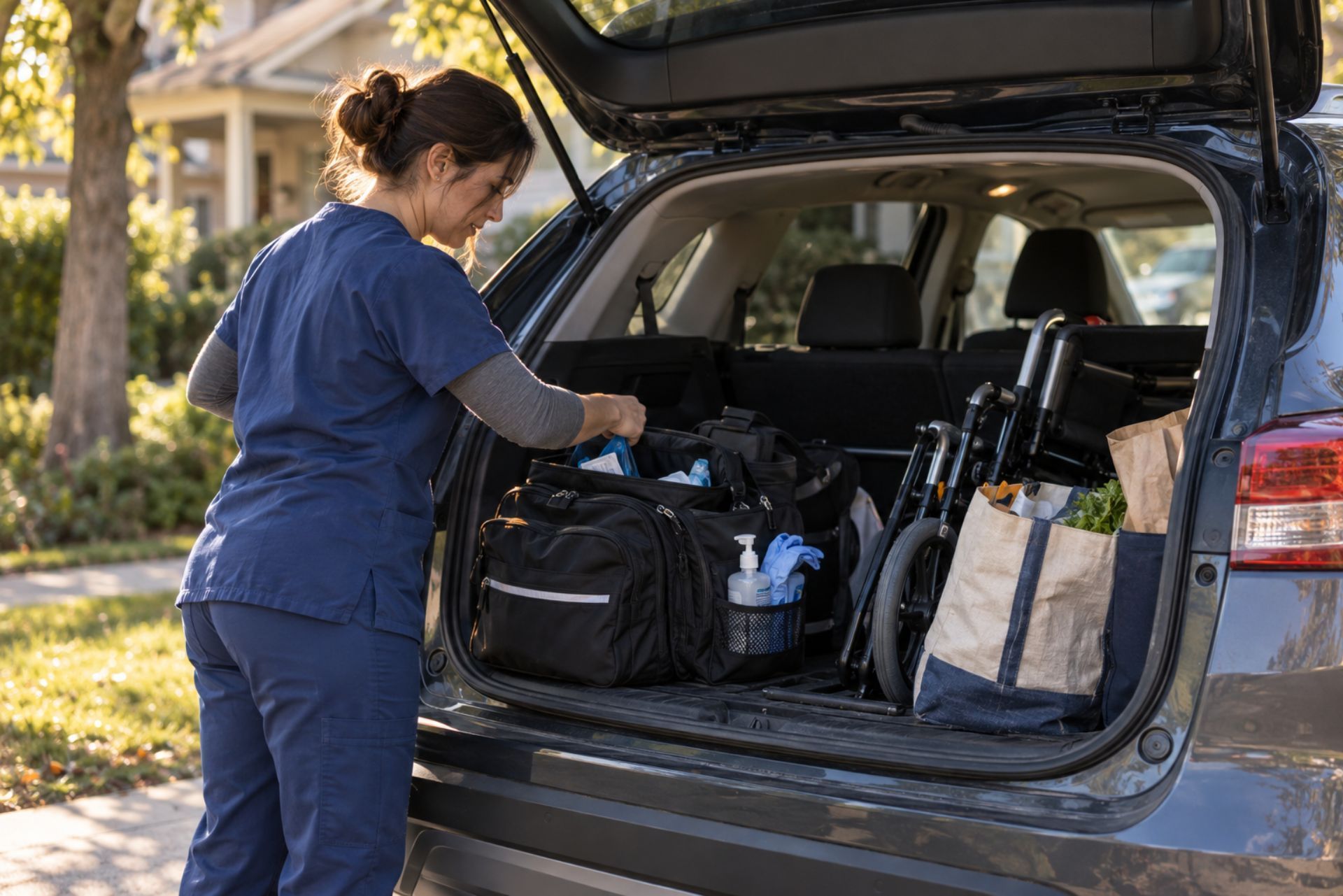
For home health agencies, the exposure is constant. Caregivers travel between patient homes, stop at pharmacies, transport clients to medical appointments, and occasionally pick up medical supplies. Each of those trips creates a liability window. If a caregiver causes an accident during any work-related drive, the injured party can sue both the caregiver and the agency. HNOA exists to absorb that agency-level liability, functioning as excess coverage above whatever personal auto insurance the caregiver carries. Home health agencies that rely on general liability alone often discover critical gaps when auto-related claims arise.
Why Personal Auto Policies Often Fail Home Health Workers
Most personal auto policies contain exclusions for regular business use of a vehicle. A caregiver who drives to and from a single workplace each day is commuting, which personal policies generally cover. But a caregiver who drives from patient home to patient home throughout the day, picking up prescriptions and transporting clients, is engaged in commercial activity. Personal insurers can deny claims or reduce payouts when they determine the vehicle was being used for business purposes at the time of the accident.
The denial does not just affect the caregiver. It leaves the agency without a first layer of defense, meaning the HNOA policy may need to respond as primary coverage rather than excess. That distinction can dramatically change how claims are handled and how quickly policy limits are reached.
Liability Protection for Patient Errands and Medical Transport
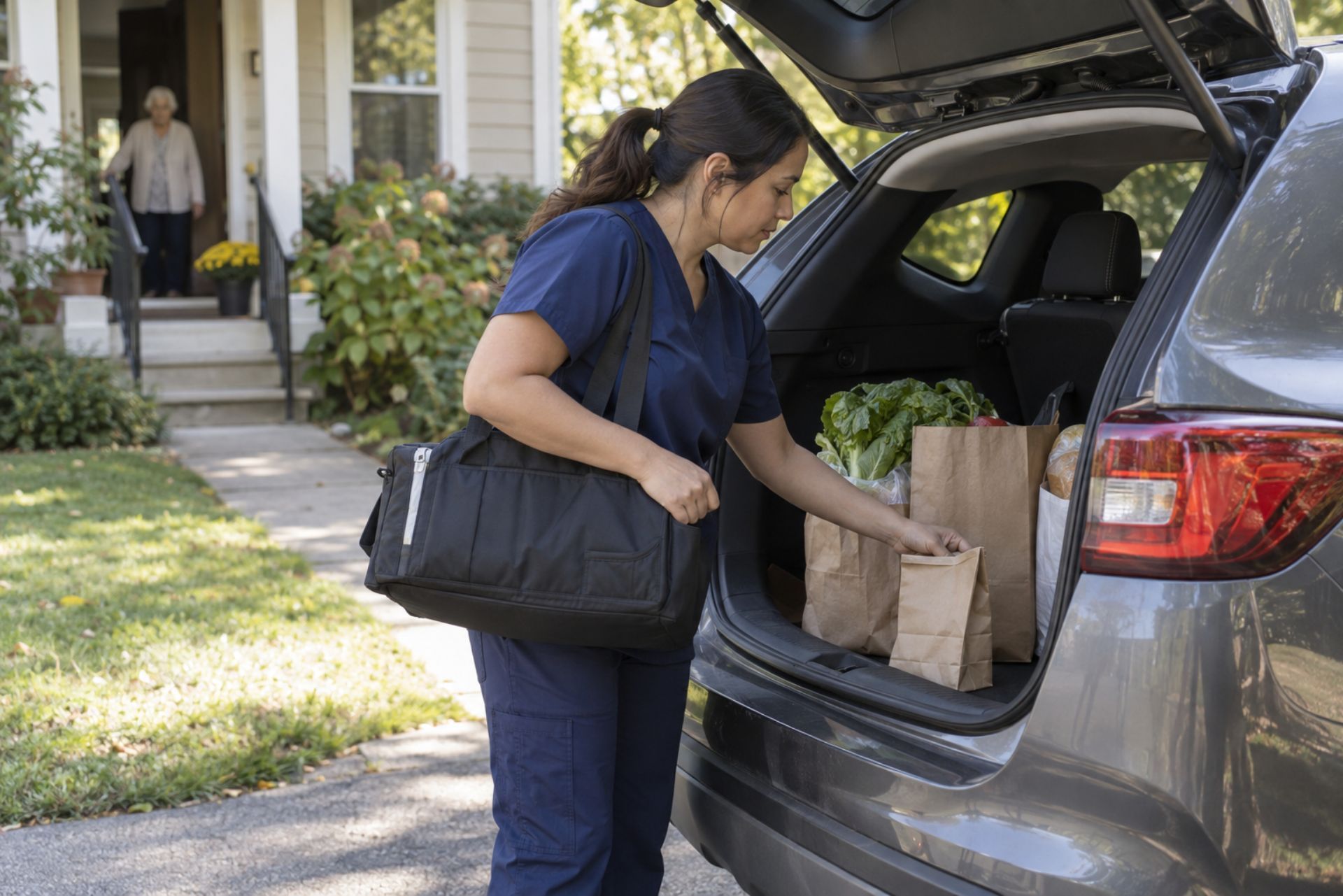
Patient errands represent one of the most common and most underestimated exposure points for home health agencies. A caregiver picking up a prescription, delivering lab samples, or driving a patient to a follow-up appointment is acting within the scope of employment. If an accident occurs during any of these tasks, the agency bears vicarious liability.
HNOA coverage responds to third-party bodily injury and property damage claims that arise from these activities. It does not, however, cover the caregiver's own injuries or damage to the caregiver's vehicle. Agencies should verify that their HNOA limits align with the jurisdictions where caregivers operate, especially in states like California where
new minimum coverage requirements took effect in 2025.
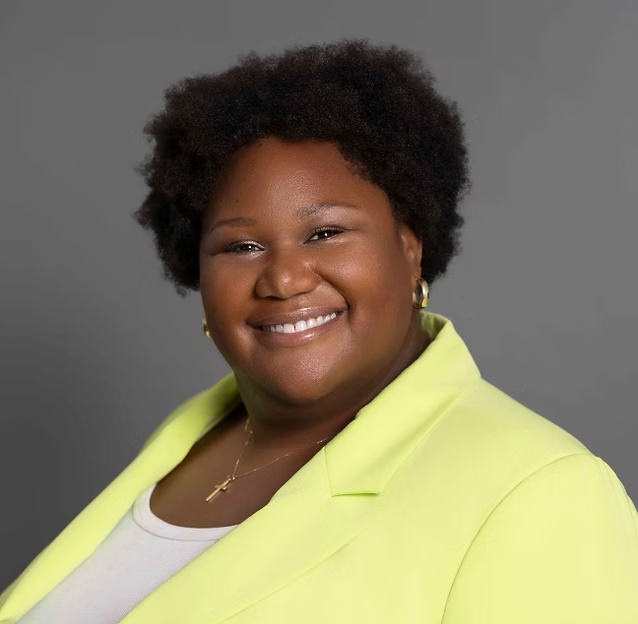
By: Venee Galloway, CPCU, CBIA, CLCS, SBCS
Director of Commercial Insurance
Managing Risks with Employee-Owned Vehicles
The majority of home health agencies do not maintain a fleet of company vehicles. Caregivers use their own cars, which creates a layered insurance problem. The caregiver's personal policy is expected to respond first, the HNOA policy responds second, and the agency's umbrella or excess policy responds third. If any layer is missing or inadequate, the entire structure weakens.
Agencies should require proof of personal auto insurance from every caregiver who drives for work, with minimum limits that meet or exceed state requirements. Many agencies set internal minimums higher than the state floor, requiring 100/300/100 limits to ensure adequate first-layer protection. A written vehicle use policy that defines acceptable use, required maintenance, and reporting obligations after accidents is not optional; it is a core risk management tool.
The Difference Between Commuting and Work-Related Driving
Commuting is the drive from home to a fixed workplace and back. Work-related driving is everything else: travel between patient homes, trips to pharmacies, transport of clients, and any errand performed on behalf of the agency or a patient. Personal auto policies typically cover commuting but may exclude or limit coverage for work-related driving.
This distinction matters because a caregiver who leaves her home and drives directly to a patient's house is arguably commuting. But the moment she leaves that patient's home and drives to a second patient, she is engaged in work-related travel. The line is not always clear, and insurers will scrutinize the purpose of each trip when evaluating a claim. Agencies that do not educate their caregivers on this distinction risk claim denials that could have been prevented.
Mileage Reimbursement vs. Primary Insurance Obligations
Paying caregivers a per-mile reimbursement does not transfer the agency's liability exposure. Mileage reimbursement compensates the employee for fuel and vehicle wear. It does not create, replace, or supplement insurance coverage. An agency that reimburses mileage but carries no HNOA policy is still fully exposed to vicarious liability if a caregiver causes an accident during a work-related trip.
Some agencies mistakenly believe that reimbursing mileage makes the caregiver an
independent contractor for insurance purposes. That is incorrect in most jurisdictions. If the agency controls when, where, and how the caregiver performs work, the caregiver is functionally an employee regardless of how compensation is structured. The cost of HNOA coverage for home health providers is modest compared to the financial exposure of even a single uninsured accident.
Coverage Limits and Critical Gaps to Avoid
HNOA policies are sold with per-occurrence and aggregate limits, typically starting at $1 million per occurrence and $2 million aggregate. Agencies operating in high-traffic urban areas or states with elevated minimum requirements should consider higher limits. An umbrella policy layered on top of the HNOA can extend protection to $5 million or more.
The most common gap is assuming HNOA covers everything related to vehicle use. It does not. HNOA is a liability-only product. It pays for damage and injury the caregiver causes to others. It does not pay for the caregiver's medical bills, the caregiver's vehicle repairs, or damage to cargo inside the vehicle. Agencies that want broader protection need to layer HNOA with other coverages, including workers' compensation for employee injuries and hired auto physical damage for rented vehicles.
Comparison: Personal Auto vs. HNOA Coverage
| Feature | Personal Auto Policy | HNOA Policy |
|---|---|---|
| Covers commuting | Yes | No (not designed for this) |
| Covers work-related driving | Often excluded or limited | Yes, liability only |
| Protects the agency | No | Yes |
| Covers damage to driver's vehicle | Yes (with collision/comp) | No |
| Covers third-party bodily injury | Yes, up to policy limits | Yes, up to policy limits |
| Responds to patient transport claims | Unlikely if business use excluded | Yes |
| Typical limits | State minimums (e.g., 50/100/25 in VA) | $1M per occurrence / $2M aggregate |
Physical Damage Exclusions for Caregiver Vehicles
HNOA does not cover physical damage to a caregiver's personal vehicle, period. If a caregiver's car is totaled during a work-related trip, the caregiver must rely on her own collision coverage to repair or replace the vehicle. The agency has no obligation under an HNOA policy to pay for vehicle repairs, though some agencies choose to carry a separate hired auto physical damage endorsement for vehicles they rent or lease.
This exclusion is one of the most frequently misunderstood aspects of the coverage. Caregivers often assume that if they are driving for work and their car is damaged, the agency's insurance will pay. Agencies should communicate this exclusion clearly during onboarding and require caregivers to carry adequate collision and comprehensive coverage on their personal policies. Home health aide insurance costs vary by state and coverage level, but the investment protects against claims that could otherwise threaten the agency's financial stability.
Common Questions About Caregiver Auto Insurance
Does my personal insurance cover me if I crash while picking up a patient's prescription?
It depends on your policy. Many personal auto insurers exclude or limit coverage for regular business use of a vehicle. If your insurer determines the trip was commercial in nature, your claim may be denied or reduced. Your agency's HNOA policy would then respond to third-party liability, but your own vehicle damage would still fall to your personal collision coverage.
If I pay my employees for mileage, am I automatically covered for their accidents?
No. Mileage reimbursement is a compensation tool, not an insurance product. Paying mileage does not create liability protection for the agency or the employee. You need a separate HNOA policy to cover the agency's vicarious liability when employees drive their own vehicles for work.
What happens if a patient is injured while riding in a caregiver's car?
The patient can file a claim against both the caregiver and the agency. The caregiver's personal auto liability coverage would respond first, followed by the agency's HNOA policy. If the combined limits are insufficient, the patient may pursue the agency's assets directly. Agencies transporting patients regularly should carry higher HNOA limits and consider a commercial umbrella policy.
Does HNOA pay for the repairs to my employee's actual vehicle?
No. HNOA covers third-party liability only. It does not pay for damage to the employee's vehicle, the employee's medical bills, or any cargo inside the vehicle. Employees must rely on their own collision and comprehensive coverage for vehicle repairs.
Is HNOA required by law for home health agencies?
HNOA is not universally mandated by state law, but many states require home health agencies to carry commercial auto coverage if employees drive for work purposes. California, for example, has
specific insurance requirements for home care organizations that effectively make HNOA or equivalent coverage a practical necessity. Virginia requires all vehicles to carry minimum liability limits of 50/100/25, and agencies whose employees drive for business are expected to ensure adequate coverage exists.
Comparison of Liability Protection Levels
| Protection Level | What It Covers | Who It Protects | Typical Cost Range |
|---|---|---|---|
| Personal auto only | Commuting, personal errands | Driver only | $1,200 - $2,400/year |
| Personal auto + HNOA | Work-related liability for agency | Driver + Agency | Add $300 - $800/year for HNOA |
| Personal auto + HNOA + Umbrella | Extended liability above primary limits | Driver + Agency + Assets | Add $1,000 - $3,000/year for umbrella |
| Full commercial auto | All business vehicle use, hired/non-owned | Agency + Fleet drivers | $3,000 - $10,000+/year |
Agencies with fewer than five caregivers often find that personal auto plus HNOA provides adequate protection. Larger agencies with frequent patient transport should evaluate full commercial auto policies or higher umbrella limits. ABP Insurance Agency, Inc. compares policies from over 25 carriers to help agencies identify the right combination of coverage and cost, with agents available in nine languages including Spanish, Vietnamese, Korean, and Mandarin.
Making the Right Choice for Your Agency
Every home health agency that sends caregivers into the field in personal vehicles carries auto liability exposure whether or not it carries auto liability insurance. HNOA coverage closes the gap between what personal auto policies exclude and what the agency owes when a work-related accident occurs. The cost is modest, the protection is significant, and the alternative is absorbing claims out of pocket or facing lawsuits with no insurance response.
Your agency should require personal auto insurance from every caregiver, set internal minimum limits above state floors, and carry HNOA with limits appropriate for your volume of patient visits and transport. Layering an umbrella policy on top of that structure provides a final buffer against catastrophic claims. If you are unsure whether your current coverage addresses these exposures, a professional review can identify gaps before a claim forces the issue. ABP Insurance Agency, Inc., backed by 120+ five-star Google reviews and over 150 years of combined staff experience, can help you build the right protection. Get in touch to request a free quote or speak with a multilingual agent who understands the specific risks your home health agency faces.
Our Reviews
Trusted Advice, Proven Results
See what our clients have to say about their experience working with us, or share feedback about your experience.

PERSONAL INSURANCE
Protect What Matters Most
Home, auto, and life coverage at competitive rates from 25+ carriers.
Home Insurance
Covers your home and belongings from events like fire, theft, or storms. Ensures peace of mind with clear, reliable coverage for houses, condos, apartments, and rentals
Auto Insurance
Covers vehicle repairs, liability, and medical costs from accidents. Protects you and your car with easy-to-understand policies that meet Virginia requirements.
Umbrella Insurance
Provides extra liability coverage beyond home and auto policies. Adds protection for unexpected situations that exceed your standard policy limits.
Renters Insurance
Covers your personal belongings and provides liability protection if you rent your home. Replaces items damaged by fire, theft, or water at a low monthly cost.
Condo Insurance
Fills the coverage gaps your HOA master policy leaves open. Protects your unit's interior, personal property, and liability from covered losses.
Classic & Specialty Vehicles
Coverage for classic cars, motorcycles, ATVs, boats, and RVs. We partner with specialty carriers like Hagerty to protect vehicles that standard auto policies do not cover.
BUSINESS INSURANCE
Secure What You've Built
Coverage solutions for growing companies backed by decades of commercial experience.






INDUSTRIES WE SERVE
Virginia's Businesses We Protect
Insurance solutions to help Virginia businesses protect their assets, employees, and operations.



FAQs
Your Questions, Answered
Explore our FAQs to get answers to some of the most common questions about our insurance solutions and services.
What languages do your agents speak?
We have agents who are fluent in Spanish, Vietnamese, Mandarin, Cantonese, Korean, Hindi, Urdu, and Punjabi. If you prefer a language other than English, just let us know!
Who do you typically work with?
We work with clients at all stages of life—from young professionals and growing families to high-net-worth individuals and retirees. We work with both small and large companies. No matter where you are on your journey, we can provide insurance solutions that align with your needs.
How do I get started?
It’s easy! Simply click here to get started. From there you will be able to seamlessly transfer your current coverage information to us or answer a few questions and one of our agents will be in touch.
How do you charge for your services?
We never charge fees for our service. As independent agents, we are paid by the insurance company after the policies you select are issued. Our compensation is a small percentage of the policy premium.
What makes ABP Insurance different from other insurance providers?
ABP Insurance is an independent agency. We work with over 25 insurance carriers to find the best coverage and rates for your needs. We do not represent a single company — we represent you. Our team also speaks nine languages, making us one of the most accessible agencies in Northern Virginia. We combine modern technology with personal service so clients get fast quotes, clear explanations, and ongoing support throughout their policy term.
What areas does ABP Insurance serve?
Our office is in Falls Church, Virginia, and we serve clients throughout Northern Virginia, the greater D.C. metro area, and beyond. We currently write policies in Virginia, Maryland, Washington D.C., Massachusetts, New Hampshire, Maine, Georgia, Texas, and North Carolina. Because we work with many of the largest national carriers, we can often help clients who own property in multiple states or who are relocating.
Contact Us
Phone Number:
703-846-0558
Email Address:
info@abpinsurance.com
Located at: 8315 US-29 Ste 215, Fairfax, VA 22031, United States
In-Person by Appointment Only