
Understanding General Liability Insurance for Virginia Businesses
Running a business in Virginia means accepting a certain degree of risk every single day, whether you operate a retail storefront in Richmond, a contracting company in Northern Virginia, or a consulting firm in Virginia Beach. A single slip-and-fall accident on your premises, an unintentional error in your advertising, or damage caused by your products can result in costly lawsuits that threaten your financial stability. General liability insurance in Virginia provides essential protection against these common risks, covering bodily injury, property damage, and personal injury claims that arise from your business operations.
Virginia business owners face unique considerations when securing this coverage, from understanding state-specific requirements to navigating premium variations across different regions of the Commonwealth. The costs associated with general liability coverage depend heavily on your industry, business size, claims history, and the specific protections you select. Without adequate coverage, you expose your personal and business assets to potentially devastating legal judgments and settlement costs.
This protection is not merely a safety net but rather a fundamental component of responsible business ownership. Clients, landlords, and contractors frequently require proof of general liability insurance before entering into agreements, making this coverage essential for growth and professional credibility. Understanding what your policy covers, what it excludes, and how much protection you actually need will help you make informed decisions that safeguard your Virginia business for years to come.
Legal Requirements and State Regulations
Virginia does not mandate general liability insurance for most private businesses through state law, which distinguishes it from certain professional licensing requirements or workers compensation mandates. However, this absence of a legal requirement should not be interpreted as a signal that coverage is unnecessary. Many industries face practical requirements that effectively make general liability insurance mandatory for conducting business in the Commonwealth.
Commercial landlords throughout Virginia routinely require tenants to maintain minimum coverage limits before signing lease agreements, often specifying amounts between $500,000 and $2,000,000 per occurrence. General contractors working on construction projects typically require subcontractors to carry general liability insurance and name them as additional insureds on the policy. Government contracts at the state, county, and municipal levels frequently include insurance requirements as a condition of doing business with public entities.
Professional licensing boards in Virginia may also impose insurance requirements for certain occupations, though these often involve professional liability coverage rather than general liability protection.
Who Needs Coverage in the Old Dominion?
Virtually every Virginia business that interacts with customers, operates from a physical location, or provides services benefits from general liability protection. Retail establishments, restaurants, and hospitality businesses face constant exposure to slip-and-fall claims and customer injuries. Service providers such as landscapers, cleaners, and maintenance companies risk causing property damage while working on client sites.
Contractors and construction professionals face some of the highest liability exposures due to the inherent risks of their work. Even home-based businesses and sole proprietors benefit from coverage, as personal assets remain vulnerable to lawsuits without proper insurance protection. Technology companies, consultants, and professional service firms also need this coverage, though they may require additional professional liability protection for errors and omissions in their work.
Core Coverage Components and Protections
General liability policies provide three primary categories of protection that shield your business from common claims and lawsuits. Understanding each component helps you evaluate whether your coverage adequately addresses your specific risk exposures.
Bodily Injury and Property Damage
The bodily injury portion of your policy covers medical expenses, legal defense costs, and settlement payments when someone is injured on your premises or as a result of your business operations. A customer who trips over merchandise in your store, a visitor who slips on an icy sidewalk outside your office, or a passerby injured by equipment at your job site would all potentially trigger this coverage. Your policy pays for their medical treatment, lost wages, and pain and suffering claims, along with your legal defense if they file a lawsuit.
Property damage coverage protects you when your business activities damage someone else's property. A painter who accidentally splatters a client's hardwood floors, a delivery driver who backs into a customer's fence, or a technician who causes water damage while making repairs would all rely on this coverage component.
Personal and Advertising Injury
This coverage addresses non-physical harms your business might cause, including libel, slander, false arrest, wrongful eviction, and copyright infringement in your advertising. If a competitor sues you for disparaging their products in your marketing materials, or if you unknowingly use a copyrighted image in your advertisements, this portion of your policy responds.
Products and Completed Operations
Manufacturers, distributors, and retailers need protection against claims arising from defective products they sell or distribute. Contractors and service providers require coverage for claims arising after they complete their work and leave the job site. If a product you sold causes injury months later, or if a construction defect leads to property damage after project completion, this coverage applies.

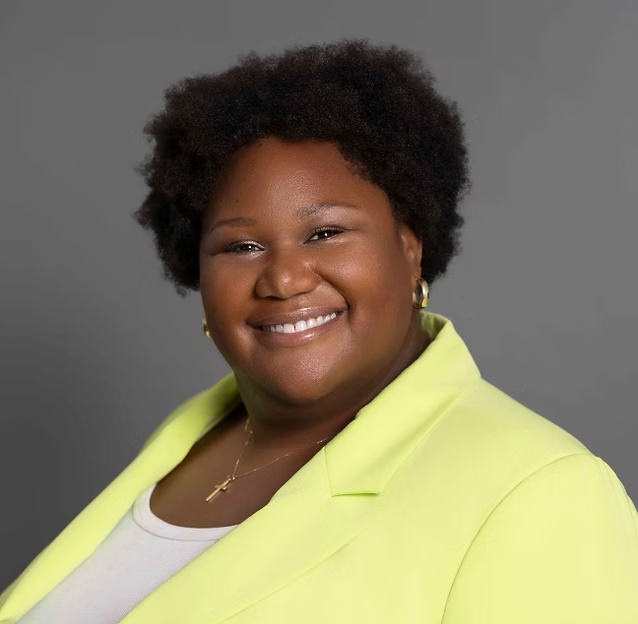
By: Venee Galloway, CPCU, CBIA, CLCS, SBCS
Director of Commercial Insurance
Average Costs and Pricing Factors in Virginia
Virginia business owners typically pay between $400 and $1,500 annually for general liability insurance, though premiums vary significantly based on multiple factors. A low-risk consulting firm might pay at the lower end of this range, while a roofing contractor could pay substantially more due to elevated risk exposures.
Industry Risk Profiles and Premium Variations
Insurance carriers assign classification codes to different business types based on historical claims data and inherent risk levels. The following table illustrates how industry affects premium expectations:
| Industry Type | Annual Premium Range | Risk Level |
|---|---|---|
| Professional Services | $400 - $700 | Low |
| Retail Stores | $500 - $900 | Low-Medium |
| Restaurants | $700 - $1,200 | Medium |
| General Contractors | $1,000 - $2,500 | Medium-High |
| Security Measures | $2,000 - $5,000+ | High |
Construction trades, manufacturing operations, and businesses involving physical labor consistently pay higher premiums than office-based professional services. Your specific operations, safety practices, and claims history also influence your final rate.
How Business Size and Location Affect Rates
Larger businesses with more employees, higher revenues, and greater customer traffic face increased exposure and correspondingly higher premiums. A retail store generating $2 million in annual sales pays more than a similar store with $200,000 in revenue. Employee count matters because more workers mean more opportunities for accidents and claims.
Geographic location within Virginia also affects pricing. Businesses in densely populated Northern Virginia often pay higher premiums than those in rural areas due to increased litigation rates and higher medical costs. ABP Insurance Agency, Inc. works with multiple carriers to find competitive rates regardless of your Virginia location, and our multilingual agents can explain these factors in nine different languages.
Determining Your Ideal Coverage Limits
Selecting appropriate coverage limits requires balancing adequate protection against premium costs. Underinsuring your business creates dangerous coverage gaps, while overinsuring wastes money on unnecessary protection.
Standard vs. High-Risk Policy Limits
Most Virginia businesses start with a standard policy providing $1,000,000 per occurrence and $2,000,000 aggregate limits. The per-occurrence limit caps what your insurer pays for any single claim, while the aggregate limit caps total payments during your policy period.
| Coverage Level | Per Occurrence | Aggregate | Best For |
|---|---|---|---|
| Basic | $500,000 | $1,000,000 | Home-based, low-risk |
| Standard | $1,000,000 | $2,000,000 | Most small businesses |
| Enhanced | $2,000,000 | $4,000,000 | Contractors, higher risk |
| Commercial UmbrellaGeneral Contractors | $1M - $10M+ | Additional layer | Large contracts, significant assets |
Businesses with substantial assets, high-value contracts, or elevated risk profiles should consider higher limits or commercial umbrella policies that provide additional protection above primary coverage limits.
Deductibles and Out-of-Pocket Expenses
Your deductible represents the amount you pay before insurance coverage begins. Higher deductibles reduce premium costs but increase your out-of-pocket exposure when claims occur. Most general liability policies feature relatively low deductibles, often between $500 and $2,500, though some policies have no deductible at all.
Selecting an appropriate deductible depends on your cash flow and risk tolerance. A business with strong reserves might choose a higher deductible to reduce premiums, while a startup with limited capital might prefer paying more in premiums to minimize claim-time expenses.

Common Exclusions and Supplemental Policies
General liability insurance does not cover every risk your business faces. Understanding these exclusions helps you identify coverage gaps that require additional policies.
Standard exclusions include intentional acts, employee injuries, professional errors, auto accidents, and pollution-related claims. Your policy will not respond if you deliberately cause harm, if an employee is injured on the job, or if a client sues over faulty professional advice. These risks require separate coverage through workers compensation, professional liability, commercial auto, and environmental liability policies.
Professional Liability vs. General Liability
Many business owners confuse these two distinct coverage types. General liability covers physical injuries and property damage, while professional liability protects against claims arising from errors, omissions, or negligence in your professional services. A consultant whose advice leads to client financial losses, an architect whose design contains flaws, or an accountant who makes calculation errors would need professional liability coverage.
Businesses providing professional advice or specialized services typically need both coverage types working together.
Bundling with a Business Owner's Policy (BOP)
A Business Owner's Policy combines general liability insurance with commercial property coverage and often includes business interruption protection. This bundled approach typically costs less than purchasing each coverage separately and simplifies policy management.
BOPs work well for small to medium-sized businesses with standard risk profiles. ABP Insurance Agency, Inc. can help you compare standalone general liability policies against BOP options to determine which approach provides better value for your specific situation.
How to Secure and Manage Your Virginia Policy
Obtaining appropriate coverage requires gathering information about your operations, comparing quotes from multiple carriers, and reviewing policy terms carefully before binding coverage. Prepare details about your business revenue, employee count, operations, and claims history before requesting quotes.
Working with an independent insurance agency provides access to multiple carriers and policy options, allowing you to compare coverage and pricing rather than accepting whatever a single carrier offers. Review your policy annually to ensure coverage limits remain appropriate as your business grows and evolves.
Frequently Asked Questions
How quickly can I get a general liability policy in Virginia? Most policies can be bound within 24 to 48 hours once you provide necessary business information and complete the application process.
Does general liability cover employee injuries? No, employee injuries are covered by workers compensation insurance, which is a separate and distinct policy from general liability coverage.
Can I get coverage if I work from home? Yes, home-based businesses can and should obtain general liability coverage, as homeowners insurance typically excludes business-related claims.
What happens if my claim exceeds policy limits? You become personally responsible for amounts exceeding your coverage limits, which is why adequate limit selection matters significantly.
Do I need general liability if I have professional liability? These coverages protect against different risks, and most service businesses benefit from maintaining both policy types simultaneously.
Making the Right Choice for Your Business
Securing proper general liability insurance in Virginia protects your business assets, satisfies contractual requirements, and provides peace of mind as you focus on growing your operations. The right coverage depends on your industry, business size, contractual obligations, and risk tolerance.
Taking time to understand your coverage options, compare quotes from multiple carriers, and select appropriate limits ensures you receive protection that matches your actual needs. If you are ready to explore your options,
request a free quote from ABP Insurance Agency, Inc. to speak with a multilingual agent who can help you find the right coverage at competitive rates.
Our Reviews
Trusted Advice, Proven Results
See what our clients have to say about their experience working with us, or share feedback about your experience.

PERSONAL INSURANCE
Protect What Matters Most
Home, auto, and life coverage at competitive rates from 25+ carriers.
Home Insurance
Covers your home and belongings from events like fire, theft, or storms. Ensures peace of mind with clear, reliable coverage for houses, condos, apartments, and rentals
Auto Insurance
Covers vehicle repairs, liability, and medical costs from accidents. Protects you and your car with easy-to-understand policies that meet Virginia requirements.
Umbrella Insurance
Provides extra liability coverage beyond home and auto policies. Adds protection for unexpected situations that exceed your standard policy limits.
Renters Insurance
Covers your personal belongings and provides liability protection if you rent your home. Replaces items damaged by fire, theft, or water at a low monthly cost.
Condo Insurance
Fills the coverage gaps your HOA master policy leaves open. Protects your unit's interior, personal property, and liability from covered losses.
Classic & Specialty Vehicles
Coverage for classic cars, motorcycles, ATVs, boats, and RVs. We partner with specialty carriers like Hagerty to protect vehicles that standard auto policies do not cover.
BUSINESS INSURANCE
Secure What You've Built
Coverage solutions for growing companies backed by decades of commercial experience.






INDUSTRIES WE SERVE
Virginia's Businesses We Protect
Insurance solutions to help Virginia businesses protect their assets, employees, and operations.



FAQs
Your Questions, Answered
Explore our FAQs to get answers to some of the most common questions about our insurance solutions and services.
What languages do your agents speak?
We have agents who are fluent in Spanish, Vietnamese, Mandarin, Cantonese, Korean, Hindi, Urdu, and Punjabi. If you prefer a language other than English, just let us know!
Who do you typically work with?
We work with clients at all stages of life—from young professionals and growing families to high-net-worth individuals and retirees. We work with both small and large companies. No matter where you are on your journey, we can provide insurance solutions that align with your needs.
How do I get started?
It’s easy! Simply click here to get started. From there you will be able to seamlessly transfer your current coverage information to us or answer a few questions and one of our agents will be in touch.
How do you charge for your services?
We never charge fees for our service. As independent agents, we are paid by the insurance company after the policies you select are issued. Our compensation is a small percentage of the policy premium.
What makes ABP Insurance different from other insurance providers?
ABP Insurance is an independent agency. We work with over 25 insurance carriers to find the best coverage and rates for your needs. We do not represent a single company — we represent you. Our team also speaks nine languages, making us one of the most accessible agencies in Northern Virginia. We combine modern technology with personal service so clients get fast quotes, clear explanations, and ongoing support throughout their policy term.
What areas does ABP Insurance serve?
Our office is in Falls Church, Virginia, and we serve clients throughout Northern Virginia, the greater D.C. metro area, and beyond. We currently write policies in Virginia, Maryland, Washington D.C., Massachusetts, New Hampshire, Maine, Georgia, Texas, and North Carolina. Because we work with many of the largest national carriers, we can often help clients who own property in multiple states or who are relocating.
Contact Us
Phone Number:
703-846-0558
Email Address:
info@abpinsurance.com
Located at: 8315 US-29 Ste 215, Fairfax, VA 22031, United States
In-Person by Appointment Only