
A single slip-and-fall on a wet floor, an allergic reaction during snack time, or a parent alleging negligent supervision: these are the types of incidents that can financially devastate a child care operation in a matter of weeks. For daycare providers across Virginia, the right insurance coverage is not a luxury but a condition of doing business. Liability coverage for child care providers in Virginia has grown more complex and more expensive in recent years, with roughly
25% of child care organizations reporting premium increases of 300% to 1,000% over a short span. Those numbers are not abstract; they represent real budget pressure on centers from Fairfax to Virginia Beach. Whether you operate a licensed facility serving 100 children or a family daycare out of your home, understanding what your policy covers, what it excludes, and where gaps may leave you exposed is essential. This guide breaks down the specific insurance requirements, policy types, and practical decisions Virginia child care providers face in 2026, so you can protect your business, your staff, and the families who trust you with their children.
Understanding Virginia's Daycare Insurance Landscape
Virginia regulates child care facilities through a framework that ties licensing directly to insurance obligations. The state expects providers to carry adequate coverage not only as a business best practice but as a legal prerequisite for maintaining a license. Because the regulatory environment has shifted in recent years, providers should be aware of both the baseline requirements and the distinctions that affect how policies are structured and priced.
State Licensing Requirements for Child Care Providers
Virginia law requires any person or entity operating a child care program to obtain a license from the Virginia Department of Education, and the statutory framework under Virginia Code § 22.1-289.050 sets out specific conditions for licensure. Among those conditions, providers must demonstrate proof of liability insurance before a license is granted or renewed. The minimum coverage amount typically starts at $500,000 per occurrence for general liability, though many carriers and landlords require $1 million. Virginia's updated child care regulations for 2026 also place greater emphasis on staff training documentation and facility safety standards, both of which can influence your underwriting and premium calculations. Failing to maintain continuous coverage can result in license suspension, which means your doors close until the gap is resolved.
The Difference Between Licensed and Unlicensed Coverage
Licensed centers and family daycare homes are subject to state inspection and must meet specific insurance thresholds. Unlicensed home-based providers caring for fewer children may not be required to hold a state license, but that does not mean they are free from liability exposure. A
homeowner's insurance policy almost never covers injuries or claims arising from a business activity conducted in the home. If you operate an informal daycare arrangement without a commercial policy, you are personally exposed to lawsuits, medical bills, and property damage claims with no insurer standing behind you. The distinction matters: licensed providers generally have clearer access to commercial policies designed for child care, while unlicensed providers may need to seek specialized endorsements or standalone policies to fill the coverage void.

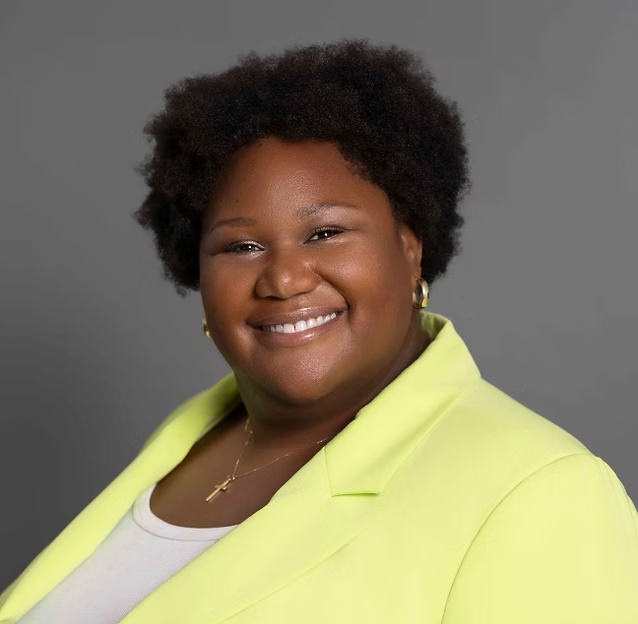
By: Venee Galloway, CPCU, CBIA, CLCS, SBCS
Director of Commercial Insurance
Core Liability Policies Every Provider Needs
Liability insurance for Virginia daycares is not a single product but a combination of policies tailored to the specific risks child care operations face. Understanding what each layer covers, and where one policy ends and another begins, helps you avoid costly gaps.
General Liability vs. Professional Liability
General liability (GL) covers bodily injury and property damage claims that arise from your operations or premises. If a child trips over a toy and breaks an arm, or a parent slips on an icy walkway outside your facility, GL responds to those claims. Professional liability, sometimes called
errors and omissions (E&O) coverage, addresses claims stemming from your professional judgment or failure to act: allegations that you did not follow a care plan, failed to administer medication properly, or provided inadequate supervision during an activity. Many providers assume their GL policy handles everything, but professional negligence claims fall outside its scope. A well-structured daycare insurance program in Virginia pairs both policies together.
| Coverage Type | What It Covers | What It Does Not Cover |
|---|---|---|
| General Liability | Bodily injury, property damage, personal injury on premises | Professional errors, employee injuries, vehicle accidents |
| Professional Liability | Negligent supervision, failure to follow care protocols, curriculum-related claims | Slip-and-fall injuries, third-party property damage |
Abuse and Molestation Coverage Specifics
This is one of the most sensitive and most critical components of a child care insurance program. Abuse and molestation (A&M) coverage pays for defense costs and settlements arising from allegations of sexual or physical abuse by staff, volunteers, or other individuals connected to your facility. Standard GL policies almost always exclude these claims entirely, or sub-limit them to amounts that would be insufficient in a real case. Virginia courts have seen settlements in abuse cases that exceed $1 million, so providers should carry A&M limits of at least $1 million per occurrence with a separate aggregate. Insurers will scrutinize your hiring practices, background check procedures, and supervision protocols before offering this coverage, so maintaining thorough documentation is both a risk management and an underwriting priority.
Medical Payments for Accidental Injuries
Medical payments coverage, often called MedPay, pays for minor medical expenses when a child or visitor is injured at your facility, regardless of who is at fault. This coverage typically ranges from $5,000 to $25,000 per person and is designed to handle small claims quickly, before they escalate into lawsuits. If a toddler bumps their head on a table corner and needs stitches, MedPay covers the emergency room bill without requiring the parent to file a liability claim. It functions as a goodwill mechanism that keeps minor incidents from becoming adversarial disputes, and it is a standard inclusion in most
daycare insurance packages.
Comparing Coverage: Basic vs. Comprehensive Protection
Not all policies are created equal, and the gap between a basic plan and a comprehensive one can leave you dangerously exposed. A basic policy might include only general liability with low limits and no A&M coverage, while a comprehensive program bundles GL, professional liability, A&M, MedPay, and often hired/non-owned auto coverage into a single package with higher limits.
| Feature | Basic Plan | Comprehensive Plan |
|---|---|---|
| General Liability Limit | $500,000/$1,000,000 | $1,000,000/$2,000,000 |
| Professional Liability | Not included | Included |
| Abuse & Molestation | Excluded or sub-limited | $1,000,000 per occurrence |
| MedPay | $5,000 per person | $10,000-$25,000 per person |
| Hired/Non-Owned Auto | Not included | Included |
| Annual Premium Range | $800-$1,500 | $2,500-$6,000+ |
The price difference between basic and comprehensive coverage might seem significant, but a single uninsured claim can cost far more than years of
premium payments. Providers who compare quotes from multiple carriers often find that the incremental cost of broader protection is smaller than expected, especially when an independent agency shops the market on their behalf. ABP Insurance Agency, Inc., for example, compares policies from over 25 carriers to find coverage that fits a provider's specific risk profile and budget, an advantage that captive agencies tied to a single insurer simply cannot offer.

Protecting Your Physical Assets and Staff
Liability coverage protects you from claims by others, but your own property, employees, and vehicles need separate protection. Virginia child care providers should treat these coverages as essential components of a complete insurance program.
Commercial Property and Business Personal Property
Your building, furniture, playground equipment, computers, and curriculum materials all represent significant financial investment. Commercial property insurance covers damage or loss from fire, storms, vandalism, and other covered perils. Business personal property (BPP) coverage extends to items you own that are used in your operations, even if you lease the building itself. If a pipe bursts overnight and destroys $30,000 worth of furniture and educational supplies, BPP responds to that loss. Providers in flood-prone areas near waterways like Four Mile Run or the Potomac should also consider separate flood insurance, since standard commercial property policies exclude flood damage.
Virginia Workers' Compensation Rules for Daycares
Virginia law mandates workers' compensation insurance for any business with three or more employees, and most daycare centers exceed that threshold quickly. Workers' comp covers medical expenses, lost wages, and rehabilitation costs for employees injured on the job. A teacher who injures her back lifting a child, or a cook who suffers a burn in the kitchen, would file a workers' compensation claim rather than suing you directly. Failing to carry this coverage exposes you to personal liability for workplace injuries and can result in fines from the Virginia Workers' Compensation Commission. The underwriting process typically involves a five-to-seven-year claims history review, so maintaining a safe workplace directly affects your premiums over time.
Commercial Auto and Non-Owned Transportation Coverage
If your daycare owns or leases vehicles for field trips or transportation, commercial auto insurance is required. Virginia auto insurance minimums stand at 50/100/25 as of January 2025, meaning $50,000 per person and $100,000 per accident for bodily injury, plus $25,000 for property damage. UM/UIM coverage is also required under Virginia law. That said, many providers do not own vehicles but occasionally use staff members' personal cars for errands or transport. Hired and non-owned auto coverage fills that gap, protecting your business if an employee causes an accident while driving their own vehicle on company business. This coverage is inexpensive relative to the exposure it addresses and should be part of any comprehensive child care insurance program.
Common Questions About Virginia Child Care Insurance
How much does daycare insurance cost in Virginia? Premiums vary based on enrollment capacity, location, claims history, and coverage limits. A small family daycare home might pay $800 to $1,500 annually for basic coverage, while a larger center with 50 or more children could pay $3,000 to $6,000 or more for comprehensive protection.
Do I need insurance if I only watch a few children in my home? Yes. Your homeowner's policy will not cover claims related to a child care business. Even informal arrangements expose you to liability, and a standalone daycare policy or an in-home business endorsement is strongly recommended.
What happens if my insurance lapses? Virginia can suspend or revoke your child care license if you fail to maintain continuous liability coverage. You may also lose your lease if your landlord requires proof of insurance as a condition of occupancy.
Does my policy cover field trips? Standard GL policies cover off-premises activities, but transportation-related claims require commercial auto or hired/non-owned auto coverage. Confirm with your agent that field trip activities are not excluded.
Can I bundle my daycare insurance with other policies? Many carriers offer business owner's policies (BOPs) that bundle GL, property, and business income coverage at a lower combined premium than purchasing each separately. Professional liability and A&M coverage are typically added as separate endorsements or standalone policies.
Are background checks required to get abuse and molestation coverage? Most insurers require documented background checks for all staff and volunteers as a condition of providing A&M coverage. Virginia licensing regulations reinforce this requirement independently.
Making the Right Choice for Your Center
Selecting the right insurance program for your Virginia daycare is a decision that affects every aspect of your operation, from licensing compliance to financial stability to the trust parents place in your care. The core priorities are clear: carry adequate general and professional liability limits, do not skip abuse and molestation coverage, maintain workers' compensation as required by Virginia law, and protect your physical assets with commercial property insurance. Comparing quotes across multiple carriers is the most reliable way to find coverage that balances protection with affordability.
If you are unsure where your current policy has gaps, or if you are opening a new child care facility and need to build a program from scratch, working with an independent agency that understands Virginia's regulatory environment can save you both time and money. ABP Insurance Agency, Inc., based in Fairfax, serves providers in nine languages and has earned over 120 five-star Google reviews for its client-first approach.
Get in touch with one of their multilingual agents to review your coverage needs and receive a no-obligation quote tailored to your child care operation.
Our Reviews
Trusted Advice, Proven Results
See what our clients have to say about their experience working with us, or share feedback about your experience.

PERSONAL INSURANCE
Protect What Matters Most
Home, auto, and life coverage at competitive rates from 25+ carriers.
Home Insurance
Covers your home and belongings from events like fire, theft, or storms. Ensures peace of mind with clear, reliable coverage for houses, condos, apartments, and rentals
Auto Insurance
Covers vehicle repairs, liability, and medical costs from accidents. Protects you and your car with easy-to-understand policies that meet Virginia requirements.
Umbrella Insurance
Provides extra liability coverage beyond home and auto policies. Adds protection for unexpected situations that exceed your standard policy limits.
Renters Insurance
Covers your personal belongings and provides liability protection if you rent your home. Replaces items damaged by fire, theft, or water at a low monthly cost.
Condo Insurance
Fills the coverage gaps your HOA master policy leaves open. Protects your unit's interior, personal property, and liability from covered losses.
Classic & Specialty Vehicles
Coverage for classic cars, motorcycles, ATVs, boats, and RVs. We partner with specialty carriers like Hagerty to protect vehicles that standard auto policies do not cover.
BUSINESS INSURANCE
Secure What You've Built
Coverage solutions for growing companies backed by decades of commercial experience.






INDUSTRIES WE SERVE
Virginia's Businesses We Protect
Insurance solutions to help Virginia businesses protect their assets, employees, and operations.



FAQs
Your Questions, Answered
Explore our FAQs to get answers to some of the most common questions about our insurance solutions and services.
What languages do your agents speak?
We have agents who are fluent in Spanish, Vietnamese, Mandarin, Cantonese, Korean, Hindi, Urdu, and Punjabi. If you prefer a language other than English, just let us know!
Who do you typically work with?
We work with clients at all stages of life—from young professionals and growing families to high-net-worth individuals and retirees. We work with both small and large companies. No matter where you are on your journey, we can provide insurance solutions that align with your needs.
How do I get started?
It’s easy! Simply click here to get started. From there you will be able to seamlessly transfer your current coverage information to us or answer a few questions and one of our agents will be in touch.
How do you charge for your services?
We never charge fees for our service. As independent agents, we are paid by the insurance company after the policies you select are issued. Our compensation is a small percentage of the policy premium.
What makes ABP Insurance different from other insurance providers?
ABP Insurance is an independent agency. We work with over 25 insurance carriers to find the best coverage and rates for your needs. We do not represent a single company — we represent you. Our team also speaks nine languages, making us one of the most accessible agencies in Northern Virginia. We combine modern technology with personal service so clients get fast quotes, clear explanations, and ongoing support throughout their policy term.
What areas does ABP Insurance serve?
Our office is in Falls Church, Virginia, and we serve clients throughout Northern Virginia, the greater D.C. metro area, and beyond. We currently write policies in Virginia, Maryland, Washington D.C., Massachusetts, New Hampshire, Maine, Georgia, Texas, and North Carolina. Because we work with many of the largest national carriers, we can often help clients who own property in multiple states or who are relocating.
Contact Us
Phone Number:
703-846-0558
Email Address:
info@abpinsurance.com
Located at: 8315 US-29 Ste 215, Fairfax, VA 22031, United States
In-Person by Appointment Only